
 Oil On CanvasWallArtRealism
 189919th Century
 64.0 x 80.0 cm
원하는 크기와 액자로 주문 제작되는, 작가들이 직접 캔버스에 손으로 그린 유화 작품입니다. ( 프린트 판매로 전환 디지털 이미지로 전환)





























작품의 원본 비율을 유지하는 미리 설정된 크기 중에서 선택하세요.

특정 프레임이나 공간에 맞도록 직접 크기를 입력할 수 있습니다. 선택하신 크기가 원본 이미지의 비율과 일치하지 않는 경우, 작품을 자르거나 추가적인 손으로 그린 요소를 사용하여 그림을 확장합니다. 제작 시작 전 승인을 위해 디지털 목업을 보내드립니다.
화면 미리 보기는 실제 자르기 또는 확장을 반영하지 않습니다. 최종 구성은 목업을 통해서만 정확하게 확인하실 수 있습니다.
맞춤 크기 제작도 가능하지만, 원본 비율을 유지하기 위해 사전 정의된 목록에서 크기를 선택하시는 것을 권장합니다.

An Interior in Venice
복제본 크기
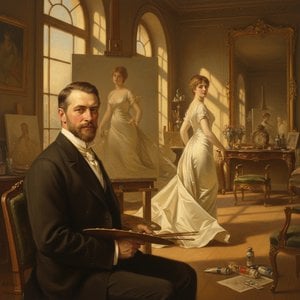
To step before John Singer Sargent’s An Interior in Venice is to be instantly transported to the twilight of the nineteenth century, where the air is thick with the scent of old grandeur and the soft murmur of aristocratic conversation. Completed in 1899, this masterpiece serves as a breathtaking window into the opulent world of the Edwardian era. Set within the magnificent Palazzo Barbaro, the painting captures a moment of quiet, refined elegance that feels both intimate and monumental. Sargent, an American expatriate who moved through the highest circles of European society with effortless grace, does not merely depict a room; he captures a way of life. The scene features the American expatriates Daniel and Ariana Curtis alongside their son Ralph and his wife Lisa, frozen in a state of timeless sophistication amidst the shimmering light of their Venetian home.
The composition is a masterclass in balance, where the weight of history meets the lightness of a fleeting moment. As your eyes wander through the grand salon, you encounter the delicate interplay of figures and architecture. The presence of a suitcase resting near the floor hints at a recent arrival, adding a subtle narrative layer of movement and transition to an otherwise still scene. This touch of realism prevents the painting from feeling like a static museum piece, instead inviting the viewer to imagine the rustle of silk, the clink of crystal, and the unfolding stories of those gathered under the glow of magnificent chandeliers.
Technically, An Interior in Venice represents a sublime intersection of Impressionist spontaneity and classical discipline. While Sargent was deeply influenced by the Impressionist movement's obsession with light, he eschewed their often fragmented approach in favor of a more structured, tonal brilliance. He employed a sophisticated layering process, applying thin, translucent glazes over thicker underpaintings to achieve a luminous depth that seems to radiate from within the canvas itself. This technique allows for an extraordinary rendering of textures; one can almost feel the velvety weight of the drapery and the cold, sharp brilliance of the chandelier's crystal pendants.
The artist’s use of light is nothing short of transformative. He manipulates illumination to sculpt form, using shadow not merely as an absence of light, but as a tool to create volume and psychological depth. The monochrome-leaning palette, though rich in tonal variation, focuses the viewer's attention on the play of highlights across surfaces—the sheen of a satin gown, the polished wood of a dining table, or the soft glow reflecting off a porcelain surface. For the discerning collector or interior designer, this mastery of light offers a profound sense of atmosphere, making the work an ideal centerpiece for spaces that demand a touch of dramatic, sophisticated luminosity.
Beyond its technical prowess, the painting resonates with a deep emotional and symbolic resonance. It stands as a tribute to the Belle Époque, a period of peace and unprecedented artistic achievement. The work evokes a sense of nostalgia for a lost era of grace, making it more than just a decorative object; it is an emotional anchor. For those looking to curate a space with character and historical weight, a high-quality reproduction of this Sargent masterpiece provides an unparalleled opportunity to introduce a sense of "old world" luxury into a contemporary setting.
Whether placed in a grand library, a formal dining room, or a curated gallery wall, An Interior in Venice brings with it the prestige of the Royal Academy of Arts. It serves as a conversation piece that bridges the gap between the historical past and modern aesthetic sensibilities. To possess such an image is to invite the spirit of Venice—its light, its mystery, and its enduring elegance—into one's own private sanctuary.


1856 - 1925 , 이탈리아

Elevate your luxury lifestyle with bespoke high-realism oil commissions from WahooArt. Transform your yacht, estate, or classic car into a timeless masterpiece through expert craftsmanship and academic rigor. Discover the ultimate investment in personal legacy and fine art excellence.
Discover the luminous mastery of John Singer Sargent. Explore an expert analysis of his legendary light, Gilded Age elegance, and technical brilliance, perfect for fine art enthusiasts seeking to bring timeless classical beauty into their modern collections.

Discover the profound allure of oil on canvas. Explore the mastery of impasto textures, the science of pigment longevity, and expert guides to selecting museum-quality reproductions that elevate your collection with timeless elegance and tactile depth.

Discover the ultimate guide to gifting prestige with bespoke oil reproductions. Elevate your collection with hand-painted masterpieces, custom period shifts, and museum-quality artistry designed for the discerning connoisseur seeking timeless luxury.

Discover the breathtaking elegance of John Singer Sargent's masterpieces. From iconic Gilded Age portraits to impressionistic landscapes, explore the technical brilliance and timeless allure of this American master through our premium, hand-painted fine art reproductions.


 미리보기
미리보기
 공유하기
공유하기 공유하기
공유하기
 상세 정보
상세 정보

 다운로드
다운로드
 유사 작품
유사 작품 X-레이
X-레이 슬라이드 쇼
 통계 정보
통계 정보 더 보기
더 보기









 유리 옵션은 110cm 미만 크기에서만 선택 가능합니다.


