

빠른 제작과 다양한 마감 옵션을 제공하는 박물관 수준의 지클레이 및 캔버스 프린트. ( 수작업 채색 복제본 주문하기 디지털 이미지로 전환)





























작품의 원본 비율을 그대로 유지하는 프리셋 사이즈 중에서 선택해 보세요.

액자나 벽면 크기에 맞춰 필요한 가로와 세로 길이를 입력해 주세요. 프린트는 원본 이미지보다 크게 제작할 수 없으며 오직 자르는 것만 가능하므로, 비율이 다른 사이즈를 선택할 경우 이미지의 일부가 잘려 나갈 수 있습니다. 인쇄 작업에 들어가기 전, 최종 확인을 위해 디지털 목업을 보내드립니다. 이 페이지에 표시된 이미지는 실제 잘리는 영역을 나타내지 않으며, 오직 목업을 통해서만 정확한 확인이 가능합니다.
Faith
복제본 크기
John Phillip’s “Faith,” painted in 1864, isn't merely a portrait; it’s a carefully constructed tableau of piety and domestic tranquility, steeped in the cultural currents of late Victorian Scotland. The painting depicts a woman, likely a member of the Scottish upper-middle class, enveloped in a quiet moment of prayer or contemplation. Her posture is graceful yet grounded, her hands clasped gently before her chest – a gesture universally understood as signifying reverence. The muted palette—dominated by earthy browns, soft greens, and subtle blues—evokes a sense of warmth and domesticity, while the carefully rendered fabrics and modest jewelry speak to a life of quiet dignity. Beyond the immediate subject, the inclusion of two figures on either side adds layers of narrative; one appears to be reading, perhaps offering guidance or support, while the other seems absorbed in conversation, suggesting a community bound by shared faith.
Phillip’s style is deeply rooted in the artistic traditions he studied at the Royal Academy and, crucially, his association with the influential “Clique” of Victorian artists. This group, led by Richard Dadd, championed the works of William Hogarth and David Wilkie, seeking to capture the spirit of realism and dramatic storytelling. However, Phillip’s work transcends mere imitation; he infused these influences with a distinctly Scottish sensibility, evident in his meticulous attention to detail—the texture of the woman's shawl, the subtle play of light on her face, the architectural backdrop hinting at a modest church. The composition itself is carefully balanced, drawing the eye inward towards the central figure and creating a sense of intimate serenity.
It’s important to understand that “Faith” emerged from John Phillip's transformative journey to Spain in 1851. He was deeply moved by the religious fervor he witnessed there, particularly within the Catholic communities. This experience profoundly altered his artistic perspective, leading him to dedicate much of his later work to depicting Spanish life and culture – a period that earned him the affectionate moniker “Spanish Phillip.” The painting reflects this newfound inspiration; the subtle warmth of the lighting, reminiscent of the Spanish sun, and the overall atmosphere of quiet devotion are hallmarks of his Spanish-influenced style. The inclusion of elements like the rosary beads and the implied presence of a church subtly allude to the religious context of the scene.
Phillip’s background as a member of the Clique also shaped his artistic approach. The group's admiration for Hogarth, known for his satirical social commentary, is evident in the painting’s ability to subtly convey a sense of moral virtue and domestic harmony. However, Phillip’s work goes beyond mere social critique; it offers a poignant glimpse into the private world of faith—a realm of quiet contemplation and spiritual connection.
The symbolism within “Faith” is both subtle and profound. The woman's closed eyes suggest a deep level of concentration, inviting the viewer to share in her moment of prayer or reflection. The simple setting—a modestly furnished room—underscores the importance of faith as an internal experience rather than an outward display of wealth or status. The two figures flanking the central subject represent the community that supports and nurtures this individual’s spiritual journey, highlighting the interconnectedness of faith within a domestic sphere.
More broadly, “Faith” speaks to the enduring human need for connection—to God, to family, and to one another. The painting's quiet dignity and serene atmosphere evoke a sense of peace and tranquility, offering a respite from the complexities of modern life. It’s a testament to the power of faith to provide solace, guidance, and a profound sense of belonging.
Reproducing “Faith” in high quality offers a beautiful way to bring this evocative Victorian painting into your home or office. The meticulous detail and rich colors of the original are faithfully captured in our hand-painted reproductions, ensuring that you experience the full emotional impact of Phillip’s masterpiece. Whether displayed as a statement piece in a living room or a calming addition to a study, “Faith” will serve as a timeless reminder of the enduring power of devotion and human connection.
"Faith"은(는) Recognized 등급의 작품입니다.
"Faith"은(는) 존 필립의 다른 작품들과 마찬가지로 Victorian Scottish Painting 양식과 더불어 작가의 반복되는 주제인 spanish realism, hogarth, wilkie, scottish piety, religious themes, victorian social commentary, faith, portraiture를 공유합니다.
"Faith"은(는) 1864년 Victorian Scottish Painting 사조의 흐름 속에서 제작되었습니다.

1817년 스코틀랜드 애버딘의 거친 자연 속에서 태어난 존 필립은 훗날 자신의 미천한 시작을 초월하여 빅토리아 시대에서 가장 감동적인 목소리를 내는 예술가 중 한 명이 되었습니다. "스페인의 필립(Spanish Phillip)"이라는 애칭으로 사랑받았던 그의 여정은 심오한 변화의 과정이었습니다. 스코틀랜드 농촌 생활에 대한 세밀하고 침울한 묘사에서 시작하여, 점차 햇살이 가득한 남유럽의 활기찬 캔버스로 나아갔기 때문입니다. 그의 유년기는 영향력 있는 후원자들의 눈길을 사로잡은 천부적인 재능으로 점철되었으며, 특히 팬뮤어 경의 관대한 후원은 존 필립이 1836년 런던 왕립 예술 아카데미에 입성할 수 있는 결정적인 가교가 되었습니다. 이 권위 있는 기관에서 존 필립은 자신의 예술적 동료들을 만났고, 더 클리크(The Clique)라고 알려진 영향력 있는 그룹에 합류했습니다. 괴짜 리처드 대드가 이끌던 이 예술가 집단은 윌리엄 호가스의 서사적 사실주의와 데이비드 위클리의 극적인 풍경에 대해 깊은 경외심을 공유했으며, 이러한 원칙들은 존 필립의 초기 기술적 숙련도를 형성하는 근간이 되었습니다.
형성기 시절, 존 필립의 붓끝은 스코틀랜드 사람들의 존엄성과 고난에 헌신되어 있었습니다. 그는 고향의 영혼을 울리는 정밀함으로 소작농들의 고요하면서도 때로는 고된 삶을 포착해 냈습니다. 이러한 초기 작품들은 세밀한 디테일과 경건한 가정적 분위기가 특징이었으며, 이는 빅토리아 시대 후기 스코틀랜드의 문화적 흐름을 반영했습니다. 그러나 1851년, 건강을 위해 더 따뜻한 기후를 찾아야 한다는 의사의 권고로 인해 중대한 전환점이 찾아왔습니다. 스페인으로의 이 여정은 단순한 요양 여행이 아닌 예술적 재탄생이었습니다. 그가 세비야와 마드리드의 거리를 거닐 때, 스코틀랜드의 그림자는 안달루시아의 찬란한 빛으로 대체되었습니다. 스페인의 거장 바르톨로 타마요, 바르톨로메 에스테반 무리요, 그리고 디에고 벨라스케스의 영향이 그의 작품에 스며들기 시작했고, 이는 그의 색채와 형태에 대한 접근 방식을 근본적으로 변화시켰습니다.
세밀하고 거의 다큐멘터리에 가까웠던 스코틀랜드 시절의 스타일에서 훨씬 더 넓고 회화적인 기법으로의 전환은 존 필립의 경력에서 가장 매혹적인 진화를 보여줍니다. 초기에는 태동하던 라파엘 전파 운동에 저항하기도 했으나, 세비야의 편지 쓰는 사람(The Letter Writer, Seville)과 같은 그의 후기 작품들은 그들의 빛나는 특성과 미묘하게 교감하기 시작했습니다. 여행을 통해 스페인의 정신과 더욱 깊이 연결됨에 따라, 그의 붓질은 존 에버렛 밀레이와 같은 동시대 예술가들의 후기 발전 양상을 반영하듯 더욱 자신감 있고 표현력이 풍부해졌습니다. 그는 경직된 윤곽선에서 벗어나 질감과 분위기를 탐구하는 방향으로 나아갔으며, 임파스토(impasto) 기법을 사용하여 스페인 풍경의 열기와 먼지를 포착해 냈습니다.
이러한 양식적 성숙은 1860년대에 정점에 달했으며, 이 시기 그의 구도는 더욱 웅장해지고 정서적인 울림을 주었습니다. 다음과 같은 요소들을 조화롭게 엮어내는 능력이 그의 성숙기를 정의했습니다:
1864년 작 무리요의 초기 경력(The Early Career of Murillo)과 1865년 작 라 글로리아(La Gloria)와 같은 주요 성취는 이 숙련된 시기를 증명하는 증거로 남아 있습니다. 이 작품들에서 존 필립은 단순히 대상을 그린 것이 아니라, 자신의 변모에 영감을 주었던 거장들에게 경의를 표하며 예술의 역사 그 자체를 그려냈습니다. 그의 유산은 스코틀랜드 풍속화의 침울한 전통과 지중해의 활기차고 빛나는 낭만주의 사이를 잇는 가교로서 남아 있습니다. 1867년 그의 삶은 비록 짧게 끝났지만, 존 필립은 북쪽의 회색 안개를 벗어나 그의 스페인적 꿈이 선사하는 영원하고 황금빛 찬란한 빛 속으로 관객을 초대하는, 끊임없이 매혹적인 작품들을 세상에 남겼습니다.

1817 - 1867 , 영국

Embark on a visual journey through the radiant sunlight of Joaquín Sorolla's masterpieces. Discover the brilliance of Spanish Impressionism and learn how to bring this luminous legacy into your home with museum-quality, hand-painted oil reproductions from WahooArt.

Embark on a sophisticated exploration of Spanish art history, from the chiaroscuro mastery of Velázquez to the profound shadows of Goya. Discover how the dramatic light and emotional depth of Spain's greatest masters continue to inspire collectors and connoisseurs today.
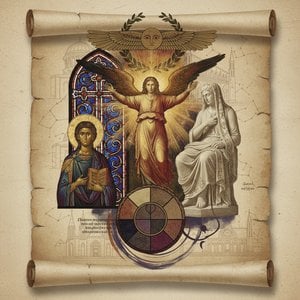
Explore the profound impact of spiritual themes in fine art. From Renaissance iconography to Baroque drama, discover how sacred symbolism and divine visions have shaped art history through a scholarly and reflective lens.

Uncover the hidden meanings behind 10 iconic masterpieces. From Surrealism to Renaissance, explore the stories, techniques, and deep symbolism of world-famous art. Find museum-quality reproductions and curated decor inspiration. Discover all masterpieces on WahooArt.com.

Immerse yourself in the profound legacy of Spanish Baroque art. From the spiritual intensity of Zurbarán to Goya’s emotive genius, explore museum-quality, hand-painted reproductions and bespoke commissions curated for the most discerning global collectors.
 미리보기

 공유하기
 공유하기
 상세 정보
 가이드 보기


 다운로드
 유사 작품 더 보기
 X-레이
 슬라이드 쇼 보기
 질의응답

 통계 정보


 더 보기









 유리 옵션은 110cm 미만 크기에서만 선택 가능합니다.


