

빠른 제작과 다양한 마감 옵션을 선택할 수 있는 박물관 수준의 지클레이 및 캔버스 프린트. ( 수작업 채색 복제본 주문하기 디지털 이미지 판매 채널로 전환)





























작품의 원본 비율을 그대로 유지하는 프리셋 사이즈 중에서 선택해 보세요.

액자나 벽면 크기에 맞춰 필요한 가로와 세로 길이를 입력해 주세요. 프린트는 원본 이미지보다 크게 제작할 수 없으며 오직 자르는 것만 가능하므로, 비율이 다른 사이즈를 선택할 경우 이미지의 일부가 잘려 나갈 수 있습니다. 인쇄 작업에 들어가기 전, 최종 확인을 위해 디지털 목업을 보내드립니다. 이 페이지에 표시된 이미지는 실제 잘리는 영역을 나타내지 않으며, 오직 목업을 통해서만 정확한 확인이 가능합니다.
Tuckered OUt
복제본 규격
John George Brown’s “Tuckered Out” (circa 1888) isn't merely a painting; it’s a distilled moment of quiet observation, a tenderly rendered study in Victorian childhood. The scene unfolds within a modestly furnished room – a blend of bedroom and living space – dominated by the figure of a young boy seated on a chair, his head resting heavily upon his hand. This posture, instantly recognizable and deeply affecting, speaks volumes about fatigue, perhaps even melancholy, yet it’s imbued with an undeniable charm.
Brown masterfully captures the essence of this youthful weariness through his meticulous technique. The brushstrokes are deliberate and controlled, creating a sense of solidity in the boy's form while simultaneously suggesting the softness of his skin and the weight of his exhaustion. Notice how he utilizes subtle gradations of light and shadow to define the boy’s face – the slight furrow of his brow, the closed eyelids hinting at slumber, and the delicate curve of his hand supporting his head. The muted palette—primarily browns, grays, and creams—further enhances the painting's somber yet comforting mood, evoking a sense of domestic tranquility tinged with quiet sadness.
To fully appreciate “Tuckered Out,” it’s crucial to understand the social context in which it was created. The late 19th century witnessed significant shifts within British society, particularly regarding childhood and family life. While industrialization brought prosperity to some, many families struggled with poverty and hardship. Children often worked long hours in factories or as street urchins, facing challenging conditions that profoundly impacted their well-being. Brown’s painting offers a rare glimpse into this reality, portraying not the idealized image of childhood often presented in art, but rather its more vulnerable and less romanticized aspects.
The scattered suitcases in the background are particularly telling. They suggest a journey – perhaps a temporary move or a return home after a period of travel. This detail adds another layer of complexity to the scene, hinting at the transient nature of Victorian life and the frequent dislocations experienced by families due to economic pressures. The boy’s attire—simple suspenders—underscores his youth and vulnerability, reinforcing the painting's poignant message.
Beyond its realistic depiction of a tired child, “Tuckered Out” is rich in symbolic meaning. The pose itself – head resting on hand – is a universal gesture of exhaustion and surrender, evoking empathy and compassion within the viewer. It’s a posture that speaks to the burdens carried by young shoulders, reminding us of the challenges faced by those less fortunate. The painting's quiet stillness invites contemplation, prompting viewers to reflect on themes of childhood innocence, poverty, and the complexities of human experience.
Furthermore, Brown’s choice of subject matter—a seemingly ordinary boy—elevates him to a position of universal significance. He represents all children who have known hardship or faced adversity, embodying the resilience and quiet dignity of those who persevere despite challenging circumstances. “Tuckered Out” is not simply a portrait; it's a meditation on the human condition, a testament to the enduring power of empathy, and a beautiful reminder of the fleeting nature of childhood.
Reproductions of "Tuckered Out" continue to resonate with audiences today, offering a poignant connection to the past. Its quiet beauty and emotional depth make it an ideal addition to any collection, serving as both a decorative piece and a thought-provoking work of art. Consider framing this evocative image in a warm wood or neutral tone to best complement its subdued palette, allowing its subtle nuances to shine through.
"Tuckered OUt"은(는) 증강 현실 미리보기를 제공합니다. 작품의 AR 미리보기 페이지를 통해 호환 가능한 기기에서 여러분의 공간에 배치된 작품을 확인해 보세요.
존 조지 브라운의 "Tuckered OUt"의 색채는 Strong Color Unity 조화를 보여줍니다. 조화란 색상들이 서로 어떻게 어우러지는지를 의미합니다.
존 조지 브라운의 "Tuckered OUt"에 관한 통계 정보는 작품의 통계 페이지에서 확인하실 수 있습니다: 해당 작품의 월간 방문 횟수, 작가 작품의 방문 횟수, 그리고 최근 방문자의 국가 및 언어별 상세 현황을 제공합니다.


1831 - 1913 , 영국
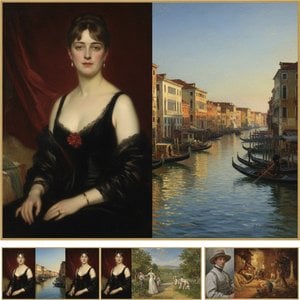
존 싱어 사전트의 대표작 25선을 만나보세요. 인상주의 초상화부터 빛과 색채가 아름다운 유화까지, 그의 예술 세계를 탐험하고 WahooArt에서 고품질 아트 프린트로 거실 장식을 완성하세요. 지금 온라인 컬렉션을 확인하세요!
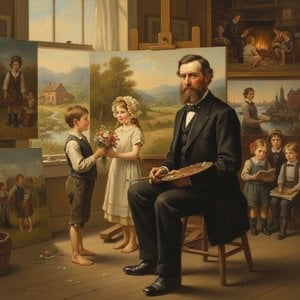
Explore the captivating genre paintings of John George Brown, celebrated for his realistic depictions of 19th-century American life. Discover his legacy & find museum-quality reproductions at WahooArt.

존 컨스터블 대표작 25선을 만나보세요. 영국 풍경화 거장의 자연주의 회화, 데담 밸리의 아름다움과 헤이 웨인의 정취를 담은 명화를 감상하세요. WahooArt에서 고품질 예술 작품 복제본을 소장하고 특별한 인테리어를 완성해보세요. 지금 바로 컬렉션을 탐험하세요!
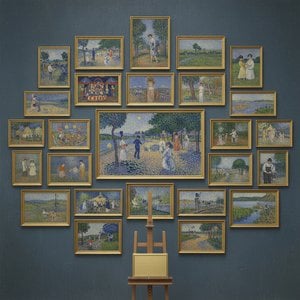
조르주 쇠라의 대표작 25선을 만나보세요. 점묘법의 혁신과 빛, 색채의 아름다움이 담긴 명작들을 감상하고, 인테리어에 예술적인 영감을 더하세요. WahooArt.com에서 고품질 미술 작품을 컬렉션해보세요.
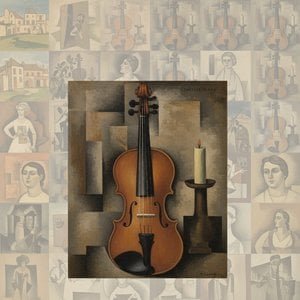
조르주 브라크의 시대를 초월한 25개의 걸작을 만나보세요. 입체주의를 개척한 프랑스 화가의 예술 세계와 숨겨진 이야기를 WahooArt에서 감상하고, 명작 유화 복제본으로 공간에 특별함을 더하세요. 지금 바로 컬렉션을 탐험하세요!

 실제 크기로 보기
 보내기
보내기 공유하기
공유하기
 상세 보기
상세 보기 가이드 보기

 이미지 다운로드
 유사 작품 더 보기
 X-레이
X-레이 슬라이드 쇼 보기
 Q&A
Q&A 통계 정보
통계 정보


 상세 보기
상세 보기









 유리 옵션은 110cm 미만 크기에서만 선택 가능합니다.


