빠른 제작과 다양한 마감 옵션을 선택할 수 있는 박물관 수준의 지클레이 및 캔버스 프린트. ( 수작업 채색 복제본 주문하기 디지털 이미지 판매 채널로 전환)
작품의 원본 비율을 그대로 유지하는 프리셋 사이즈 중에서 선택해 보세요.

특정 프레임이나 공간에 맞춰 직접 치수를 입력하실 수 있습니다. 선택하신 사이즈가 원본 이미지의 비율과 일치하지 않을 경우, 작품을 크롭(자르기)하거나 이미지를 대칭 또는 단색 채우기로 확장하여 제작합니다. 제작 시작 전, 최종 확인을 위해 디지털 목업이 전송됩니다.
화면상의 미리보기는 실제 크롭이나 확장 상태를 반영하지 않으므로, 최종 구도는 오직 목업을 통해서만 정확하게 확인하실 수 있습니다.
맞춤 사이즈 제작도 가능하지만, 원본 비율을 유지하기 위해서는 사전 정의된 목록에서 치수를 선택하시는 것을 권장합니다.
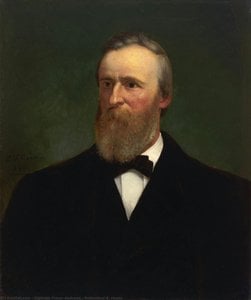
Robert Edward Lee
복제본 규격

Born in the historic heart of Fredericksburg, Virginia, on February 3, 1833, John Adams Elder emerged as a profound voice in nineteenth-century American art. The son of a shoemaker, John Douglas Elder, his early life was rooted in a world of meticulous craftsmanship—a heritage that would later manifest in the breathtaking precision of his brushwork. While his beginnings were humble, his artistic spirit was anything but; even as a young child, he demonstrated an innate ability to transform simple materials into art, famously painting a decorative screen for his mother at the tender age of seven. This early spark of creativity, nurtured by a keen eye for detail and an observant nature, laid the foundation for a career that would eventually capture the very soul of the American South.
As he matured, Elder’s artistic journey took him beyond the borders of Virginia, leading him to New York in 1850 to further refine his technical prowess. It was during this period of expansion and study that his style began to coalesce, blending a rigorous commitment to realism with an evocative, atmospheric sensibility. Though much of his formal training remains shrouded in the quietude of history, his work suggests a deep engagement with the masters of light and perspective. One can sense the influence of great landscape traditions in his ability to modulate tone and capture the ephemeral qualities of the sky and mist, creating canvases that feel less like static images and more like living, breathing moments frozen in time.
Elder’s oeuvre is a magnificent tapestry of landscapes, portraits, and historical chronicles, each piece serving as a window into a bygone era. He possessed a singular ability to render the serene vistas of the Shenandoah Valley with such palpable accuracy that the viewer can almost feel the mountain breeze. His masterpiece, “Breath,” painted in 1873, stands as a testament to this skill; housed in the Mint Museum, it remains an enduring icon of the American landscape, celebrated for its ability to evoke the quiet majesty of the mountains through subtle light and profound emotional resonance.
Beyond the tranquil beauty of nature, Elder was a chronicler of his time, particularly regarding the tumultuous years of the Civil War. His portraits and historical scenes offer a poignant look at the figures and the atmosphere of the Southern experience. Through his work, we encounter notable personalities such as:
This duality—the ability to capture both the eternal stillness of a mountain range and the heavy, human drama of conflict—is what defines Elder’s greatness. His portraits were never merely likenesses; they were studies in character, imbued with a psychological depth that mirrored the complexity of the era itself.
The significance of John Elder extends far beyond the borders of Virginia. He was an artist who bridged the gap between the meticulous detail of traditional realism and the expressive, atmospheric possibilities of the burgeoning landscape movement. His work serves as a vital historical record, preserving the faces, the landscapes, and the very atmosphere of nineteenth-century America for future generations. Even as he moved through the challenges of his era, his commitment to capturing the essence of his surroundings remained unshakable.
Today, the works of J.A. Elder continue to inspire awe in museums across the United States. His legacy is not found merely in the pigments on a canvas, but in the way he taught us to look at the American landscape—not just as scenery, but as a vessel for memory, emotion, and national identity. Through his eyes, the Shenandoah Valley remains forever vibrant, and the historical echoes of the Civil War remain perpetually present, reminding us of the profound beauty and the enduring complexity of the human story.

1833 - 1895 , United States of America

 실제 크기로 보기
 보내기
보내기 공유하기
공유하기
 상세 보기
상세 보기 가이드 보기

 이미지 다운로드
 유사 작품 더 보기
 X-레이
X-레이 슬라이드 쇼 보기
 통계 정보
통계 정보

 상세 보기
상세 보기






































 유리 옵션은 110cm 미만 크기에서만 선택 가능합니다.