Oil On PanelWallArtRomantic Landscape Painting
 19th Century
 51.0 x 76.0 cm
작가가 직접 캔버스에 손으로 그린 유화 작품으로, 원하는 크기와 액자로 맞춤 제작해 드립니다. ( 프린트 판매로 전환 디지털 이미지 판매 채널로 전환)





























작품의 원본 비율을 그대로 유지하는 프리셋 사이즈 중에서 선택해 보세요.

액자나 벽면 크기에 맞춰 필요한 가로와 세로 길이를 입력해 주세요. 본 작품은 수작업으로 제작되므로, 요청하신 비율에 따라 작가가 그림의 가장자리를 조금 더 넓게 그리거나 일부를 조정하여 작업할 수 있습니다. 작업 시작 전, 최종 확인을 위해 디지털 목업 이미지를 보내드립니다. 이 페이지에 표시된 이미지는 실제 결과물과 다를 수 있으며, 오직 목업 이미지만이 정확한 결과물을 보여줍니다.
Windmills in landscape
복제본 규격
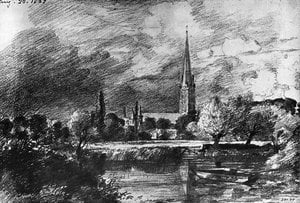
In his 1830 masterpiece, "Landscape with Windmills Near Haarlem," John Constable invites the viewer into a world where the atmosphere itself becomes a living, breathing protagonist. This evocative landscape is far more than a mere topographical record of rural life; it is a profound meditation on the transient beauty of nature. The scene unfolds across a sprawling vista, dominated by two windmills that stand as silent sentinaries against a dramatic, brooding sky. One windmill anchors the left side of the composition, while another rests more centrally, partially veiled by the lush greenery of the trees. Through his masterful command of light and shadow, Constable creates an illusionistic depth that pulls the observer into the very heart of the English countryside, making the damp, cool air of a cloudy afternoon feel almost tangible.
The painting captures a moment of quiet drama, where the interplay between sunlight and heavy, moisture-laden clouds creates a sense of movement across the canvas. Scattered throughout the verdant fields, small figures move with the unhurried rhythm of pastoral life, adding a human dimension to the vastness of the landscape. This careful arrangement of elements—the sturdy structures of industry, the organic silhouettes of trees, and the ephemeral textures of the clouds—works in harmony to evoke the quintessential charm of the Romantic era. For the collector or interior designer, this piece offers a window into a serene yet powerful world, providing a focal point that brings both tranquility and a sense of historical grandeur to any sophisticated space.
To behold a Constable is to witness the revolution of the landscape genre. Moving away from the rigid, academic conventions of his predecessors, Constable embraced the Romantic ideal, prioritizing emotional resonance and the "feeling" of a place over clinical precision. His technique in this work is nothing short of extraordinary; utilizing oil paint on oak panel, he employed a thick, textured application known as impasto. This method allowed him to build up layers of pigment that catch the light, mimicking the physical presence of earth, foliage, and the heavy textures of storm clouds. This tactile quality gives the painting an incredible vitality, ensuring that the landscape feels less like a static image and more like a captured moment in time.
Historically, this work sits at the pinnacle of Constable’s mature period, reflecting his deep-seated connection to the landscapes of his youth. While the title suggests a nod to the Dutch masters—specifically the influence of Jacob van Ruisdael—the soul of the painting remains rooted in the English tradition of capturing the sublime. The windmills themselves serve as potent symbols: they represent the harmonious integration of human endeavor and industrial progress within the natural world. By placing these symbols of labor against a turbulent, ever-changing sky, Constable underscores the delicate balance between man and the elements, creating an emotional impact that continues to resonate with modern viewers seeking a connection to the enduring power of nature.
슬라이드쇼를 이용하실 수 있습니다: 존 컨스터블의 "Windmills in landscape"의 슬라이드쇼 페이지.
"Windmills in landscape"의 미리보기 페이지에서는 주문 전 작품을 미리 확인할 수 있습니다.
존 컨스터블의 "Windmills in landscape"의 프린트를 구매하시려면, 해당 작품의 파인 아트 프린트 페이지에서 간단히 주문하실 수 있습니다: 코튼 캔버스 또는 아카이브용 캔버스지에 인쇄된 파인 아트 프린트.


1776 - 1837 , 영국

Explore the profound legacy of John Constable. Discover how his mastery of light, atmosphere, and the English landscape redefined Romanticism through timeless, museum-quality oil reproductions for discerning collectors.

 실제 크기로 보기
 보내기
보내기 공유하기
공유하기
 상세 보기
상세 보기 가이드 보기

 이미지 다운로드
 유사 작품 더 보기
 X-레이
X-레이 슬라이드 쇼 보기
 통계 정보
통계 정보 상세 보기
상세 보기









 유리 옵션은 110cm 미만 크기에서만 선택 가능합니다.