x






























작품의 원본 비율을 유지하는 미리 설정된 크기 중에서 선택하세요.

특정 프레임이나 공간에 맞춰 직접 치수를 입력하실 수 있습니다. 선택하신 사이즈가 원본 이미지의 비율과 일치하지 않을 경우, 작품을 크롭(자르기)하거나 이미지를 대칭 또는 단색 채우기로 확장하여 제작합니다. 제작 시작 전, 최종 확인을 위해 디지털 목업이 전송됩니다.
화면상의 미리보기는 실제 크롭이나 확장 상태를 반영하지 않으므로, 최종 구도는 오직 목업을 통해서만 정확하게 확인하실 수 있습니다.
맞춤 사이즈 제작도 가능하지만, 원본 비율을 유지하기 위해서는 사전 정의된 목록에서 치수를 선택하시는 것을 권장합니다.

untitled (2396)
복제본 크기
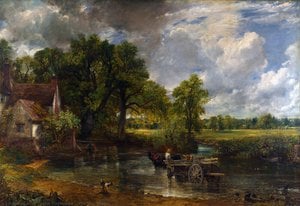
John Constable's "Untitled (2396)" isn’t merely a depiction of a beach scene; it’s a carefully constructed evocation of rural life, imbued with the quiet drama of light and atmosphere characteristic of the artist’s unique vision. Born in 1776 in East Bergholt, Suffolk, Constable dedicated his life to capturing the subtle nuances of the English landscape – a pursuit that profoundly shaped his artistic identity. This particular painting, though lacking a formal title, exemplifies his signature style: an intimate observation of the familiar, rendered with remarkable sensitivity and emotional depth. The scene unfolds on a hazy afternoon, dominated by a cloudy sky that casts a diffused light across the shore. The composition is anchored by a collection of boats – varying in size and positioned at different distances – each reflecting the play of light and shadow upon the water’s surface. These aren't grand, heroic vessels; rather, they represent the everyday rhythms of coastal life, hinting at fishing expeditions or leisurely outings.
Constable’s masterful use of color is immediately striking. He employs a restrained palette – predominantly muted blues, greens, and browns – to create a sense of atmospheric depth. The sky isn't a single, uniform grey; it’s layered with variations in tone, suggesting movement and the promise of change. Notice how Constable subtly shifts the hues as he moves from foreground to background, creating an illusion of distance and drawing the viewer into the scene. The boats themselves are painted with delicate brushstrokes, capturing the textures of wood and water with remarkable precision. The artist’s technique is rooted in observation; he meticulously studied the effects of light on surfaces, a skill honed through years spent sketching in his beloved Suffolk countryside.
Adding an unexpected element to this tranquil scene is the presence of a horse standing on the left side of the canvas. Its posture – alert yet relaxed – suggests it might be tethered or awaiting its owner. The horse serves as a focal point, drawing the eye and subtly disrupting the otherwise serene composition. It’s a detail that invites speculation about the activities taking place within the scene; perhaps the boatmen are preparing their vessels for departure, or the horse is simply enjoying a moment of respite by the water's edge. Scattered throughout the beach are figures – likely local residents – engaged in various tasks: tending to the boats, socializing, or simply basking in the afternoon sun. Constable doesn’t offer detailed portraits; instead, he presents these individuals as part of the landscape, seamlessly integrated into the overall composition.
To fully appreciate “Untitled (2396),” it's crucial to understand the historical context in which Constable worked. The early 19th century was a period of significant social and economic change in Britain, with rural communities facing increasing pressure from industrialization. Constable’s art offered a poignant counterpoint to this trend, celebrating the enduring beauty and value of the English countryside. His paintings weren't simply representations of landscapes; they were expressions of his deep affection for his native Suffolk – a region he considered to be a source of profound inspiration. The painting reflects Constable’s belief that nature held intrinsic worth, independent of human activity.
Beyond its technical brilliance, “Untitled (2396)” resonates with a quiet emotional intensity. The cloudy sky evokes a sense of melancholy or introspection, while the bright patches of sunlight suggest hope and optimism. The scene is imbued with a feeling of timelessness – as if it could have been painted centuries ago. Constable’s ability to capture these subtle nuances of mood and atmosphere is what makes his work so enduringly captivating. It's a painting that invites contemplation, prompting us to reflect on our own relationship with the natural world and the beauty that surrounds us. The overall effect is one of peaceful observation, inviting the viewer to share in the simple pleasures of rural life.


1776 - 1837 , 영국

Explore the captivating landscapes of Alfred Worthington (1834-1927), a pivotal figure bridging Victorian realism & early Impressionism. Discover his Welsh hunting scenes, artistic evolution, and collecting guide.

Explore the captivating world of Philip Connard (1875-1958), a leading British Impressionist painter renowned for his decorative landscapes and wartime artistry. Discover his life, legacy & available artworks at WahooArt.

Explore the life & art of John Constable, the Romantic painter who revolutionized landscape with emotive scenes of rural England. Discover his techniques, legacy, and key works – perfect for collectors & enthusiasts.

Explore the life & work of Thomas Barker of Bath, a key figure in 19th-century English Romanticism. Discover his Parisian success, iconic paintings like 'The Bride of Death', and lasting artistic legacy. Learn more at WahooArt.
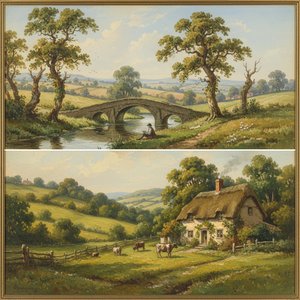
Explore the serene landscapes of John Fulleylove (1845-1908), a celebrated English artist. Discover his charming watercolours & oils, evocative travel illustrations, and lasting legacy. Learn about his life, exhibitions, and artistic style.


최신 미술 뉴스, 특별 혜택 및 인테리어 아이디어를 가장 먼저 만나보세요.
프로젝트에 대해 알려주시면 저희 미술 전문가들이 맞춤형 아트 제안 3가지를 전달해 드립니다.
당신만을 위한 맞춤형 옵션 3가지를 무료로 추천해 드립니다!

 작품 구매하기
 공유하기
공유하기 공유하기
공유하기
 상세 정보
상세 정보

 다운로드
다운로드
 유사 작품
유사 작품 X-레이
X-레이 슬라이드 쇼
 더 보기
더 보기









 유리 옵션은 110cm 미만 크기에서만 선택 가능합니다.