실제 크기로 보기
 보내기
보내기 공유하기
공유하기
 상세 보기
상세 보기 가이드 보기

 이미지 다운로드
 유사 작품 더 보기
 X-레이
X-레이 슬라이드 쇼 보기
 Q&A
Q&A 통계 정보
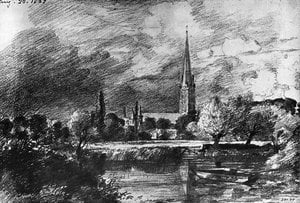
통계 정보The Vale of Dedham Hand-painted oil painting reproduction

- 145.0 x 122.0 cm


Constable’s evocative Vale of Dedham captures the sublime beauty of Suffolk's landscape in 1828 Romanticism, portraying a tranquil valley bathed in golden sunlight and populated by majestic trees—a timeless masterpiece inviting you to experience its serene grandeur.
 상세 보기
상세 보기
존 컨스터블(1776-1837), 낭만주의 시대 영국 풍경화의 거장입니다. '더 헤이 웨인'을 비롯한 작품에서 그의 고향 서퍽 지역의 아름다움을 생생하게 담아냈으며, 자연에 대한 진솔한 표현과 혁신적인 기법으로 영국 미술사에 큰 영향을 미쳤습니다.
핸드메이드 유화 복제화
작가가 직접 캔버스에 손으로 그린 유화 작품으로, 원하는 크기와 액자로 맞춤 제작해 드립니다. ( 프린트 판매로 전환 디지털 이미지 판매 채널로 전환)




P118B ₩10

P118H ₩10

P118W ₩10

P438Z ₩10

P508JH ₩12

P508YH ₩12

P805H ₩10

P805Z ₩10

P919BZ ₩10

P919G ₩10

P919XJ ₩10

P959ZH ₩10

P968JZ ₩12

W106C ₩8

W218G ₩10

W218JH ₩8

W218Y ₩10

W307PJ ₩10

W316G ₩10

W316PJ ₩8

W316Y ₩10

W398PJ ₩8

W4111J ₩10

W500HY ₩15

W500JH ₩15

W692G ₩12

W849H ₩8

W940BG ₩15

W953PJ ₩8




표준 규격
맞춤 제작
CM
INCH
작품의 원본 비율을 그대로 유지하는 프리셋 사이즈 중에서 선택해 보세요.
Loading sizes...

가로 너비
높이
액자나 벽면 크기에 맞춰 필요한 가로와 세로 길이를 입력해 주세요. 본 작품은 수작업으로 제작되므로, 요청하신 비율에 따라 작가가 그림의 가장자리를 조금 더 넓게 그리거나 일부를 조정하여 작업할 수 있습니다. 작업 시작 전, 최종 확인을 위해 디지털 목업 이미지를 보내드립니다. 이 페이지에 표시된 이미지는 실제 결과물과 다를 수 있으며, 오직 목업 이미지만이 정확한 결과물을 보여줍니다.
변경 가능한 예시: 얼굴을 고객님의 사진으로 교체, 반려동물 추가(예: 고양이를 강아지로 변경), 배경에 숨겨진 메시지 삽입, 배경 풍경 또는 요소 변경 등
주문 완료 후 WahooArt.com 팀에서 상세 안내를 위해 고객님께 이메일을 보내드리며, 미리보기 시안을 함께 제공해 드립니다.
주문 완료 후 WahooArt.com 팀에서 상세 안내를 위해 고객님께 이메일을 보내드리며, 미리보기 시안을 함께 제공해 드립니다.


 유리 옵션은 110cm 미만 크기에서만 선택 가능합니다.

The Vale of Dedham
재현 매체
복제본 규격