빠른 제작과 다양한 마감 옵션을 선택할 수 있는 박물관 수준의 지클레이 및 캔버스 프린트. ( 수작업 채색 복제본 주문하기 디지털 이미지 판매 채널로 전환)





























작품의 원본 비율을 그대로 유지하는 프리셋 사이즈 중에서 선택해 보세요.

액자나 벽면 크기에 맞춰 필요한 가로와 세로 길이를 입력해 주세요. 프린트는 원본 이미지보다 크게 제작할 수 없으며 오직 자르는 것만 가능하므로, 비율이 다른 사이즈를 선택할 경우 이미지의 일부가 잘려 나갈 수 있습니다. 인쇄 작업에 들어가기 전, 최종 확인을 위해 디지털 목업을 보내드립니다. 이 페이지에 표시된 이미지는 실제 잘리는 영역을 나타내지 않으며, 오직 목업을 통해서만 정확한 확인이 가능합니다.
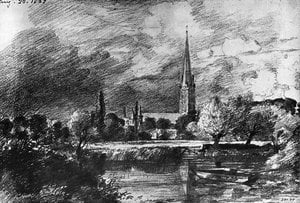
Hampstead Heath with a Rainbow
복제본 규격
Painted in 1836 during the twilight years of his career, John Constable's “Hampstead Heath with a Rainbow” is more than just a landscape; it’s a deeply felt meditation on the beauty and power of the natural world. This evocative scene, currently residing within the Tate Britain collection, captures a fleeting moment in Branch Hill overlooking Hampstead Heath – a location that held particular significance for Constable, representing a vital connection to his beloved Suffolk roots.
Constable’s style at this period is characterized by an extraordinary sensitivity to light and atmosphere. He eschewed the grand, theatrical landscapes favored by some of his contemporaries, instead opting for a more intimate portrayal of familiar surroundings. The painting isn't merely a depiction of a view; it’s a distillation of feeling – a palpable sense of serenity mingled with a hint of melancholy. Notice how he employs loose, expressive brushstrokes, allowing the canvas to breathe and conveying the movement of clouds and the shimmer of sunlight on the water. This technique, deeply rooted in his observation of nature, creates an immediate impression of immediacy and authenticity.
To fully appreciate “Hampstead Heath with a Rainbow,” it’s crucial to understand Constable's personal connection to the landscape. Born in East Bergholt, Suffolk, he spent his life immersed in the rhythms of rural England. His father, a successful corn merchant and mill owner, provided him with both financial security and access to the very subjects that would define his artistic legacy – the rolling hills, meandering rivers, and humble lives of the countryside. This intimate familiarity is evident in every detail of the painting: the weathered textures of the buildings, the gentle curves of the riverbank, and the quiet dignity of the distant town.
The inclusion of a windmill, a relatively uncommon element in Constable’s earlier works, adds an intriguing layer of symbolism. Windmills represented industry and progress during this era, yet here they are subtly integrated into the pastoral scene, suggesting a harmonious coexistence between nature and human endeavor. The rainbow itself, arcing across the stormy sky, is a potent symbol of hope and renewal – a promise after the storm, reflecting Constable’s own enduring optimism.
Constable's masterful use of light is arguably the painting’s most compelling feature. He expertly captures the shifting qualities of daylight, transitioning from the diffused glow of a cloudy afternoon to the vibrant hues of a setting sun. The composition is carefully balanced, drawing the viewer’s eye through the scene – from the foreground details of the riverbank and buildings, across the expansive expanse of Hampstead Heath, and finally to the distant town nestled in the valley. Note how he uses atmospheric perspective—distant objects appear paler and less distinct—to create a sense of depth and scale.
The painting is executed primarily in oil on canvas, utilizing a technique known as “impasto,” where thick layers of paint are applied to the surface, creating a tactile and visually rich texture. This impasto not only adds physicality to the scene but also enhances the sense of movement and energy within the landscape. The subtle variations in color and tone further contribute to the painting’s atmospheric effect, evoking a feeling of warmth and tranquility.
“Hampstead Heath with a Rainbow” stands as a testament to John Constable's unique vision and his profound understanding of the English countryside. It represents a pivotal moment in the development of landscape painting, moving away from purely decorative representations towards more emotionally resonant and psychologically complex portrayals of nature. Constable’s ability to capture not just the appearance but also the essence of a place—its mood, its history, and its spirit—continues to inspire artists and captivate viewers today. Reproductions of this iconic work offer a window into Constable's world, allowing us to experience the beauty and serenity of rural England as he saw it.
존 컨스터블의 기록된 주제들인 romantic landscape influence, english countryside focus, nature's power & beauty, constable's regional themes, symbolic storm imagery, hay wain echoes", rainbow as hope/promise, late career vision" 중에서도, "Hampstead Heath with a Rainbow"은 landscape, stormy sky, rainbow, rural scene, windmill, nature, england, constable에 독자적인 초점을 맞추고 있습니다.
존 컨스터블의 "Hampstead Heath with a Rainbow"의 X선 분석 페이지는 엑스레이 스타일의 뷰를 포함하여 작품 이미지의 11개 광학 레이어를 슬라이드하며 살펴볼 수 있는 인터랙티브 뷰어를 제공합니다.
존 컨스터블의 작품 활동 중 "Hampstead Heath with a Rainbow"은(는) Late Period 시기에 해당합니다. 이 시기는 작가의 다른 작품들과 비교해 보는 데 도움이 됩니다.


1776 - 1837 , 영국

Explore the profound emotional power of Romantic landscape art. Discover how masters like Friedrich captured the sublime through breathtaking nature, and learn to curate these evocative masterpieces for your luxury interior collection.

Explore the profound legacy of John Constable. Discover how his mastery of light, atmosphere, and the English landscape redefined Romanticism through timeless, museum-quality oil reproductions for discerning collectors.

 실제 크기로 보기
 보내기
보내기 공유하기
공유하기
 상세 보기
상세 보기 가이드 보기

 이미지 다운로드
 유사 작품 더 보기
 X-레이
X-레이 슬라이드 쇼 보기
 통계 정보
통계 정보

 상세 보기
상세 보기









 유리 옵션은 110cm 미만 크기에서만 선택 가능합니다.