빠른 제작과 다양한 마감 옵션을 제공하는 박물관 품질의 지클레이 또는 캔버스 프린트. ( 손으로 그린 그림 구매 디지털 이미지로 전환)





























작품의 원본 비율을 유지하는 미리 설정된 크기 중에서 선택하세요.

특정 프레임이나 공간에 맞춰 직접 치수를 입력하실 수 있습니다. 선택하신 사이즈가 원본 이미지의 비율과 일치하지 않을 경우, 작품을 크롭(자르기)하거나 이미지를 대칭 또는 단색 채우기로 확장하여 제작합니다. 제작 시작 전, 최종 확인을 위해 디지털 목업이 전송됩니다.
화면상의 미리보기는 실제 크롭이나 확장 상태를 반영하지 않으므로, 최종 구도는 오직 목업을 통해서만 정확하게 확인하실 수 있습니다.
맞춤 사이즈 제작도 가능하지만, 원본 비율을 유지하기 위해서는 사전 정의된 목록에서 치수를 선택하시는 것을 권장합니다.

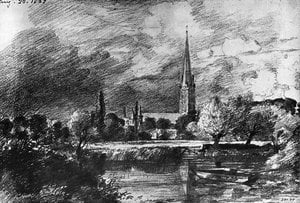
East Bergholt Church
복제본 크기
John Constable's "East Bergholt Church," painted in 1811, is more than just a picturesque depiction of a Suffolk village; it’s a profound meditation on the relationship between humanity and nature, rendered with an unparalleled sensitivity to light and atmosphere. Born in East Bergholt itself – a fact that profoundly shaped his artistic vision – Constable imbues this scene with a deeply personal resonance, reflecting his upbringing amidst the rolling hills and tranquil waterways of Dedham Vale.
Painted during the early years of the Romantic movement, “East Bergholt Church” embodies many of its key tenets. Unlike the rigid formality of Neoclassical art, Constable sought to capture the raw emotion and subjective experience of nature. His technique – characterized by loose brushstrokes, vibrant color palettes, and a deliberate avoidance of precise detail – prioritized feeling over representation. He employed ‘impasto’ - thick layers of paint - particularly in the foliage, creating a tactile quality that invites the viewer to almost reach out and touch the scene.
Constable's meticulous observation of light is immediately apparent. The painting captures the fleeting effects of sunlight filtering through the trees, casting dappled shadows across the churchyard and imbuing the entire landscape with a luminous glow. This obsession with light – a hallmark of his work – was driven by his desire to translate the ephemeral beauty of nature onto canvas.
The inclusion of the solitary figure, likely admiring the church or perhaps engaged in some quiet task, adds another layer of meaning to the painting. It suggests a connection between the individual and the landscape – a theme central to Romantic thought. The church itself represents faith, tradition, and community, anchoring the scene within a specific historical and cultural context.
Painted shortly after Constable’s encounter with George Beaumont and his collection of Lorrain's works, it is clear that the influence of the classical landscape painter is present in Constable's approach to composition and atmospheric perspective. However, Constable quickly developed his own distinct style, prioritizing emotional resonance and a deeply personal connection to the English countryside.
"East Bergholt Church" possesses a remarkable serenity and tranquility that continues to captivate viewers today. It’s a painting that invites contemplation, offering a glimpse into a simpler way of life and reminding us of the enduring beauty of the natural world. Constable's ability to evoke such powerful emotions through his art cemented his place as one of England’s greatest landscape painters, and this work remains a testament to his genius.


1776 - 1837 , 영국

Explore the profound legacy of John Constable. Discover how his mastery of light, atmosphere, and the English landscape redefined Romanticism through timeless, museum-quality oil reproductions for discerning collectors.

Explore the profound emotional power of Romantic landscape art. Discover how masters like Friedrich captured the sublime through breathtaking nature, and learn to curate these evocative masterpieces for your luxury interior collection.


 미리보기
미리보기
 공유하기
공유하기 공유하기
공유하기
 상세 정보
상세 정보 가이드 보기

 다운로드
다운로드
 유사 작품
유사 작품 X-레이
X-레이 슬라이드 쇼
 통계 정보
통계 정보

 더 보기
더 보기









 유리 옵션은 110cm 미만 크기에서만 선택 가능합니다.