x






























작품의 원본 비율을 유지하는 미리 설정된 크기 중에서 선택하세요.

특정 프레임이나 공간에 맞춰 직접 치수를 입력하실 수 있습니다. 선택하신 사이즈가 원본 이미지의 비율과 일치하지 않을 경우, 작품을 크롭(자르기)하거나 이미지를 대칭 또는 단색 채우기로 확장하여 제작합니다. 제작 시작 전, 최종 확인을 위해 디지털 목업이 전송됩니다.
화면상의 미리보기는 실제 크롭이나 확장 상태를 반영하지 않으므로, 최종 구도는 오직 목업을 통해서만 정확하게 확인하실 수 있습니다.
맞춤 사이즈 제작도 가능하지만, 원본 비율을 유지하기 위해서는 사전 정의된 목록에서 치수를 선택하시는 것을 권장합니다.

Brighton beach
복제본 크기
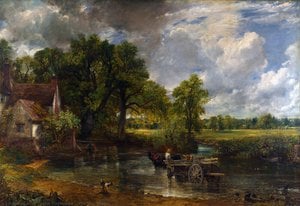
John Constable's "Brighton Beach," painted in 1824, isn’t merely a depiction of a coastal scene; it’s a profound meditation on the relationship between humanity and nature, rendered with the characteristic sensitivity and emotional depth that defined the artist’s legacy. This evocative landscape captures a fleeting moment along Brighton's shore, yet within its loose brushstrokes and atmospheric haze resides a wealth of observation and feeling. The painting immediately draws the eye to the partially submerged shipwreck on the left – a poignant reminder of time’s relentless passage and the impermanence of earthly possessions. However, it is not a scene of melancholy, but rather one imbued with a quiet sense of leisure and connection to the natural world.
Constable's approach firmly places “Brighton Beach” within the Romantic tradition, a movement that prioritized subjective experience and emotional response over strict adherence to academic rules. He eschews precise detail in favor of capturing the *feeling* of the scene – the diffused light, the subtle shifts in color, the sense of airiness and openness. The composition is deliberately horizontal, emphasizing the vastness of the sea and sky, creating a feeling of limitless space and inviting the viewer to lose themselves within the panorama. The artist’s use of color is particularly noteworthy; he employs muted tones – ochres, blues, and greens – to create a sense of atmospheric depth and subtly suggest the play of light on water and sand.
Born in East Bergholt, Suffolk, Constable’s artistic vision was inextricably linked to his homeland. His paintings are not simply representations of landscapes; they are intensely personal expressions of his deep connection to the English countryside. The Suffolk landscape – with its rolling hills, meandering rivers, and ever-changing light – provided him with an endless source of inspiration. “Brighton Beach” can be seen as a departure from his usual subjects—the familiar vistas of Dedham Vale—but it retains the same core qualities: a profound appreciation for nature’s beauty, a sensitivity to atmospheric effects, and a willingness to imbue ordinary scenes with emotional resonance.
Constable's technique is characterized by loose, expressive brushstrokes – a hallmark of his style. He builds up layers of paint, allowing the texture of the canvas to become visible, creating a sense of immediacy and spontaneity. The artist’s use of *sfumato*, a technique borrowed from Leonardo da Vinci, further enhances the atmospheric effect, softening edges and blurring details to create a hazy, dreamlike quality. The painting is not about precise accuracy; it's about capturing the essence of a moment in time – the feeling of being present in a beautiful place.
Beyond its purely visual appeal, “Brighton Beach” is rich in symbolic meaning. The shipwreck, partially submerged beneath the waves, represents decay, loss, and the inevitable passage of time. Yet, it’s not presented as a morbid image; rather, it serves as a counterpoint to the lively activity on the beach – the figures enjoying the sun, the sailboats gliding across the water. This juxtaposition suggests a complex relationship between humanity and nature: a recognition of mortality alongside an appreciation for life's simple pleasures.
The scene evokes a sense of nostalgia—a longing for a simpler time, a connection to the past. The hazy atmosphere, the muted colors, and the quiet stillness all contribute to this feeling. “Brighton Beach” is not just a painting; it’s an invitation to pause, reflect, and reconnect with the beauty and wonder of the natural world. It's a testament to Constable's ability to capture not only what he saw but also what he *felt*—a rare and deeply moving achievement.
Painted during a period of significant social and artistic change, “Brighton Beach” reflects the growing interest in landscape painting as a legitimate subject for artists. Prior to this era, landscapes were often relegated to secondary roles in paintings—mere backdrops for portraits or historical scenes. Constable’s work helped to elevate the status of landscape painting, demonstrating its capacity to convey complex emotions and ideas. The burgeoning popularity of seaside resorts like Brighton during this time also influenced artistic trends, as artists sought to capture the changing social landscape.
Constable's influence on subsequent generations of landscape painters is undeniable. His emphasis on subjective experience, his expressive brushwork, and his profound connection to nature paved the way for Impressionism and other modern movements. “Brighton Beach” remains a powerful example of Constable’s genius—a timeless masterpiece that continues to captivate viewers with its beauty, emotion, and enduring relevance.


1776 - 1837 , 영국

Explore the serene landscapes of John Varley I, a key figure in British Romanticism. Discover his unique watercolour style, collaboration with William Blake & lasting artistic legacy. Learn about collecting Varley's work.

Explore the dramatic seascapes & landscapes of Clarkson Frederick Stanfield (1793-1867). Discover his life, art, and lasting influence on British Romanticism. Acquire stunning reproductions at WahooArt.

Explore the vibrant world of Stephen Bone (1904-1958), a key figure in British Neo-Romanticism. Discover his captivating landscapes, impactful war art & unique artistic style. Learn about his life, influences & legacy.

Explore the short but impactful career of Richard Parkes Bonington, a pivotal figure bridging British Romanticism & French plein air painting. Discover his luminous landscapes and lasting influence on Delacroix & beyond.

Explore the life & art of John Constable, the Romantic painter who revolutionized landscape with emotive scenes of rural England. Discover his techniques, legacy, and key works – perfect for collectors & enthusiasts.


최신 미술 뉴스, 특별 혜택 및 인테리어 아이디어를 가장 먼저 만나보세요.
프로젝트에 대해 알려주시면 저희 미술 전문가들이 맞춤형 아트 제안 3가지를 전달해 드립니다.
당신만을 위한 맞춤형 옵션 3가지를 무료로 추천해 드립니다!

 작품 구매하기
 공유하기
공유하기 공유하기
공유하기
 상세 정보
상세 정보

 다운로드
다운로드
 유사 작품
유사 작품 X-레이
X-레이 슬라이드 쇼

 더 보기
더 보기









 유리 옵션은 110cm 미만 크기에서만 선택 가능합니다.