A Whisper from Dedham Vale: Constable’s Intimate Correspondence
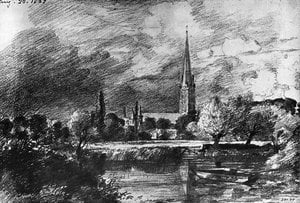
This remarkable hand-painted reproduction captures a poignant moment in the life of John Constable, one of England's most celebrated Romantic landscape painters. It is not merely a depiction of a letter; it is an immersion into the very soul of his artistic process and the deeply personal connection he forged with the English countryside. The image presents a close-up of Constable’s autograph letter to Henry Hebbert Esq., dated 1827, offering a rare glimpse beyond the grand vistas that define his iconic paintings.
- The Letter as Portrait: Constable's handwriting itself becomes a subject – a testament to years spent observing and translating the nuances of light and shadow. The cursive script reveals a thoughtful, almost meditative quality, mirroring the artist’s meticulous approach to capturing the essence of Dedham Vale.
- Annotations and Imperfection: The subtle blue marks scattered across the paper are not flaws but rather evidence of Constable's considered revisions. They speak to his relentless pursuit of accuracy and emotional resonance, a hallmark of his artistic philosophy.
- A Window into the Artist’s World: The content of the letter – though largely illegible in this reproduction – hints at the daily concerns and observations that fueled his creative spirit. It reveals Constable as both a keen observer of nature and a man engaged in personal correspondence, grounding his artistic vision within a tangible human experience.
The Romantic Vision: Constable’s Dedham Vale
John Constable's work is inextricably linked to the landscape of Dedham Vale, a region he considered his muse and spiritual home. This letter, originating from this very location, underscores the profound influence of the surrounding environment on his artistic output. Constable’s paintings are not simply representations of scenery; they are deeply felt responses to the light, atmosphere, and character of this specific place. His Romantic approach prioritized subjective experience and emotional truth over strict topographical accuracy, a revolutionary concept at the time.
- Claude Lorrain's Legacy: Constable’s early exposure to the works of Claude Lorrain – a master of idealized landscapes – undoubtedly shaped his artistic sensibilities. However, unlike Lorrain, who often depicted classical ruins and heroic figures, Constable sought to capture the raw beauty and inherent drama of the English countryside.
- The Power of Light: A central theme in Constable’s work is the ever-changing quality of light, particularly its effect on water and vegetation. The letter itself, with its focus on observation and detail, reflects this preoccupation – a desire to understand and translate the ephemeral beauty of nature onto canvas.
Technique and Craftsmanship: A Hand-Painted Reproduction
This reproduction is meticulously crafted by skilled artisans who employ traditional hand-painting techniques reminiscent of Constable’s own methods. Each brushstroke, each subtle variation in tone, is carefully executed to faithfully recreate the texture and atmosphere of the original letter. The use of archival quality materials ensures that this artwork will retain its beauty and vibrancy for generations to come.
- Layered Pigments: The painting utilizes a layering technique with multiple thin washes of pigment, building up depth and richness of color – a method favored by Constable himself.
- Detailed Texture: Attention has been paid to replicating the tactile qualities of the original paper, including the subtle imperfections and variations in surface texture.
- Authentic Impression: The goal is not simply to create a copy but to evoke the same sense of wonder and appreciation for Constable’s artistic vision that his paintings inspire.
Symbolism and Emotional Resonance
Beyond its historical significance, this reproduction carries a powerful emotional resonance. It represents more than just a letter; it is a tangible connection to one of England's greatest artists and his profound love for the natural world. The image invites contemplation on themes of observation, inspiration, and the enduring power of landscape to shape human experience.
질의응답
"Autograph letter signed ( John Constable ), to Henry Hebbert Esq"은(는) 존 컨스터블의 평소 작업 스타일을 잘 보여주는 작품인가요?
"Autograph letter signed ( John Constable ), to Henry Hebbert Esq"은(는) john constable, autograph letter, henry hebbert, 1827 correspondence, dedham vale, landscape art, british painting을(를) 묘사하고 있는 반면, 존 컨스터블의 기존 주제들은 claude lorrain influence, suffolk landscape, rural life, personal correspondence, constable’s vision입니다. 이 두 가지를 비교해 보면 해당 작품이 작가의 통상적인 소재와 어떻게 연관되는지 알 수 있습니다.
존 컨스터블의 "Autograph letter signed ( John Constable ), to Henry Hebbert Esq"은(는) 퍼블릭 도메인에 속하나요? 그 이유는 무엇인가요?
존 컨스터블의 "Autograph letter signed ( John Constable ), to Henry Hebbert Esq"은(는) 퍼블릭 도메인 - 저작권 보호 기간이 만료되었습니다 상태입니다. 저작권 보호 기간은 작가 사후를 기준으로 산정되며, 존 컨스터블은(는) 1837년에 작고하였습니다.
존 컨스터블의 "Autograph letter signed ( John Constable ), to Henry Hebbert Esq"은(는) 잘 알려진 작품인가요?
존 컨스터블의 "Autograph letter signed ( John Constable ), to Henry Hebbert Esq"의 인기도는 Recognized 수준입니다. 이 분류는 해당 작품이 얼마나 널리 알려져 있는지를 반영합니다.