
x


빠른 제작과 다양한 마감 옵션을 제공하는 박물관 품질의 지클레이 또는 캔버스 프린트. ( 손으로 그린 그림 구매 이미지 구매)
작품의 원본 비율을 유지하는 미리 설정된 크기 중에서 선택하세요.

특정 프레임이나 공간에 맞춰 직접 치수를 입력하실 수 있습니다. 선택하신 사이즈가 원본 이미지의 비율과 일치하지 않을 경우, 작품을 크롭(자르기)하거나 이미지를 대칭 또는 단색 채우기로 확장하여 제작합니다. 제작 시작 전, 최종 확인을 위해 디지털 목업이 전송됩니다.
화면상의 미리보기는 실제 크롭이나 확장 상태를 반영하지 않으므로, 최종 구도는 오직 목업을 통해서만 정확하게 확인하실 수 있습니다.
맞춤 사이즈 제작도 가능하지만, 원본 비율을 유지하기 위해서는 사전 정의된 목록에서 치수를 선택하시는 것을 권장합니다.

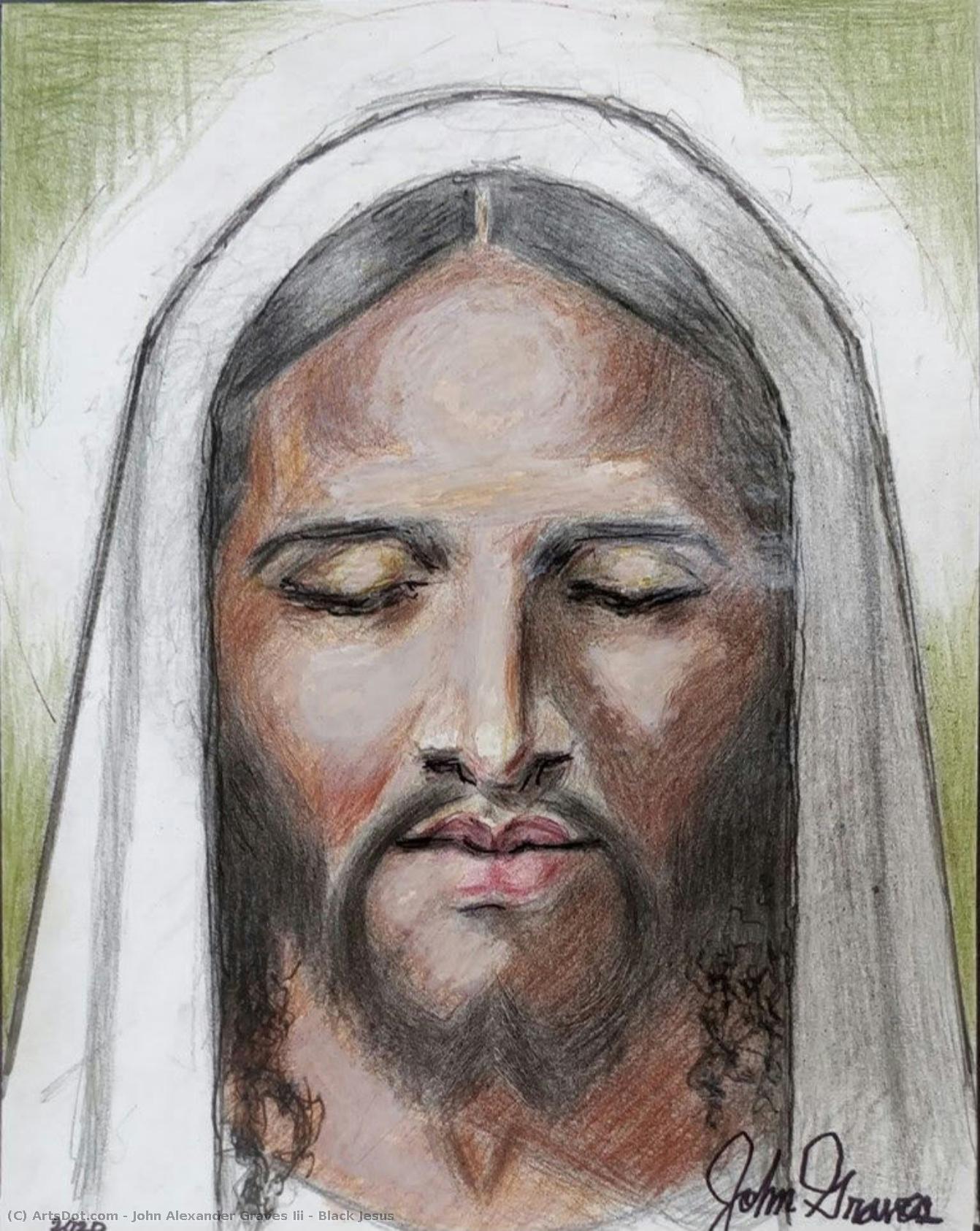
Black Jesus
복제본 크기
John Alexander Graves III, born in Fort Worth in 1920 and passing away in Glen Rose in 2013, wasn't merely a writer; he was a cartographer of the soul, meticulously charting the landscapes—both physical and emotional—of Texas. His work transcends simple description, offering instead a profound meditation on place, memory, and the enduring connection between humanity and the natural world. Graves’s legacy isn’t defined by grand literary accolades, though he certainly earned his share of recognition, including the Texas Institute of Letters Lon Tinkle Award. Instead, it resides in the quiet resonance of his prose, the evocative power of his observations, and the way he invited readers to truly *see* the land he so deeply loved.
His early life was steeped in the rhythms of rural Texas. Growing up on a family ranch near Cuero and spending formative years in Fort Worth instilled within him an intimate understanding of the state’s diverse terrains—from the rolling hills of the Hill Country to the vast expanse of the Brazos River. This upbringing formed the bedrock of his artistic vision, informing his later work with a sensitivity rarely found in writers focused on regional themes. His formal education at Rice Institute and Columbia University provided him with intellectual tools, but it was his immersion in the Texas landscape that truly shaped his voice.
Graves’s most celebrated work, *Goodbye to a River* (1960), is arguably the cornerstone of his literary career. This memoir-cum-meditation on a three-week canoe trip down a section of the Brazos River isn't simply an account of a journey; it’s a profound exploration of time, loss, and the inexorable march of change. The river itself becomes a metaphor for life—its currents carrying us along, its banks revealing glimpses of the past, and its eventual destination ultimately unknowable. The book’s success wasn't solely due to its lyrical prose; it captured a growing sense of unease about the state’s rapid development and the potential loss of its natural heritage – a theme that would continue to resonate throughout his oeuvre.
Following *Goodbye to a River*, Graves continued to produce works that explored the complexities of Texas life. *Hard Scrabble: Observations on a Patch of Land* (1974) and *From a Limestone Ledge* (1980), collections of essays drawn from his contributions to Texas Monthly, further cemented his reputation as a keen observer of rural America. These pieces demonstrate a remarkable ability to capture the essence of ordinary people and places, revealing the beauty and dignity hidden within seemingly unremarkable lives.
Graves’s career extended beyond the realm of fiction and essays. He served as a consulting writer for the U.S. Department of the Interior's Potomac River Basin Commission from 1965 to 1967, demonstrating his commitment to environmental stewardship. His time at the University of Texas at Austin (1948-1951) and Texas Christian University (1957-1965) provided him with opportunities to nurture a new generation of writers, further solidifying his influence on the literary landscape of Texas.
His later years were marked by continued writing and reflection. He established Hard Scrabble Farm near Glen Rose, becoming deeply intertwined with the land he so eloquently described in his earlier works. This period saw the publication of *Blue & Some Other Dogs* (1981) and *My Dogs and Guns* (2007), offering intimate glimpses into his life as a farmer, rancher, and devoted companion to his dogs.
John Alexander Graves III’s work is more than just literature; it's a testament to the power of observation, the importance of place, and the enduring connection between humans and the natural world. His ability to capture the essence of Texas—its beauty, its challenges, and its people—has left an indelible mark on the state’s literary heritage. He didn’t seek fame or fortune; he simply sought to understand and articulate the landscapes that shaped his life, offering readers a profound invitation to do the same.
His legacy continues through the ongoing study of his works, inspiring writers and artists alike to explore the complexities of Texas and its unique cultural identity. Graves’s writing remains a vital resource for understanding the state's past, present, and future—a reminder that even in the face of change, the land itself holds the key to our memories and our sense of belonging.

1920 - 2013 , United States of America


최신 미술 뉴스, 특별 혜택 및 인테리어 아이디어를 가장 먼저 만나보세요.
프로젝트에 대해 알려주시면 저희 미술 전문가들이 맞춤형 아트 제안 3가지를 전달해 드립니다.
당신만을 위한 맞춤형 옵션 3가지를 무료로 추천해 드립니다!

 미리보기
미리보기
 공유하기
공유하기 공유하기
공유하기
 상세 정보
상세 정보

 다운로드
다운로드
 유사 작품
유사 작품 X-레이
X-레이 슬라이드 쇼
 더 보기
더 보기






































 유리 옵션은 110cm 미만 크기에서만 선택 가능합니다.


