
x


 캔버스에 아크릴 물감월아트Dutch Golden Age Painting
 1669성기 중세
 24.0 x 21.0 cm
 그랑 팔레
그랑 팔레빠른 제작과 다양한 마감 옵션을 제공하는 박물관 품질의 지클레이 또는 캔버스 프린트. ( 손으로 그린 그림 구매 이미지 구매)





























작품의 원본 비율을 유지하는 미리 설정된 크기 중에서 선택하세요.

특정 프레임이나 공간에 맞춰 직접 치수를 입력하실 수 있습니다. 선택하신 사이즈가 원본 이미지의 비율과 일치하지 않을 경우, 작품을 크롭(자르기)하거나 이미지를 대칭 또는 단색 채우기로 확장하여 제작합니다. 제작 시작 전, 최종 확인을 위해 디지털 목업이 전송됩니다.
화면상의 미리보기는 실제 크롭이나 확장 상태를 반영하지 않으므로, 최종 구도는 오직 목업을 통해서만 정확하게 확인하실 수 있습니다.
맞춤 사이즈 제작도 가능하지만, 원본 비율을 유지하기 위해서는 사전 정의된 목록에서 치수를 선택하시는 것을 권장합니다.

The Lacemaker
복제본 크기
Within the hallowed halls of the Louvre resides a painting that transcends mere representation—it is an immersion into the quiet, contemplative heart of 17th-century Dutch life: Johannes Vermeer's *The Lacemaker*, completed around 1669-1670. More than just a portrait of a woman at her craft, it’s a profound meditation on domesticity, diligence, and the subtle poetry of everyday existence. This diminutive canvas—measuring a modest 24.5 x 21 centimeters—holds within its carefully rendered details an astonishing depth of observation and emotional resonance, solidifying Vermeer's place as one of art history’s most enduring masters.
Vermeer, born in Delft in 1632, navigated a world where artistry was inextricably linked to commerce. His father, a silk weaver and art dealer, instilled in him an acute awareness of materials, composition, and the delicate balance between creation and marketability. This early exposure shaped his artistic sensibility, fostering a meticulous approach to detail and a keen eye for capturing the nuances of light and shadow—qualities that are strikingly evident in *The Lacemaker*. Unlike many of his contemporaries who favored grand historical or mythological scenes, Vermeer consistently focused on intimate domestic settings, populated by ordinary people engaged in their daily routines. This deliberate choice allowed him to explore universal themes of human experience with remarkable subtlety and grace.
The painting’s power lies not only in its subject matter but also in Vermeer's masterful technique. He employed a revolutionary approach to light, meticulously layering translucent glazes—thin washes of paint applied over multiple sessions—to create an ethereal luminosity that seems to emanate from within the canvas. This “tenebrism,” as it was later termed, casts a soft glow upon the woman’s face and hands, highlighting her focused expression and the delicate texture of the lace she is creating. Notice how Vermeer captures the subtle variations in color—the rich yellows of the bodice, the pristine white of the lace, the muted blues and reds of the cushion—each hue rendered with astonishing precision.
Furthermore, Vermeer’s use of texture is equally compelling. The rough weave of the linen fabric, the smooth sheen of the polished wood table, and the delicate folds of the lace are all depicted with remarkable realism. He doesn't simply paint these objects; he invites us to *feel* their surfaces—to appreciate the tactile qualities of the materials themselves. This meticulous attention to detail is a hallmark of Vermeer’s style and contributes significantly to the painting’s immersive quality.
Beyond its technical brilliance, *The Lacemaker* is rich in symbolic meaning. The woman at her work represents the ideal of domestic virtue—a cornerstone of Dutch society during the 17th century. Needlework was considered a noble pursuit, embodying qualities such as patience, diligence, and industry. The presence of the Bible or prayer book on the table reinforces this association with piety and moral rectitude. The blue sewing cushion, a common object in Delft households, is not merely functional; it’s a potent symbol of female labor and domesticity.
Interestingly, Vermeer's choice to depict a young woman engaged in lace-making was somewhat unconventional at the time. While women were expected to perform household duties, including sewing, the act of creating intricate lace—a skill requiring considerable dexterity and concentration—was often associated with higher social status. The painting subtly challenges conventional notions of female roles while simultaneously celebrating the virtues of diligence and industry.
*The Lacemaker* is a testament to Vermeer’s extraordinary ability to capture the essence of human experience within a small, intimate space. Its quiet beauty, technical mastery, and profound symbolism continue to captivate viewers centuries after its creation. Reproductions by WahooArt offer an unparalleled opportunity to bring this iconic masterpiece into your home or office, allowing you to appreciate its subtle nuances and timeless appeal. Consider how the soft light, the meticulous detail, and the evocative atmosphere of *The Lacemaker* can transform any room—creating a space that is both serene and inspiring.
To explore this remarkable artwork in greater depth, we invite you to visit our website: The Lacemaker (detail)


1632 - 1675 , 네덜란드
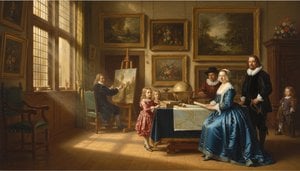
Embark on a journey through the Dutch Golden Age. Discover how masters like Rembrandt and Vermeer used chiaroscuro to manipulate light and shadow, creating timeless depth and spiritual resonance in art history's most captivating masterpieces.


최신 미술 뉴스, 특별 혜택 및 인테리어 아이디어를 가장 먼저 만나보세요.
프로젝트에 대해 알려주시면 저희 미술 전문가들이 맞춤형 아트 제안 3가지를 전달해 드립니다.
당신만을 위한 맞춤형 옵션 3가지를 무료로 추천해 드립니다!


 미리보기
미리보기
 공유하기
공유하기 공유하기
공유하기
 상세 정보
상세 정보

 다운로드
다운로드
 유사 작품
유사 작품 X-레이
X-레이 슬라이드 쇼
 더 보기
더 보기









 유리 옵션은 110cm 미만 크기에서만 선택 가능합니다.


