
 캔버스에 유채월아트Dutch Golden Age
 1672르네상스
 53.0 x 46.0 cm
빠른 제작과 다양한 마감 옵션을 제공하는 박물관 품질의 지클레이 또는 캔버스 프린트. ( 손으로 그린 그림 구매 디지털 이미지로 전환)





























작품의 원본 비율을 유지하는 미리 설정된 크기 중에서 선택하세요.

특정 프레임이나 공간에 맞춰 직접 치수를 입력하실 수 있습니다. 선택하신 사이즈가 원본 이미지의 비율과 일치하지 않을 경우, 작품을 크롭(자르기)하거나 이미지를 대칭 또는 단색 채우기로 확장하여 제작합니다. 제작 시작 전, 최종 확인을 위해 디지털 목업이 전송됩니다.
화면상의 미리보기는 실제 크롭이나 확장 상태를 반영하지 않으므로, 최종 구도는 오직 목업을 통해서만 정확하게 확인하실 수 있습니다.
맞춤 사이즈 제작도 가능하지만, 원본 비율을 유지하기 위해서는 사전 정의된 목록에서 치수를 선택하시는 것을 권장합니다.

The Guitar Player
복제본 크기
Johannes Vermeer’s “The Guitar Player,” painted in 1672, isn't merely a depiction of a musical scene; it’s a carefully constructed window into the quiet domesticity and burgeoning cultural life of 17th-century Delft. This captivating oil on canvas, measuring just 53 x 46 cm, possesses an immediate intimacy—a sense of being drawn into a private moment within a well-appointed room. It's a testament to Vermeer’s extraordinary ability to capture the essence of everyday life with remarkable detail and luminous beauty, solidifying his place as one of the most revered artists of the Dutch Golden Age.
The painting immediately draws the eye to the young woman seated before the guitar, her posture suggesting both grace and a subtle engagement. She wears a delicate crown—a striking element that has fueled much speculation about her status; some interpret it as a symbol of royalty or perhaps simply an emblem of refined taste, reflecting the artistic sensibilities prevalent in Delft at the time. Her attire, though modest, speaks to a comfortable prosperity, hinting at a life centered around learning and leisure. The inclusion of several books scattered around the scene adds another layer of meaning—suggesting a space dedicated not just to music but also to intellectual pursuits and the pleasures of reading. A clock in the background subtly anchors the scene within the constraints of time, reminding us that this is a lived-in space, a home filled with activity and contemplation.
Vermeer’s mastery lies not just in his subject matter but also in his meticulous technique. The composition itself is deliberately asymmetrical, creating a dynamic tension within the frame. The woman's body occupies a significant portion of the left side, while the right side is largely defined by the dark backdrop of the room and the guitar. This imbalance isn’t haphazard; it directs the viewer’s gaze and creates a sense of movement—as if we are being invited to step closer into this intimate tableau. The use of light is particularly noteworthy. Vermeer employs a masterful technique of *chiaroscuro*, skillfully layering translucent glazes to create an ethereal glow that illuminates the woman's face, the guitar, and the surrounding objects. This subtle interplay of light and shadow imbues the scene with warmth and intimacy, evoking a feeling of quiet serenity.
"The Guitar Player" is firmly rooted within the context of the Dutch Golden Age—a period of unprecedented prosperity, artistic innovation, and cultural flourishing. During this era, the Netherlands experienced a remarkable economic boom fueled by trade and maritime exploration. This newfound wealth fostered a vibrant intellectual and artistic climate, encouraging artists to explore themes of domestic life, everyday activities, and the beauty of the natural world. Vermeer’s work reflects these values, capturing the spirit of Delft—a city renowned for its canals, merchant houses, and thriving arts scene. It's important to note that Vermeer was not a court painter or a grand historical artist; instead, he focused on portraying scenes from ordinary life, offering viewers a glimpse into the lives of middle-class citizens.
Beyond its immediate visual appeal, “The Guitar Player” is rich in symbolic meaning. The guitar itself—a relatively recent arrival in Europe during this period—represented both musical skill and romantic love. Its presence here suggests a scene of courtship or perhaps simply the enjoyment of music within a comfortable home. Vermeer’s decision to depict a young woman playing the guitar was likely deliberate, reflecting the growing popularity of music among the Dutch elite. The painting's enduring appeal lies in its ability to evoke a sense of nostalgia for a bygone era—a time when life moved at a slower pace and domestic tranquility reigned supreme. It is a poignant reminder of Vermeer’s genius, his capacity to transform the mundane into the extraordinary, and his lasting contribution to the history of art.
For a high-quality reproduction of “The Guitar Player,” visit WahooArt.com. To learn more about Johannes Vermeer and his remarkable body of work, explore WahooArt.com.


1632 - 1675 , 네덜란드

Embark on a sophisticated journey through the Dutch Golden Age. Unveil the dramatic brilliance of Rembrandt’s chiaroscuro and the expressive landscapes of 17th-century masters in this authoritative exploration of light, shadow, and enduring artistic legacy.
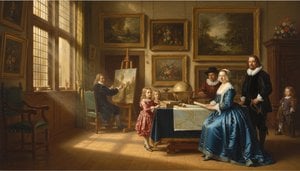
Embark on a journey through the Dutch Golden Age. Discover how masters like Rembrandt and Vermeer used chiaroscuro to manipulate light and shadow, creating timeless depth and spiritual resonance in art history's most captivating masterpieces.


 미리보기
미리보기
 공유하기
공유하기 공유하기
공유하기
 상세 정보
상세 정보 가이드 보기

 다운로드
다운로드
 유사 작품
유사 작품 X-레이
X-레이 슬라이드 쇼
 통계 정보
통계 정보 더 보기
더 보기









 유리 옵션은 110cm 미만 크기에서만 선택 가능합니다.


