미리보기 AR 미리보기 손으로 그린 그림 구매 디지털 이미지로 전환 공유하기
상세 정보 Guide 즐겨찾기에 추가 다운로드 유사 작품 X-레이 슬라이드 쇼 통계 정보

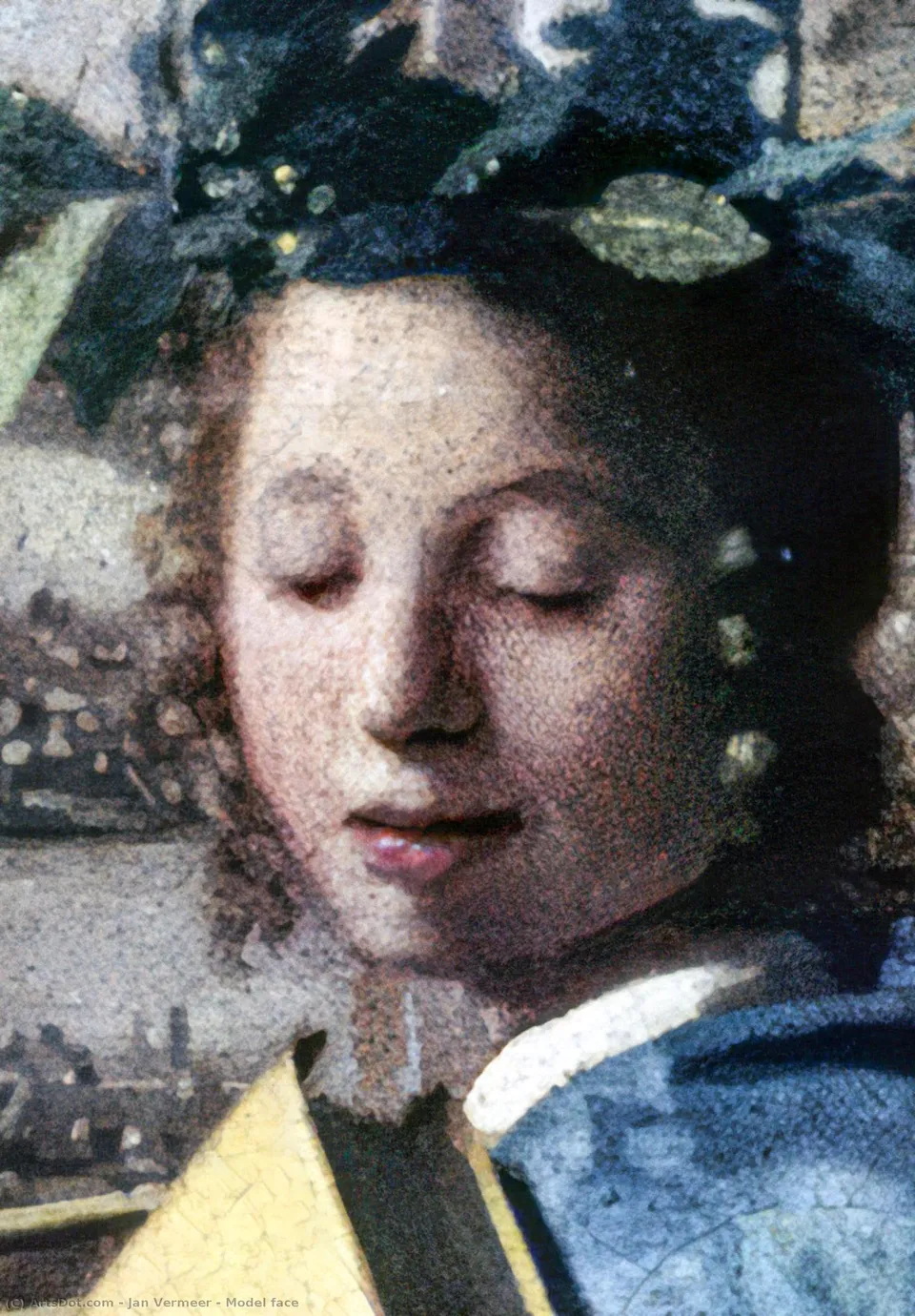
Model face

Johannes Vermeer

17세기 네덜란드 황금시대의 거장 요하네스 페르메이르는 '진주 귀걸이를 한 소녀'로 유명합니다. 빛과 색채를 섬세하게 표현한 실내 풍경으로 일상생활의 아름다움을 담아낸 그의 작품은 예술사에 큰 영향을 미쳤습니다.

지클레 / 아트 프린트

빠른 제작과 다양한 마감 옵션을 제공하는 박물관 품질의 지클레이 또는 캔버스 프린트. ( 손으로 그린 그림 구매 디지털 이미지로 전환)

P118B $10
P118H $10
P118W $10
P438Z $10
P508JH $12
P508YH $12
P805H $10
P805Z $10
P919BZ $10
P919G $10
P919XJ $10
P959ZH $10
P968JZ $12
W106C $8
W218G $10
W218JH $8
W218Y $10
W307PJ $10
W316G $10
W316PJ $8
W316Y $10
W398PJ $8
W4111J $10
W500HY $15
W500JH $15
W692G $12
W849H $8
W940BG $15
W953PJ $8

표준 규격
맞춤형
CM
INCH

작품의 원본 비율을 유지하는 미리 설정된 크기 중에서 선택하세요.

가로 너비
세로 길이

특정 프레임이나 공간에 맞춰 직접 치수를 입력하실 수 있습니다. 선택하신 사이즈가 원본 이미지의 비율과 일치하지 않을 경우, 작품을 크롭(자르기)하거나 이미지를 대칭 또는 단색 채우기로 확장하여 제작합니다. 제작 시작 전, 최종 확인을 위해 디지털 목업이 전송됩니다.
화면상의 미리보기는 실제 크롭이나 확장 상태를 반영하지 않으므로, 최종 구도는 오직 목업을 통해서만 정확하게 확인하실 수 있습니다.
맞춤 사이즈 제작도 가능하지만, 원본 비율을 유지하기 위해서는 사전 정의된 목록에서 치수를 선택하시는 것을 권장합니다.

전 세계 배송()은 일반적인 4~5주의 소요 기간 대신 2주 이내에 완료됩니다. (20 9월)

why_choose_icon
전 세계 무료 특급 배송
why_choose_icon
프리미엄 린넨 캔버스
why_choose_icon
전체 배송 보험 보장
why_choose_icon
관세 환불 보장
why_choose_icon
실제 색상 일치 보장
why_choose_icon
100일 반품 정책 (결함 발생 시에만 적용)
why_choose_icon
100% 환불 보장
why_choose_icon
다량 구매 할인 혜택

총 합계 금액

$ 68

reproduction

Model face

지클레 / 아트 프린트

복제본 크기

-

최종 결제 금액

$ 68

작품 정보 요약

  • Artist: Johannes Vermeer Van Delft
  • Dimensions: 44.5 cm × 39 cm
  • Artistic style: Realism
  • Medium: Oil on canvas
  • Movement: Dutch Golden Age painting
  • Location: Mauritshuis, The Hague
  • Notable elements or techniques: Light and shadow; Trompe-l'oeil

예술 상식 퀴즈

각 질문의 정답은 하나뿐입니다.

질문 1:
What artistic style is Johannes Vermeer known for?
질문 2:
Which technique did Vermeer employ to create depth and dimensionality in his paintings like 'Model Face'?
질문 3:
In what historical period was Johannes Vermeer active?
질문 4:
What is the primary subject matter of 'Model Face'?
질문 5:
The painting utilizes light and shadow to evoke what emotion or feeling?

Johannes Vermeer: A Window Into Delft’s Soul

Johannes Vermeer (1632-1675), a Dutch painter whose name echoes with quiet contemplation and luminous detail, remains an enigma despite centuries of scholarly investigation. Born in Delft—a city renowned for its canals and merchant guilds—Vermeer emerged during the zenith of the Dutch Golden Age, a period characterized by unprecedented economic prosperity, artistic innovation, and burgeoning civic pride. His father, Reijnier Janszoon, was a silk weaver and art dealer, an unusual combination that subtly shaped young Johannes’s formative years, instilling in him both a practical understanding of materials and craftsmanship alongside a discerning eye for the visual arts. This early immersion wasn't merely observational; it provided a foundation upon which Vermeer would build his own distinctive artistic vision—one rooted in meticulous observation and infused with an unparalleled sensitivity to light and color.
  • The Painter’s Craftsmanship: Vermeer’s technique was revolutionary for its time. Unlike many of his contemporaries who employed dramatic chiaroscuro (strong contrasts between light and dark), he favored a softer, more diffused illumination—a method that captured the subtle nuances of domestic interiors with remarkable accuracy. He achieved this effect through painstaking layering of thin glazes over multiple underpaintings, meticulously blending colors to create an illusion of depth and atmosphere.
  • Domestic Tranquility: Vermeer’s paintings rarely depict grand narratives or heroic figures; instead, they focus on everyday scenes—often featuring women engaged in simple activities like sewing or reading—creating a profound sense of serenity and intimacy. These images offer glimpses into the lives of ordinary Dutch citizens during the seventeenth century, reflecting a fascination with capturing the quiet beauty of domestic life.
  • Symbolism & Light: Vermeer’s masterful use of light is not merely decorative; it carries symbolic weight. The golden glow emanating from windows and lamps symbolizes divine grace and illuminates the subjects' faces, conveying emotion and introspection. This technique aligns perfectly with Baroque aesthetics, which sought to evoke spiritual contemplation through visual splendor.

“Girl With a Pearl Earring”: A Masterpiece of Observation

“Girl With a Pearl Earring,” arguably Vermeer’s most iconic work—painted around 1665—continues to captivate audiences worldwide. The painting depicts a young woman gazing upwards, her eyes closed in contemplation as she wears a turban adorned with feathers and leaves. This arresting portrait exemplifies Vermeer's signature style: an astonishing level of detail combined with a masterful manipulation of light and color. The pearl earring—a luminous orb positioned centrally on the woman’s ear—serves as focal point, drawing the viewer’s gaze inward and emphasizing her enigmatic expression. Provenance & Legacy: The painting's journey from Delft to Mauritshuis in The Hague is itself a story of rediscovery. Initially overlooked by art historians for over a century, it was championed by Gustav Friedrich Waagen and Théophile Thoré-Bürger in the 1880s who recognized its brilliance—a testament to Vermeer’s enduring artistic legacy. Today, “Girl With a Pearl Earring” stands as a symbol of Dutch artistic achievement and continues to inspire artists and collectors alike. Its fame solidified its place in popular culture, cementing Vermeer's reputation as one of the greatest painters of all time.

Vermeer’s Influence on Art History

Johannes Vermeer’s influence extends far beyond his own lifetime. His innovative approach to painting—particularly his preoccupation with light and domestic interiors—inspired subsequent generations of artists, shaping the trajectory of Baroque art in Europe. Artists like Rembrandt and Frans Hals admired Vermeer's meticulous technique and sought to emulate his ability to convey emotion through subtle tonal variations. Vermeer’s legacy persists in contemporary art, where painters continue to explore themes of intimacy, observation, and psychological depth—a testament to the enduring power of his vision.

작가 약력

델프트의 수수께끼, 요하네스 페르메이르: 빛으로 그려낸 일상

17세기 네덜란드 황금시대, 델프트라는 작은 도시에서 태어난 요하네스 페르메이르는 오늘날 ‘빛의 마에스트로’라 불리는 화가입니다. 그의 삶은 다소 베일에 싸여 있지만, 남아있는 작품들은 평범한 일상의 순간들을 놀라운 섬세함과 빛의 표현으로 담아내며 시대를 초월하는 아름다움을 선사합니다. 페르메이르는 1632년 델프트에서 태어났으며, 그의 아버지는 실크 직조공이자 미술품 거래인이었습니다. 이러한 환경은 젊은 요하네스에게 예술과 상업의 세계를 동시에 경험하게 해주었고, 이는 이후 그의 작품 세계에 깊은 영향을 미쳤습니다. 그는 초기에는 역사화와 신화화를 그렸지만, 곧 평범한 사람들의 일상을 담은 장르 회화에 몰두하며 자신만의 독특한 스타일을 구축해 나갔습니다. 1653년 Catharina Bolnes와 결혼하면서 가톨릭으로 개종했으며, 이후 그의 삶은 가족과의 관계 속에서 예술 활동과 함께 이어졌습니다.

일상의 신비: 페르메이르 회화의 특징

페르메이르의 그림들은 특별한 사건이나 극적인 이야기가 아닌, 평범한 일상을 담고 있다는 점에서 독특합니다. 한 여인이 편지를 읽거나, 우유를 따르는 소녀, 진주를 달아 놓은 여성 등 그의 작품 속 인물들은 단순한 배경 없이 화면 중앙에 위치하며 관람객과 시선을 마주합니다. 이러한 구도는 마치 정물화처럼 고요하고 차분한 분위기를 자아내며, 페르메이르 회화의 가장 큰 특징 중 하나입니다. 하지만 그가 담아낸 평범함은 결코 단순하지 않습니다. 그는 빛을 이용하여 인물의 표정과 사물을 묘사하는 데 탁월한 능력을 발휘했습니다. 창문을 통해 들어오는 부드러운 햇빛, 반사되는 물체의 광택, 그림자 속의 섬세한 색채 변화 등 페르메이르는 빛을 단순한 조명이 아닌, 감정을 표현하고 공간감을 형성하는 중요한 요소로 활용했습니다. 또한 그는 원근법과 구도에도 뛰어난 이해도를 보였습니다. 그의 그림들은 마치 카메라처럼 정확한 시점을 포착하며, 인물과 배경의 균형을 통해 안정적인 화면을 구성합니다.

카메라 옵스쿠라와 페르메이르의 빛: 과학적 접근과 예술적 감성

페르메이르가 빛을 표현하는 데 사용했던 기술에 대한 논쟁은 끊이지 않고 있습니다. 일부 학자들은 그가 카메라 옵스쿠라라는 광학 기기를 사용하여 그림을 그렸다고 주장합니다. 카메라 옵스쿠라는 렌즈를 통해 외부의 모습을 반전된 형태로 투사하여 보여주는 장치로, 페르메이르는 이를 활용하여 정확한 원근법과 빛의 표현을 구현했을 가능성이 있습니다. 하지만 그의 작품에는 단순히 기계적인 복제가 아닌, 예술가의 섬세한 감성과 해석이 담겨있습니다. 그는 카메라 옵스쿠라가 제공하는 이미지를 바탕으로 자신만의 독창적인 스타일을 창조해냈으며, 이를 통해 평범한 일상 속에서도 신비롭고 아름다운 순간들을 포착했습니다. 페르메이르는 또한 색채에도 뛰어난 감각을 지녔습니다. 그는 값비싼 안료인 Ultramarine(천청색)을 아낌없이 사용하여 그림에 깊이와 생동감을 더했습니다. 특히 여성의 옷이나 배경에 사용된 Ultramarine는 그의 작품에서 중요한 역할을 하며, 보는 이로 하여금 잊을 수 없는 인상을 남깁니다.

잊혀진 천재, 재발견과 영원한 유산

페르메이르는 생전에 큰 명성을 얻지 못했습니다. 그는 비교적 적은 수의 작품만을 남겼으며, 그의 그림들은 당시에는 그다지 높은 평가를 받지 못했습니다. 1675년 갑작스러운 죽음 이후, 페르메이르는 오랫동안 잊혀진 화가로 남아 있었습니다. 그러나 19세기 프랑스 미술 평론가 Théophile Thoré-Bürger에 의해 그의 작품이 재발견되면서, 비로소 페르메이르의 진가가 세상에 알려지기 시작했습니다. 이후 그의 그림들은 전 세계 주요 미술관에 소장되었으며, 수많은 사람들에게 감동과 영감을 선사하고 있습니다. 특히 ‘진주 귀걸이를 한 소녀’는 페르메이르를 대표하는 작품으로 널리 알려져 있으며, 현대 대중문화에서도 끊임없이 재해석되고 있습니다. 오늘날 페르메이르는 네덜란드 황금시대의 가장 중요한 화가 중 한 명으로 인정받고 있으며, 그의 작품은 빛과 색채의 마법을 통해 시대를 초월하는 아름다움을 보여줍니다. 그는 평범한 일상 속에서 특별함을 발견하고, 이를 섬세하고 감성적인 방식으로 표현해낸 진정한 예술가였습니다.

페르메이르의 영향: 후대 화가들에게 영감을 불어넣다

페르메이르의 작품은 후대 화가들에게 지대한 영향을 미쳤습니다. 그의 빛에 대한 탐구와 섬세한 묘사는 인상주의 화가들에게 큰 영감을 주었으며, 특히 에드가 드가와 클로드 모네는 페르메이르의 그림에서 많은 영감을 얻었다고 알려져 있습니다. 또한 현대 미술에서도 페르메이르의 작품은 끊임없이 재해석되고 있으며, 그의 영향력은 다양한 분야로 확장되고 있습니다. 그는 단순한 회화가가 아닌, 빛과 색채를 통해 인간의 감성을 자극하고 시대를 초월하는 아름다움을 선사하는 예술가로서 영원히 기억될 것입니다.
요하네스 페르메이르

요하네스 페르메이르

1632 - 1675 , 네덜란드

주요 정보

  • 국적: 네덜란드
  • 대표작:
    • 모녀에게 편지를 보내는 남자
    • 델프트의 풍경
    • 진주 귀걸이를 한 소녀
    • 여인과 조개껍데기
    • 모유를 먹이는 여인
  • 사망일: 1675년 12월
  • 영향을 받은 예술가: ['수많은 화가']
  • 영향을 준 예술가:
    • 피터 드 후흐
    • 게라르트 텔르 보르흐
  • 예술 사조: 네덜란드 황금 시대 회화
  • 전체 이름: 요하네스 페르메이르
  • 출생일: 1632년 10월
  • 출생지: 델프트, 네덜란드
테마, 스타일 및 특징별로 분류된 작품들을 만나보세요.