


빠른 제작과 다양한 마감 옵션을 제공하는 박물관 수준의 지클레이 및 캔버스 프린트. ( 수작업 채색 복제본 주문하기 디지털 이미지로 전환)





























작품의 원본 비율을 그대로 유지하는 프리셋 사이즈 중에서 선택해 보세요.

액자나 벽면 크기에 맞춰 필요한 가로와 세로 길이를 입력해 주세요. 프린트는 원본 이미지보다 크게 제작할 수 없으며 오직 자르는 것만 가능하므로, 비율이 다른 사이즈를 선택할 경우 이미지의 일부가 잘려 나갈 수 있습니다. 인쇄 작업에 들어가기 전, 최종 확인을 위해 디지털 목업을 보내드립니다. 이 페이지에 표시된 이미지는 실제 잘리는 영역을 나타내지 않으며, 오직 목업을 통해서만 정확한 확인이 가능합니다.
Peasants Dancing
복제본 크기
In the heart of the seventeenth century, amidst the bustling energy of the Dutch Golden Age, Johannes Lingelbach captured a moment of pure, unadulterated human connection. His masterpiece, "Peasants Dancing," is far more than a mere depiction of rural festivities; it is a vibrant window into a world where life was celebrated through movement, community, and the simple pleasures of existence. Painted in 1651, this work serves as a breathtaking testament to the artist's ability to weave together the dramatic tension of the Italian Baroque with the grounded, observational realism characteristic of the Dutch tradition. As one gazes upon the canvas, the viewer is immediately swept into a rustic landscape where the air seems to hum with the sound of laughter and the rhythmic thud of dancing feet.
The composition is anchored by a magnificent, ancient tree that rises prominently in the foreground, its textured bark and sprawling branches acting as a natural canopy for the revelry below. This arboreal sentinel does more than provide structure; it symbolizes the enduring strength of nature and the cyclical rhythms of life that mirror the seasonal celebrations of the peasantry. Around this central figure, a group of villagers is gathered, their bodies caught in mid-motion, draped in traditional attire of warm earth tones—ochres, deep browns, and muted greens—that allow them to blend harmoniously with the sun-dappled landscape. The presence of a horse and a distant building adds layers of depth and narrative, suggesting a larger, living world that extends far beyond the edges of the frame.
Lingelbach’s technical prowess is nowhere more evident than in his sophisticated use of chiaroscuro. Drawing inspiration from the dramatic light-and-shadow techniques pioneered by Caravaggio, he illuminates the scene with a warm, golden glow that feels as though it is emanating from within the canvas itself. This light does not merely reveal the subjects; it sculpts them, highlighting the delicate folds in a peasant's sleeve, the rugged texture of the tree bark, and the expressive, joyful contours of their faces. The interplay between light and shadow creates a profound sense of three-dimensionality, pulling the viewer into the very center of the dance.
For the discerning collector or interior designer, this painting offers an unparalleled emotional resonance. It possesses a rare ability to breathe warmth and vitality into any space, acting as a focal point that invites contemplation and conversation. The meticulous detail—from the subtle nuances of human psychology in the peasants' expressions to the atmospheric depth of the background—ensures that the piece remains captivating upon every viewing. To possess a reproduction of "Peasants Dancing" is to bring a piece of history into the modern home, offering an enduring sense of nostalgia, warmth, and the timeless beauty of the human spirit in celebration.
요하네스 링겔바흐의 "Peasants Dancing" 작품에 추천하는 공간은 Living Room입니다. 물론 이 제안은 고객님의 인테리어 스타일에 맞춰 자유롭게 조정하실 수 있습니다.
요하네스 링겔바흐의 "Peasants Dancing"의 색채 분석은 Statement한 대비와 Strong Color Unity한 조화를 보여줍니다.
요하네스 링겔바흐의 "Peasants Dancing"은(는) 1651년에 제작되었습니다.


1622 - 1674 , 독일

Journey through the Golden Age with our guide to the Top 10 Dutch Baroque masterpieces! Explore iconic paintings by Rembrandt, Vermeer & Frans Hals. Find museum-quality art reproductions and elevate your home decor at WahooArt.com.

Explore the dramatic mastery of the Dutch Baroque era. Discover how masters like Rembrandt used chiaroscuro to transform everyday life into timeless art. An expert guide for collectors and enthusiasts seeking to understand the profound interplay of light and shadow.

Explore the Dutch Golden Age of painting! Discover key artists like Vermeer & ter Borch, their innovative techniques, and the rich cultural context behind these Baroque masterpieces. Learn about collecting & appreciating this iconic art period.

렘브란트, 베르메르의 걸작부터 할스의 인물화까지! 네덜란드 황금시대 미술의 10대 명품을 만나보세요. 예술적 깊이와 아름다움을 담은 작품들을 WahooArt에서 감상하고, 고품질 아트 프린트로 당신의 공간에 특별함을 더하세요. 지금 바로 WahooArt.com에서 모든 걸작을 발견하세요!
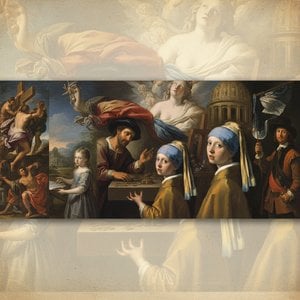
화려함과 극적인 표현이 압권! 바로크 미술을 대표하는 10대 걸작의 숨겨진 이야기를 만나보세요. 베르니니, 루벤스 등 거장의 작품부터 바로크 색감, 예술적 기법까지 – WahooArt.com에서 명품 복제 & 인테리어 영감을 얻으세요! 지금 바로 컬렉션을 탐험해보세요.
 미리보기
미리보기
 공유하기
공유하기 공유하기
공유하기
 상세 정보
상세 정보 가이드 보기

 다운로드
다운로드
 유사 작품 더 보기
 X-레이
X-레이 슬라이드 쇼 보기
 질의응답
질의응답
 통계 정보
통계 정보


 더 보기
더 보기









 유리 옵션은 110cm 미만 크기에서만 선택 가능합니다.


