

작가가 직접 캔버스에 손으로 그린 유화 작품으로, 원하는 크기와 액자로 맞춤 제작해 드립니다. ( 프린트 판매로 전환 디지털 이미지 판매 채널로 전환)
작품의 원본 비율을 그대로 유지하는 프리셋 사이즈 중에서 선택해 보세요.

특정 프레임이나 공간에 맞춰 원하는 크기를 직접 입력하실 수 있습니다. 선택하신 크기가 원본 이미지의 비율과 일치하지 않을 경우, 작품을 자르거나 추가적인 수작업 요소를 더해 그림을 확장하여 제작합니다. 제작 시작 전, 최종 확인을 위해 디지털 목업을 보내드립니다.
화면상의 미리 보기는 실제 크롭(자르기)이나 확장된 상태를 완벽히 반영하지 않을 수 있습니다. 최종 구도는 오직 목업을 통해서만 정확하게 확인하실 수 있습니다.
맞춤 크기 제작도 가능하지만, 원본의 비율을 그대로 유지하기 위해서는 미리 정의된 목록에서 크기를 선택하시는 것을 권장합니다.

Putto
복제본 규격

Johann Georg Pinsel, a name that resonates with the dramatic intensity of the 18th century, stands as a pivotal figure in the artistic landscape of Eastern Galicia. Born around 1715 in Buzău, within the historical region of Galicia—now part of Ukraine—Pinsel’s life and work embody the swirling energy of the Baroque-Rococo transition. Though biographical details regarding his early years remain shrouded in the mists of time, his presence in the art historical canon was powerfully resurrected in 1923 by the scholar Jan Bołoz Antoniewicz. This rediscovery allowed the world to witness a master whose hands breathed life into stone and wood, creating works that capture both divine grace and raw, human emotion.
The essence of Pinsel’s artistry lies in its profound ability to marry the theatricality of the Baroque with the delicate, ornamental flourishes of the Rococo. His style is characterized by an extraordinary sense of movement and a mastery of intricate detail that commands the viewer's attention. Whether working in marble or wood, Pinsel possessed a unique talent for capturing poignant expressions and dynamic compositions. This is perhaps most evident in his religious works, where he utilized dramatic realism to evoke deep spiritual devotion, making the sacred figures feel tangibly present within their architectural settings.
The trajectory of Pinsel’s career was inextricably linked to the patronage of the Polish aristocracy, most notably Mikołaj Bazyli Potocki. As a wealthy and influential figure, Potocki provided the essential resources and ambitious commissions that allowed Pinsel to flourish in the town of Buchach. Under this generous stewardship, Pinsel embarked on monumental projects that would define the cultural heritage of the region. His work for the Potocki family was not merely decorative but served as a profound expression of religious iconography and familial prestige.
Among his most significant achievements are the sculptural elements that continue to haunt and inspire art lovers today. His ability to manipulate medium and form is showcased in several key works:
Though Pinsel’s life was relatively short, ending in 1761, the impact of his creative output remains indelible. His work serves as a vital link to the complex cultural tapestry of the Polish-Lithuanian Commonwealth, bridging the gap between German artistic influences and the local traditions of Galicia. By infusing religious subjects with such visceral energy, he helped create a unique regional identity that persists in the churches and monuments of Ukraine and Poland.
Today, Pinsel is celebrated not just as a skilled craftsman, but as a visionary who could transform cold material into a narrative of faith, myth, and human struggle. His sculptures remain essential touchstones for understanding the evolution of Baroque art in Eastern Europe, standing as enduring monuments to a period of unparalleled artistic splendor.

1715 - 1761 , Galicia

Explore the rich history of sculpture from ancient masterpieces to contemporary innovations. Discover key techniques, influential artists & investment potential for discerning art collectors.

Journey through art history with 10 legendary bronze sculptures – from Michelangelo's David to Rodin’s Thinker. Explore the stories, techniques & timeless beauty of these masterpieces. Find museum-quality reproductions & elevate your home decor on WahooArt.com.

Journey through art history with our Top 10 bronze sculptures! Explore masterpieces by Rodin, Michelangelo & more. Discover stories behind iconic statues and find museum-quality reproductions for your home decor at WahooArt.com.
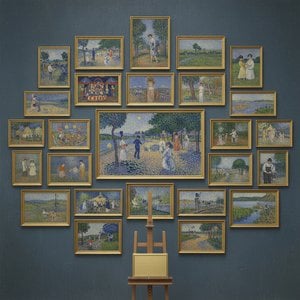
조르주 쇠라의 대표작 25선을 만나보세요. 점묘법의 혁신과 빛, 색채의 아름다움이 담긴 명작들을 감상하고, 인테리어에 예술적인 영감을 더하세요. WahooArt.com에서 고품질 미술 작품을 컬렉션해보세요.
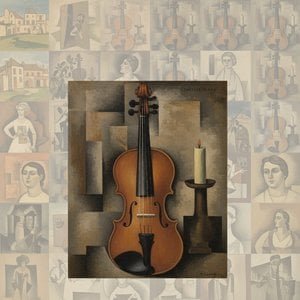
조르주 브라크의 시대를 초월한 25개의 걸작을 만나보세요. 입체주의를 개척한 프랑스 화가의 예술 세계와 숨겨진 이야기를 WahooArt에서 감상하고, 명작 유화 복제본으로 공간에 특별함을 더하세요. 지금 바로 컬렉션을 탐험하세요!

 실제 크기로 보기
 보내기
보내기 공유하기
공유하기
 상세 보기
상세 보기 가이드 보기

 이미지 다운로드
 유사 작품 더 보기
 X-레이
X-레이 슬라이드 쇼 보기
 통계 정보
통계 정보


 상세 보기
상세 보기






































 유리 옵션은 110cm 미만 크기에서만 선택 가능합니다.


