
빠른 제작과 다양한 마감 옵션을 제공하는 박물관 품질의 지클레이 또는 캔버스 프린트. ( 손으로 그린 그림 구매 디지털 이미지로 전환)





























작품의 원본 비율을 유지하는 미리 설정된 크기 중에서 선택하세요.

특정 프레임이나 공간에 맞춰 직접 치수를 입력하실 수 있습니다. 선택하신 사이즈가 원본 이미지의 비율과 일치하지 않을 경우, 작품을 크롭(자르기)하거나 이미지를 대칭 또는 단색 채우기로 확장하여 제작합니다. 제작 시작 전, 최종 확인을 위해 디지털 목업이 전송됩니다.
화면상의 미리보기는 실제 크롭이나 확장 상태를 반영하지 않으므로, 최종 구도는 오직 목업을 통해서만 정확하게 확인하실 수 있습니다.
맞춤 사이즈 제작도 가능하지만, 원본 비율을 유지하기 위해서는 사전 정의된 목록에서 치수를 선택하시는 것을 권장합니다.

White Slave Trade
복제본 크기
In the vast tapestry of Spanish Impressionism, few works possess the haunting, quiet gravity found in Joaquín Sorolla y Bastida’s 1895 masterpiece, “White Slave Trade.” While many remember Sorolla as the "Master of Light," a painter of sun-drenched Mediterranean beaches and vibrant Valencian landscapes, this particular canvas reveals a much more profound and unsettling dimension of his genius. Here, the artist pivots away from the celebratory glow of the Spanish coast to confront the gritty, often overlooked realities of the late 19th century. The painting serves as a poignant window into the era's social struggles, capturing a moment of profound vulnerability that transcends mere documentation to become a timeless study of human fatigue and lost innocence.
The scene unfolds within the cramped, dim confines of a third-class railway carriage, a setting that inherently suggests movement, transition, and the displacement of the marginalized. Within this enclosed space, Sorolla depicts four young women, their bodies slumped in various states of exhausted repose. There is no grand drama or violent upheaval depicted; instead, the power of the work lies in its stillness. The subjects are caught in a heavy, dreamless sleep, their faces stripped of artifice, revealing a raw, unvarnable exhaustion. Through this composition, Sorolla invites the viewer to witness not just a moment in time, but the weight of a systemic hardship that lingers long after the train has passed.
Technically, “White Slave Trade” is a triumph of controlled observation and Impressionistic brilliance. Sorolla utilizes the diffused, pale light filtering through the carriage window to sculpt the forms of the sleeping figures, creating a delicate interplay between shadow and illumination. This light does not merely illuminate; it breathes life into the textures of the fabric, the weary skin, and the metallic atmosphere of the train car. His brushwork, though possessing the rapid, energetic quality characteristic of Impressionism, is applied with a meticulous attention to spatial illusion. He employs subtle glazes and a sophisticated tonal palette to create a sense of depth that pulls the viewer into the very heart of the carriage.
For the discerning collector or interior designer, this piece offers a unique opportunity to introduce a work of immense emotional depth and technical sophistication into a curated space. The painting’s ability to balance somber subject matter with exquisite formal beauty makes it a captivating focal point. It does not merely decorate a wall; it commands attention through its atmospheric complexity. A high-quality reproduction of this work allows the subtle nuances of Sorolla's light—the way it catches the edge of a sleeve or softens a cheekbone—to be appreciated, bringing a sense of historical weight and artistic prestige to any sophisticated interior.
Beyond its aesthetic merits, “White Slave Trade” stands as a testament to Sorolla’s commitment to social realism. During the decade spanning 1890 to 1899, Sorolla explored themes that challenged the idealized narratives of his contemporaries. By choosing to focus on the plight of these young women, he utilized his mastery of light to shine a spotlight on the shadows of society. The painting functions as a silent protest, using the beauty of the medium to demand empathy for the subject. It is this rare combination of technical virtuosity and profound social conscience that ensures Sorolla’s place in the pantheon of great masters, offering timeless inspiration to those who find beauty in the truth of the human condition.


1863 - 1923 , 스페인

Explore the profound drama of Spanish Baroque art. Delve into the mastery of light, shadow, and realism through the legendary works of Diego Velázquez and the Spanish Golden Age.
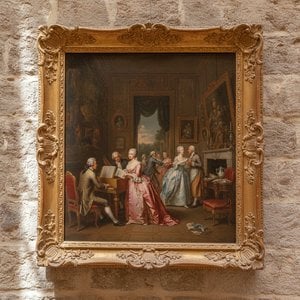
Explore the profound beauty of genre painting. From Dutch Golden Age masters to global traditions, discover how artists capture the essence of everyday life through masterful realism and timeless storytelling.

Embark on a sophisticated exploration of Spanish art history, from the chiaroscuro mastery of Velázquez to the profound shadows of Goya. Discover how the dramatic light and emotional depth of Spain's greatest masters continue to inspire collectors and connoisseurs today.

Embark on a visual journey through the radiant sunlight of Joaquín Sorolla's masterpieces. Discover the brilliance of Spanish Impressionism and learn how to bring this luminous legacy into your home with museum-quality, hand-painted oil reproductions from WahooArt.


 미리보기
미리보기
 공유하기
공유하기 공유하기
공유하기
 상세 정보
상세 정보

 다운로드
다운로드
 유사 작품
유사 작품 X-레이
X-레이 슬라이드 쇼
 통계 정보
통계 정보


 더 보기
더 보기









 유리 옵션은 110cm 미만 크기에서만 선택 가능합니다.


