

 Oil On CanvasWallArtCubism and Fauvism
 1916Modern
 77.0 x 74.0 cm
빠른 제작과 다양한 마감 옵션을 제공하는 박물관 품질의 지클레이 또는 캔버스 프린트. ( 손으로 그린 그림 구매 Switch to Digital Image)





























작품의 원본 비율을 유지하는 미리 설정된 크기 중에서 선택하세요.

특정 프레임이나 공간에 맞춰 직접 치수를 입력하실 수 있습니다. 선택하신 사이즈가 원본 이미지의 비율과 일치하지 않을 경우, 작품을 크롭(자르기)하거나 이미지를 대칭 또는 단색 채우기로 확장하여 제작합니다. 제작 시작 전, 최종 확인을 위해 디지털 목업이 전송됩니다.
화면상의 미리보기는 실제 크롭이나 확장 상태를 반영하지 않으므로, 최종 구도는 오직 목업을 통해서만 정확하게 확인하실 수 있습니다.
맞춤 사이즈 제작도 가능하지만, 원본 비율을 유지하기 위해서는 사전 정의된 목록에서 치수를 선택하시는 것을 권장합니다.

Still Life with Rose
복제본 크기
Joan Miró’s “Still Life with Rose,” painted in 1916, isn't merely a depiction of objects; it’s an invitation into the artist’s subconscious. Emerging from the vibrant crucible of early 20th-century Barcelona, this oil on cardboard work embodies the revolutionary spirit of Fauvism and foreshadows the playful abstraction that would define Miró’s entire career. The painting immediately captivates with its bold palette – a symphony of greens, reds, and yellows—a deliberate departure from the muted tones favored by earlier generations. It's a visual declaration of emotion, prioritizing feeling over strict representation.
At first glance, the composition appears deceptively simple: a bottle of wine dominates the left foreground, its dark hue contrasting sharply with the luminous rose positioned centrally. Scattered amongst these key elements are several leaves, their delicate forms adding a touch of organic grace to the otherwise geometric arrangement. However, closer inspection reveals a deliberate distortion of reality. The bottle isn’t rendered realistically; instead, it's fragmented and simplified, echoing the Cubist exploration of form that was gaining momentum at the time. Similarly, the rose—a symbol of love, beauty, and fleeting life—is presented with an almost childlike directness, its petals boldly outlined against a vibrant background.
Miró’s “Still Life with Rose” is firmly rooted in the tenets of Fauvism, a movement that prioritized color as the primary means of expression. Artists like Henri Matisse and André Derain had shattered traditional artistic conventions by using pure, unmixed colors—often applied with loose, expressive brushstrokes—to evoke emotion rather than accurately depict reality. Miró embraced this approach wholeheartedly, injecting his Catalan heritage into the painting’s vibrant energy. The use of intense hues and simplified forms can be seen as a reflection of Barcelona's bustling street life and its rich artistic traditions, particularly the work of Antoni Gaudí, whose organic architecture profoundly influenced Miró’s visual vocabulary.
The influence of Cubism is also undeniable. Like Pablo Picasso and Georges Braque, Miró experimented with breaking down objects into geometric shapes and presenting them from multiple viewpoints simultaneously. This technique creates a sense of dynamism and movement within the painting, inviting the viewer to actively engage with the artwork and reconstruct its meaning.
While superficially resembling a traditional still life, “Still Life with Rose” is laden with symbolic weight. The wine bottle, often associated with celebration and indulgence, hints at themes of pleasure and perhaps even excess. The rose, as previously mentioned, represents love and beauty but also carries connotations of mortality—a poignant reminder of the ephemeral nature of existence. The scattered leaves suggest a connection to nature and the cyclical rhythms of life and death.
Miró himself often described his work as an attempt to capture “the dream,” drawing inspiration from memories, emotions, and subconscious imagery. In this painting, he seems to be inviting us into that dreamlike realm, where familiar objects are transformed and imbued with new meaning. The overall effect is one of both serenity and mystery—a testament to Miró’s ability to distill complex emotions into a deceptively simple composition.
“Still Life with Rose” stands as a pivotal work in Joan Miró’s artistic development, marking a crucial transition from his early figurative paintings to the more abstract and symbolic works that would define his later career. Its bold colors, fragmented forms, and evocative symbolism paved the way for subsequent art movements, including Expressionism and Surrealism. The painting's influence can be seen in countless contemporary artists who continue to explore the expressive potential of color and form.
Today, “Still Life with Rose” is held within a private collection, offering rare glimpses into Miró’s creative process. Reproductions of this captivating artwork are available through platforms like WahooArt.com, allowing art enthusiasts worldwide to experience the power and beauty of Miró's vision. For those seeking a deeper understanding of this remarkable painting and the artist behind it, resources such as Wikipedia and the Fundació Joan Miró in Barcelona offer invaluable insights.

1893 - 1983 , 스페인

Explore the rich history of still life painting with WahooArt. Discover Dutch Masters, decode vanitas symbolism & learn about collecting timeless art. Expert insights and museum-quality reproductions.
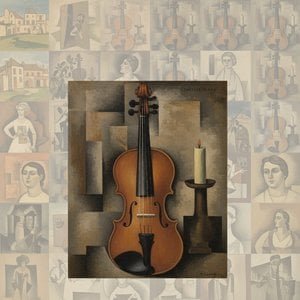
조르주 브라크의 시대를 초월한 25개의 걸작을 만나보세요. 입체주의를 개척한 프랑스 화가의 예술 세계와 숨겨진 이야기를 WahooArt에서 감상하고, 명작 유화 복제본으로 공간에 특별함을 더하세요. 지금 바로 컬렉션을 탐험하세요!

고전 정물화부터 현대 추상 미술까지, 빌라 공간을 품격 있게 변화시키는 예술 작품 선택 가이드 및 맞춤 제작 서비스 제공합니다. 아트 컨설팅으로 나만의 개성을 담은 럭셔리 인테리어를 완성하고 투자 가치까지 높여보세요.

호안 미로의 최고 걸작 25선을 만나보세요. 꿈과 상상의 세계를 담은 추상 미술 작품들의 탄생 비화와 예술적 의미를 탐구합니다. WahooArt.com에서 고품질 미로 그림을 감상하고, 공간에 특별한 색채를 더해보세요! 지금 바로 컬렉션을 확인하세요.
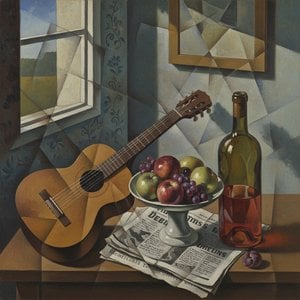
Explore the revolutionary world of Cubist Still Life with WahooArt. Discover Picasso & Braque's groundbreaking techniques, its philosophical roots, and lasting impact on modern art. Expert insights for collectors.

 미리보기
미리보기
 공유하기
공유하기 공유하기
공유하기
 상세 정보
상세 정보

 다운로드
다운로드
 유사 작품
유사 작품 X-레이
X-레이 슬라이드 쇼
 Stats
Stats 더 보기
더 보기









 유리 옵션은 110cm 미만 크기에서만 선택 가능합니다.


