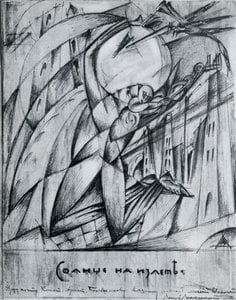
이 페이지에 표시된 작품은 저작권법의 보호를 받으며, 이에 따라 동일한 복제품을 제작하거나 판매하는 것은 법으로 금지되어 있습니다. 이러한 권리 보호는 다음과 같은 국제 협약에 따라 시행됩니다. 베른 협약 또한 다음에서 명시하는 법률을 포함한 국내법에 의해 보호됩니다. 미국 저작권법 제17조.
저희는 존중을 담은 합법적인 대안으로서, 원작에서 영감을 받은 맞춤형 수제 유화 작품을 제공합니다. 저희의 숙련된 전문 화가들은 원작의 스타일, 분위기, 예술적 정수를 면밀히 연구하여, 그 자체로 독창적인 창작물이면서도 원작과 동일한 감동을 불러일으키는 새로운 작품을 만들어냅니다.
이 방식은 저작권 보호를 받는 예술 작품을 복제하거나 그대로 재현하는 것이 아니기에 저작권 규정을 완벽히 준수합니다. 대신, 이는 창의적인 재해석의 과정을 거칩니다. 즉, 원작에서 영감을 받되 원작과 동일하지 않은 새로운 회화 작품을 의미합니다.
작가가 직접 캔버스에 손으로 그린 유화 작품으로, 원하는 크기와 액자로 맞춤 제작해 드립니다. ( 프린트 판매로 전환 디지털 이미지 판매 채널로 전환)
작품의 원본 비율을 그대로 유지하는 프리셋 사이즈 중에서 선택해 보세요.

액자나 벽면 크기에 맞춰 필요한 가로와 세로 길이를 입력해 주세요. 본 작품은 수작업으로 제작되므로, 요청하신 비율에 따라 작가가 그림의 가장자리를 조금 더 넓게 그리거나 일부를 조정하여 작업할 수 있습니다. 작업 시작 전, 최종 확인을 위해 디지털 목업 이미지를 보내드립니다. 이 페이지에 표시된 이미지는 실제 결과물과 다를 수 있으며, 오직 목업 이미지만이 정확한 결과물을 보여줍니다.
Inner View
복제본 규격

Born in Greensboro, North Carolina, in 1918, Jefferson Eugene Grigsby Jr., later known simply as J.E. Grigsby, was more than just an artist; he was a multifaceted educator, social advocate, and a pivotal figure in bridging artistic traditions across continents. His life’s work, spanning nearly eight decades, is characterized by bold abstract expressionism interwoven with deep-seated commitments to social justice and the celebration of diverse cultural heritages. Grigsby's journey, marked by rigorous academic pursuits and profound engagement with both the art world and his community, ultimately cemented his place as a significant voice in American art history.
Grigsby’s early life instilled within him a deep appreciation for visual expression. Growing up amidst the vibrant cultural landscape of Charlotte, North Carolina, he discovered his passion for art at the tender age of twelve after visiting a neighbor's home and witnessing the walls adorned with works of art. This encounter, facilitated by a stonemason and painter who took him under their wing, ignited a lifelong pursuit. Despite his father’s initial skepticism about a career in art, Grigsby’s mother wholeheartedly supported his artistic aspirations, recognizing the burgeoning talent within her son. His formal education began at Johnson C. Smith University before he transferred to Morehouse College in Atlanta, where he studied under the renowned social activist and artist Hale Woodruff – an influence that would profoundly shape his artistic vision.
Grigsby’s artistic style evolved through a rich tapestry of influences. The spirit of the Harlem Renaissance, with its celebration of African American culture and identity, served as a foundational element in his work. However, Grigsby's vision extended far beyond this singular movement. He was deeply impacted by the art of indigenous cultures from North America, Africa, and South America, particularly the Kuba people of the Congo. His doctoral thesis at New York University explored the parallels between the masks of the Kwakiutl Tribe and the Kuba people, demonstrating a keen interest in cross-cultural artistic traditions and their symbolic significance. This research journey broadened his understanding of art as a universal language, transcending geographical boundaries.
Furthermore, Grigsby’s travels as a Fulbright Fellow throughout Africa, South America, Asia, and Europe proved transformative. These experiences exposed him to a vast array of artistic practices and perspectives, solidifying his belief in the interconnectedness of human cultures. He meticulously documented these encounters, incorporating elements of diverse aesthetics into his teaching methods and ultimately informing the themes explored within his paintings. His work became a testament to this global perspective, reflecting a deep respect for cultural heritage and a commitment to fostering cross-cultural understanding.
Grigsby’s art was not merely aesthetically pleasing; it carried a powerful social message. Throughout his career, he consistently addressed issues of social justice, inequality, and the plight of marginalized communities. His paintings often depicted scenes of hardship, poverty, and systemic oppression, serving as visual commentaries on the realities faced by many Americans. Works like “Will Work for Food” and “Job Seekers” powerfully conveyed the struggles of those struggling to survive in a rapidly changing world.
Beyond his artistic practice, Grigsby was deeply committed to community engagement. He recognized the transformative power of art education and actively sought opportunities to share his knowledge and passion with young people. His tenure at Carver High School in Phoenix, Arizona, where he served as Art Department Chair for eight years, provided a platform for nurturing talent and fostering creativity within the local community. He also established COBA (Consortium of Black Artists and Others for the Arts), an organization dedicated to supporting minority artists and promoting cultural diversity through art exhibitions and educational programs. His dedication extended to initiatives like “Arts in Job Development,” which utilized artistic expression as a tool for vocational training and empowerment.
Jefferson Eugene Grigsby Jr.’s impact extends far beyond his individual artwork. He was a pioneering figure in art education, advocating for the inclusion of diverse cultural perspectives within curricula. His 1977 book, *Art & Ethnics*, remains a seminal work in the field, emphasizing the importance of understanding and appreciating the rich tapestry of human cultures through artistic exploration. Grigsby’s commitment to fostering inclusivity and promoting cross-cultural dialogue continues to resonate today.
Grigsby's life exemplified a rare combination of artistic talent, intellectual curiosity, and unwavering social conscience. He passed away in 2013 at the remarkable age of 94, leaving behind a legacy that celebrates both the beauty of art and the importance of using creativity as a force for positive change. His work stands as a testament to his belief that art can be a powerful tool for understanding ourselves, our communities, and the world around us.

1918 - 2013 , United States of America

 실제 크기로 보기
 보내기
보내기 공유하기
공유하기
 상세 보기
상세 보기 가이드 보기

 이미지 다운로드
 유사 작품 더 보기
 X-레이
X-레이 슬라이드 쇼 보기
 통계 정보
통계 정보

 상세 보기
상세 보기






































 유리 옵션은 110cm 미만 크기에서만 선택 가능합니다.