x


 Expressionism
 1959
1959 66.0 x 50.0 cm
빠른 제작과 다양한 마감 옵션을 제공하는 박물관 품질의 지클레이 또는 캔버스 프린트. ( 손으로 그린 그림 구매 이미지 구매)
작품의 원본 비율을 유지하는 미리 설정된 크기 중에서 선택하세요.

특정 프레임이나 공간에 맞춰 직접 치수를 입력하실 수 있습니다. 선택하신 사이즈가 원본 이미지의 비율과 일치하지 않을 경우, 작품을 크롭(자르기)하거나 이미지를 대칭 또는 단색 채우기로 확장하여 제작합니다. 제작 시작 전, 최종 확인을 위해 디지털 목업이 전송됩니다.
화면상의 미리보기는 실제 크롭이나 확장 상태를 반영하지 않으므로, 최종 구도는 오직 목업을 통해서만 정확하게 확인하실 수 있습니다.
맞춤 사이즈 제작도 가능하지만, 원본 비율을 유지하기 위해서는 사전 정의된 목록에서 치수를 선택하시는 것을 권장합니다.

Waiting (Attente)
복제본 크기
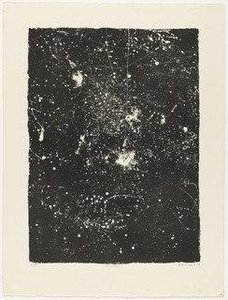
Jean Philippe Arthur Dubuffet’s “Waiting (Attente),” created in 1959, is a striking monochrome print that invites contemplation and evokes a profound sense of unease. This work exemplifies Dubuffet’s pioneering role in the development of *Art Brut*, or "raw art," a movement he himself defined as art produced outside the established academic traditions.
This print, likely created using woodcut or linocut techniques, showcases a deliberate and textured aesthetic. The composition is dominated by a large central square filled with dense clusters of small white dots against a stark black background. This interplay of light and dark creates an immediate visual tension. The technique itself is integral to the artwork’s meaning. Dubuffet intentionally embraced the imperfections inherent in printmaking—the unevenness, the slight variations in ink density—to convey a sense of immediacy and authenticity. Notice how lines are implied through the varying density of these dots, suggesting darker regions with thicker concentrations. The overall effect is not one of precise representation but rather an exploration of texture and tonal relationships.
“Waiting (Attente)” transcends mere visual appeal; it delves into deeper psychological territory. The artwork’s symbolism remains open to interpretation, which is characteristic of Dubuffet's approach. The dense black area can be seen as representing the hidden depths of the human psyche—emotions suppressed or complexities unexplored. Conversely, the scattered white dots might symbolize fleeting moments of clarity, awareness, or even hope amidst a prevailing sense of darkness and uncertainty. The title itself, "Waiting," suggests a state of anticipation, perhaps for something unknown or inevitable. This ambiguity is key to the work’s enduring power.
Dubuffet created “Waiting (Attente)” during a period of significant artistic experimentation in post-war Europe. Rejecting traditional notions of beauty and skill, he sought inspiration from sources outside the art world—children’s drawings, folk art, and even graffiti. *Art Brut* aimed to capture an unfiltered expression of human experience, free from intellectual or academic constraints. Dubuffet's work challenged the established norms of the art world, paving the way for new forms of abstract expressionism and influencing subsequent generations of artists. His embrace of unconventional materials and techniques reflected a broader cultural shift towards authenticity and raw emotion.
“Waiting (Attente)” is not an artwork that offers easy answers or comforting resolutions. Instead, it evokes a feeling of unease, contemplation, and mystery. The stark contrast between light and dark, combined with the textured surface, creates a visually arresting experience that lingers in the mind. Despite its abstract nature, this print possesses remarkable decorative potential. Its monochrome palette lends itself to a variety of interior design schemes—from minimalist modern spaces to more eclectic environments seeking a touch of dramatic intensity. A reproduction of "Waiting (Attente)" can serve as a powerful focal point, sparking conversation and adding depth to any space.


1901 - 1985 , 프랑스

추상표현주의의 심장을 뛰게 한 10대 걸작을 만나보세요. 폴록, 로스코 등 거장의 작품 비하인드 스토리와 예술적 영감을 WahooArt에서! 지금 바로 미술품 컬렉션을 탐험하고, 당신의 공간에 특별한 예술적 감성을 더하세요. WahooArt.com

Journey through Wassily Kandinsky's 25 most iconic abstract paintings. Explore his revolutionary use of color, form & spiritual expressionism. Find museum-quality Kandinsky reproductions and elevate your home decor with WahooArt.com. Discover all masterpieces on WahooArt.com!

Explore 10 iconic paintings dominated by black tones, from Rembrandt’s chiaroscuro to Goya's dark expressions. Discover the stories behind these masterpieces & find museum-quality art reproductions for your home at .

몬드리안, 말레비치 등 거장들의 기하학적 추상 미술 명작 10선을 만나보세요. 각 작품의 예술사적 의미와 색채, 구성을 탐구하고 WahooArt.com에서 고품질 아트 프린트를 소장하세요. 지금 바로 온라인 컬렉션을 확인하세요!

Explore the profound emotional depth of Lyrical Abstraction. Discover how masters like Raymond Parker used color and form to bridge Impressionism and Abstract Expressionism. Learn about this pivotal movement through our expert-led art history guide.


최신 미술 뉴스, 특별 혜택 및 인테리어 아이디어를 가장 먼저 만나보세요.
프로젝트에 대해 알려주시면 저희 미술 전문가들이 맞춤형 아트 제안 3가지를 전달해 드립니다.
당신만을 위한 맞춤형 옵션 3가지를 무료로 추천해 드립니다!


 미리보기
미리보기
 공유하기
공유하기 공유하기
공유하기
 상세 정보
상세 정보

 다운로드
다운로드
 유사 작품
유사 작품 X-레이
X-레이 슬라이드 쇼
 더 보기
더 보기






































 유리 옵션은 110cm 미만 크기에서만 선택 가능합니다.


![Abstract Composition [triptych] — Vaclav Vytlacil, Abstract Expressionism](/media/artworks/images-thumb/08/3c/083c0675045645fd42d4e6c6d63f1ced.jpg)