


빠른 제작과 다양한 마감 옵션을 제공하는 박물관 품질의 지클레이 또는 캔버스 프린트. ( 손으로 그린 그림 구매 이미지 구매)
작품의 원본 비율을 유지하는 미리 설정된 크기 중에서 선택하세요.

특정 프레임이나 공간에 맞춰 직접 치수를 입력하실 수 있습니다. 선택하신 사이즈가 원본 이미지의 비율과 일치하지 않을 경우, 작품을 크롭(자르기)하거나 이미지를 대칭 또는 단색 채우기로 확장하여 제작합니다. 제작 시작 전, 최종 확인을 위해 디지털 목업이 전송됩니다.
화면상의 미리보기는 실제 크롭이나 확장 상태를 반영하지 않으므로, 최종 구도는 오직 목업을 통해서만 정확하게 확인하실 수 있습니다.
맞춤 사이즈 제작도 가능하지만, 원본 비율을 유지하기 위해서는 사전 정의된 목록에서 치수를 선택하시는 것을 권장합니다.

Jesus at the Tomb
복제본 크기
Jean-Jacques Henner’s "Jesus at the Tomb" is a profoundly moving work that captures a moment of quiet contemplation following Christ's crucifixion. The artwork depicts a nude male figure lying supine on a dark surface, bathed in dramatic lighting that emphasizes his vulnerability and mortality. This piece isn't a depiction of resurrection; rather, it focuses on the stillness and solemnity of death, inviting viewers to reflect upon themes of loss, sacrifice, and spiritual reflection.
"Jesus at the Tomb" exemplifies Henner’s mastery of both Romantic and Symbolist artistic currents. The dramatic lighting – a hallmark of Romanticism – creates strong contrasts between illuminated areas and deep shadows, heightening the emotional intensity of the scene. The emphasis on the human figure as a subject of contemplation aligns with Symbolist ideals, prioritizing emotional depth over strict realism. Henner’s technique involves broad brushstrokes applied with oil paints, resulting in a textured surface that adds to the work's tactile quality and visual richness. The use of sfumato, a technique characterized by subtle gradations of tone, softens the edges and creates an ethereal atmosphere.
The composition is predominantly horizontal, drawing attention to the body’s form and its relationship with the surrounding darkness. The flattened perspective prioritizes emotional impact over spatial accuracy. The nude figure itself symbolizes vulnerability and humanity, stripped bare of earthly power and glory. The enveloping shadows represent not only physical darkness but also a sense of isolation and introspection. The absence of other figures reinforces this feeling of solitude, focusing solely on the profound stillness of death. The organic lines following the curves of the body contribute to the overall sense of naturalism and emotional resonance.
Henner (1829-1905) was a prominent French painter known for his nudes, religious subjects, and portraits. He studied under Michel Martin Drolling and François-Édouard Picot before entering the École des Beaux-Arts in Paris. His work frequently explored themes of mortality and spirituality, often employing dramatic lighting and expressive figures to evoke powerful emotions. "Jesus at the Tomb" is considered one of his most significant works, demonstrating his ability to blend technical skill with profound emotional depth. The painting reflects a broader artistic trend in 19th-century France towards exploring religious subjects through a lens of Romantic sensibility and Symbolist introspection.


1829 - 1905 , 프랑스

Discover the captivating world of Yvonne Jean Haffen, a leading figure in post-war French abstraction. Explore her unique style, vibrant color palettes, and investment potential with WahooArt.

Explore the captivating world of Jean-Louis Forain, a master Impressionist chronicler of Belle Époque Paris. Discover his satirical paintings, realistic scenes & lasting legacy. Learn about collecting Forain's art today!
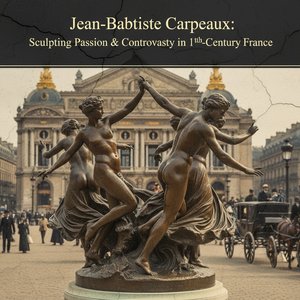
Explore the passionate life & controversial works of Jean-Baptiste Carpeaux, a leading French sculptor of the Second Empire. Discover his realism, iconic sculptures like 'Ugolino,' and lasting legacy as a precursor to Rodin.

Explore the captivating world of Jean-Baptiste Pater, a master of Rococo painting. Discover his elegant *fête galante* scenes and shimmering portraits – a glimpse into 18th-century French aristocracy. Learn about his legacy & find high-quality reproductions.

Discover the captivating world of Jean-Antoine Watteau, master of the Fête Galante! Explore his iconic paintings, symbolism, and lasting influence on Rococo art. A deep dive for classic art enthusiasts.


 미리보기
미리보기
 공유하기
공유하기 공유하기
공유하기
 상세 정보
상세 정보

 다운로드
다운로드
 유사 작품
유사 작품 X-레이
X-레이 슬라이드 쇼
 더 보기
더 보기






































 유리 옵션은 110cm 미만 크기에서만 선택 가능합니다.


