
 Acrylic On CanvasWallArtRococo
 1785
1785 34.0 x 43.0 cm
 슈테델 미술관
원하는 크기와 액자로 주문 제작되는, 작가들이 직접 캔버스에 손으로 그린 유화 작품입니다. ( 프린트 판매로 전환 디지털 이미지로 전환)





























작품의 원본 비율을 유지하는 미리 설정된 크기 중에서 선택하세요.

특정 프레임이나 공간에 맞도록 직접 크기를 입력할 수 있습니다. 선택하신 크기가 원본 이미지의 비율과 일치하지 않는 경우, 작품을 자르거나 추가적인 손으로 그린 요소를 사용하여 그림을 확장합니다. 제작 시작 전 승인을 위해 디지털 목업을 보내드립니다.
화면 미리 보기는 실제 자르기 또는 확장을 반영하지 않습니다. 최종 구성은 목업을 통해서만 정확하게 확인하실 수 있습니다.
맞춤 크기 제작도 가능하지만, 원본 비율을 유지하기 위해 사전 정의된 목록에서 크기를 선택하시는 것을 권장합니다.

The Competition
복제본 크기
Jean-Honoré Fragonard's "The Competition," painted around 1780-1785, isn’t merely a depiction of a social gathering; it’s a vibrant snapshot of the burgeoning Rococo era, brimming with playful observation and subtle eroticism. Captured in delicate pastel hues and executed with his signature loose brushwork, the scene unfolds within a richly appointed interior – likely a salon belonging to the influential Duc de Chabot – where a group of elegantly dressed individuals are engaged in a spirited contest. The painting immediately draws the eye, not through dramatic action, but through the palpable sense of shared intensity radiating from each participant. It’s a tableau vivant, frozen in a moment of intellectual and social engagement, hinting at unspoken desires and competitive spirit.
Fragonard masterfully employs light to guide our gaze. A warm, diffused glow illuminates the figures, casting soft shadows that accentuate their postures and expressions. Notice how he uses highlights to draw attention to details – the intricate folds of a gown, the focused concentration on a child’s face, the subtle gestures of amusement or frustration. This careful manipulation of light isn't just aesthetic; it contributes significantly to the painting’s overall atmosphere, creating an illusion of depth and inviting us into this intimate scene.
To fully appreciate “The Competition,” one must understand the context of its creation – the height of the Rococo period. This era, characterized by a rejection of rigid formality in favor of elegance, pleasure, and sensuality, profoundly influenced Fragonard’s artistic style. The setting itself is crucial: the opulent interior, with its richly colored fabrics, ornate furniture, and carefully arranged details, speaks to the wealth and sophistication of the patrons who commissioned such works. The presence of two clocks – one on the wall, the other closer to the foreground – subtly underscores the theme of time and competition, adding a layer of complexity to the scene.
Furthermore, the painting reflects the social dynamics of the time. The gathering is not simply a casual meeting; it’s a carefully orchestrated display of status and wit. The children, engrossed in their reading and writing exercises, represent the next generation being groomed for positions of power and influence. The adults, observing their efforts with amusement and encouragement, embody the values of patronage and social obligation. It's a microcosm of 18th-century French society – a world where appearances mattered, and social interactions were often laden with hidden meanings.
While outwardly appearing to be a scene of intellectual pursuit, “The Competition” is rife with subtle symbolism. The children’s engagement in reading and writing can be interpreted as a metaphor for the acquisition of knowledge and social skills – essential tools for navigating the complexities of aristocratic life. However, Fragonard doesn't shy away from hinting at more playful interpretations. The glances exchanged between the figures, the suggestive postures, and the overall atmosphere of flirtation suggest an underlying current of desire and intrigue.
The painting’s title itself is deliberately ambiguous. Is it a genuine competition, or merely a pretext for social interaction and veiled courtship? Fragonard leaves this question open to interpretation, inviting viewers to engage with the scene on multiple levels. The artist's skill lies in his ability to create an image that is both visually appealing and intellectually stimulating – a testament to the enduring power of Rococo art.
Reproductions of “The Competition” offer a remarkable opportunity to experience Fragonard’s artistry firsthand. WahooArt's hand-painted reproductions capture the delicate brushwork, vibrant colors, and nuanced details of the original painting with exceptional fidelity. Whether displayed in a grand salon or a cozy study, this captivating artwork will undoubtedly serve as a conversation starter and a source of aesthetic pleasure for years to come. Consider commissioning a reproduction – a tangible connection to a pivotal moment in art history.


1732 - 1806 , 프랑스

Discover the breathtaking elegance of Rococo portraiture. Explore an expert guide to 18th-century mastery, from pastel palettes to aristocratic grandeur, and learn how to bring this era of opulence into your home through museum-quality oil reproductions.
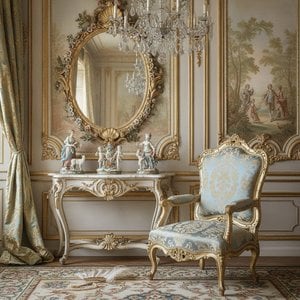
Discover the exquisite allure of Rococo art. Explore a curated guide to 18th-century French masterpieces, from Watteau to Fragonard, and learn how hand-painted oil reproductions can bring timeless elegance and luxury to your sophisticated interior design collection.

Immerse yourself in the splendor of Rococo art. Discover the era of elegance through masterworks by Watteau and Fragonard. Explore themes of romance, aristocratic leisure, and gilded ornamentation in this definitive guide to 18th-century French opulence.


 미리보기
미리보기
 공유하기
공유하기 공유하기
공유하기
 상세 정보
상세 정보 가이드 보기

 다운로드
다운로드
 유사 작품
유사 작품 X-레이
X-레이 슬라이드 쇼
 통계 정보
통계 정보 더 보기
더 보기









 유리 옵션은 110cm 미만 크기에서만 선택 가능합니다.


