
원하는 크기와 액자로 주문 제작되는, 작가들이 직접 캔버스에 손으로 그린 유화 작품입니다. ( 프린트 판매로 전환 디지털 이미지로 전환)





























작품의 원본 비율을 유지하는 미리 설정된 크기 중에서 선택하세요.

특정 프레임이나 공간에 맞도록 직접 크기를 입력할 수 있습니다. 선택하신 크기가 원본 이미지의 비율과 일치하지 않는 경우, 작품을 자르거나 추가적인 손으로 그린 요소를 사용하여 그림을 확장합니다. 제작 시작 전 승인을 위해 디지털 목업을 보내드립니다.
화면 미리 보기는 실제 자르기 또는 확장을 반영하지 않습니다. 최종 구성은 목업을 통해서만 정확하게 확인하실 수 있습니다.
맞춤 크기 제작도 가능하지만, 원본 비율을 유지하기 위해 사전 정의된 목록에서 크기를 선택하시는 것을 권장합니다.

thalys
복제본 크기
Jean-François Millet's “Thalys” is more than just a depiction of a woman working in a field; it’s a poignant meditation on the dignity and hardship inherent within rural life, rendered with an unflinching realism that cemented Millet’s place as a pivotal figure in the Realist movement. Painted during a period of profound social and economic transformation in 19th-century France – a nation grappling with industrialization and urbanization – Millet chose to focus on the lives of the peasantry, offering a stark contrast to the idealized portrayals prevalent at the time. The painting’s power lies not in grand narratives or heroic figures, but in the quiet intensity of a single woman engaged in her daily toil.
The central subject is a woman, identified as “Thalys,” laboring in a field. Her posture, with hands gripping a large stick, suggests an act of digging or preparing the ground – perhaps for planting or tending to crops. The composition is deliberately unadorned, emphasizing the raw physicality of her task and the vastness of the landscape surrounding her. Several other figures are present, engaged in similar activities, creating a sense of community and shared labor. Millet’s masterful use of perspective draws the viewer into this scene, fostering an immediate connection with the subjects.
Millet's style is characterized by its meticulous attention to detail and his commitment to portraying the world as he saw it – without romantic embellishment. Executed in a restrained palette of earthy tones—ochres, browns, and greens—the painting reflects the muted colors of the rural landscape. His brushwork is deliberately visible, conveying a sense of texture and immediacy. The figures are rendered with an almost sculptural quality, emphasizing their physical strength and resilience. This technique aligns perfectly with the tenets of Realism, which sought to depict everyday life accurately and honestly, rejecting idealized or allegorical representations.
"Thalys" speaks volumes about the social conditions of Millet’s time. Born in 1814 in Gruchy, France, Millet's upbringing was inextricably linked to the rhythms of agricultural life. His paintings are not simply representations of rural labor; they are a testament to the enduring spirit and dignity of those who worked the land. The image resonates with broader themes of social inequality and the displacement of traditional ways of life as industrialization gained momentum. It’s a quiet but powerful statement about the human cost of progress.
The painting's enduring appeal lies in its ability to evoke empathy and contemplation. Millet doesn’t offer judgment or sentimentality; he simply presents us with a scene of honest labor, inviting us to consider the lives of those who sustained society. “Thalys” remains a cornerstone of Realist art, influencing generations of artists who sought to capture the essence of everyday life with unflinching honesty and profound respect. WahooArt’s hand-painted reproductions faithfully recreate Millet's vision, allowing you to experience the emotional depth and artistic significance of this iconic work firsthand.


1814 - 1875 , 프랑스

존 컨스터블 대표작 25선을 만나보세요. 영국 풍경화 거장의 자연주의 회화, 데담 밸리의 아름다움과 헤이 웨인의 정취를 담은 명화를 감상하세요. WahooArt에서 고품질 예술 작품 복제본을 소장하고 특별한 인테리어를 완성해보세요. 지금 바로 컬렉션을 탐험하세요!

Explore the life & work of Jean-François Millet, a founder of Realism. Discover his poignant depictions of rural France, iconic paintings like 'The Angelus,' and lasting influence on art history. Learn more at WahooArt.

Explore 10 defining masterpieces of Romantic Realism! Discover Courbet, Millet & Daumier's powerful paintings—capturing emotion and social realities. Find museum-quality reproductions for your home at WahooArt.com.

Explore the captivating world of 19th-century landscape painting! Discover renowned artists like Friedrich & Monet, key movements, and find the perfect artwork to bring nature's serenity into your home. Expert insights at WahooArt.
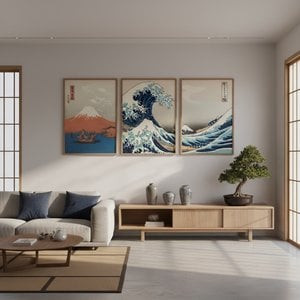
가츠시카 호쿠사이의 최고 걸작 25선을 만나보세요. 우키요에, 대판화 기법과 후지산 풍경의 아름다움을 담은 명작들을 감상하고, WahooArt에서 고품질 아트 프린트와 인테리어 액자를 찾아보세요. 지금 바로 컬렉션을 탐험하세요!


 미리보기
미리보기
 공유하기
공유하기 공유하기
공유하기
 상세 정보
상세 정보 가이드 보기

 다운로드
다운로드
 유사 작품
유사 작품 X-레이
X-레이 슬라이드 쇼
 통계 정보
통계 정보

 더 보기
더 보기









 유리 옵션은 110cm 미만 크기에서만 선택 가능합니다.


