
빠른 제작과 다양한 마감 옵션을 제공하는 박물관 품질의 지클레이 또는 캔버스 프린트. ( 손으로 그린 그림 구매 디지털 이미지로 전환)





























작품의 원본 비율을 유지하는 미리 설정된 크기 중에서 선택하세요.

특정 프레임이나 공간에 맞춰 직접 치수를 입력하실 수 있습니다. 선택하신 사이즈가 원본 이미지의 비율과 일치하지 않을 경우, 작품을 크롭(자르기)하거나 이미지를 대칭 또는 단색 채우기로 확장하여 제작합니다. 제작 시작 전, 최종 확인을 위해 디지털 목업이 전송됩니다.
화면상의 미리보기는 실제 크롭이나 확장 상태를 반영하지 않으므로, 최종 구도는 오직 목업을 통해서만 정확하게 확인하실 수 있습니다.
맞춤 사이즈 제작도 가능하지만, 원본 비율을 유지하기 위해서는 사전 정의된 목록에서 치수를 선택하시는 것을 권장합니다.

La lessiveuse
복제본 크기
Jean-François Millet's "La Lessiveuse" (The Washerwoman) is more than just a depiction of a woman at work; it’s a profound meditation on the dignity and hardship of rural life in 19th-century France. Painted in 1849, this iconic scene captures a moment of quiet intensity within a humble kitchen, offering viewers an intimate glimpse into the daily existence of a peasant family. The painting's enduring power lies not just in its subject matter but also in Millet’s masterful Realist technique and his ability to imbue ordinary figures with extraordinary significance.
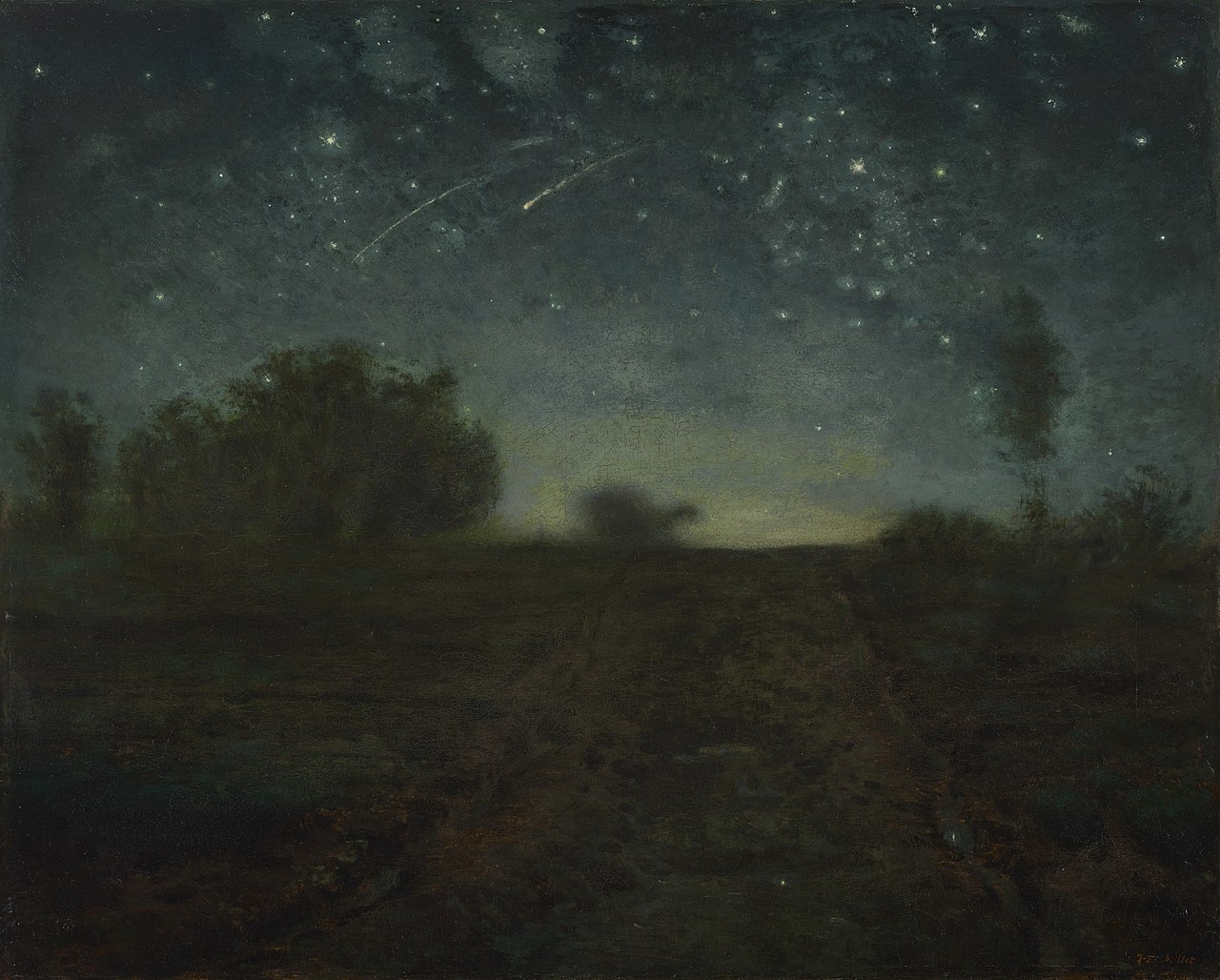
The composition itself is remarkably simple yet profoundly effective. The woman, her back to the viewer, dominates the foreground, meticulously pouring water into a large barrel – likely for washing clothes. Her posture, the slight curve of her spine, and the way she holds herself speak volumes about years of physical labor. The surrounding details—the worn wooden chair, the flickering fireplace casting a warm glow, the carefully arranged bottles and bowl—create a believable domestic setting, transporting us directly into this woman’s world.
Millet was a key figure in the Barbizon school of painting, a movement that rejected the idealized subjects favored by the established Salon. Instead, the Barbizon artists sought to depict rural life as it truly was – with its hardships, its beauty, and its inherent dignity. Millet’s work is characterized by its meticulous observation of detail, his use of earthy tones, and his commitment to portraying ordinary people without sentimentality or judgment. He wasn't interested in glorifying peasant life; he wanted to show it as it *was*, a testament to the resilience and strength of those who worked the land.
The painting’s realism extends beyond mere representation. Millet employed a technique of layering thin glazes of oil paint, building up color gradually to achieve a remarkable sense of texture and depth. The rough surface of the barrel, the worn fabric of the woman's apron, and the flickering flames in the fireplace are all rendered with astonishing accuracy, contributing to the painting’s palpable sense of authenticity.
“La Lessiveuse” is rich in symbolic meaning. The act of washing clothes itself can be interpreted as a metaphor for purification – both physical and spiritual. The woman's solitary activity suggests a quiet contemplation, a moment of respite from the relentless demands of daily life. The warm light of the fireplace offers a sense of comfort and security, while the cool tones of the barrel and water evoke a feeling of hard work and perseverance.
Millet’s ability to capture such profound emotion in a seemingly simple scene is what makes “La Lessiveuse” so enduringly powerful. It's a painting that invites us to reflect on themes of labor, dignity, and the human condition – themes that remain relevant today. The painting’s impact resonates with viewers because it speaks to something fundamental about our shared humanity.
Originally created in 1849, “La Lessiveuse” was acquired by the Louvre Museum in 1902. It remains a central work within the museum’s collection of French Realist paintings, demonstrating Millet's pivotal role in shaping the course of art history. Its presence in the Louvre underscores its artistic merit and historical importance, offering a tangible connection to one of France’s most celebrated artists.


1814 - 1875 , 프랑스

Explore the enigmatic world of Magic Realism. From its German origins to Latin American mastery, discover how this sophisticated movement blends reality with the extraordinary—perfect for discerning collectors seeking depth and wonder in fine art.


 미리보기
미리보기
 공유하기
공유하기 공유하기
공유하기
 상세 정보
상세 정보

 다운로드
다운로드
 유사 작품
유사 작품 X-레이
X-레이 슬라이드 쇼
 통계 정보
통계 정보


 더 보기
더 보기









 유리 옵션은 110cm 미만 크기에서만 선택 가능합니다.


