
빠른 제작과 다양한 마감 옵션을 제공하는 박물관 품질의 지클레이 또는 캔버스 프린트. ( 손으로 그린 그림 구매 디지털 이미지로 전환)





























작품의 원본 비율을 유지하는 미리 설정된 크기 중에서 선택하세요.

특정 프레임이나 공간에 맞춰 직접 치수를 입력하실 수 있습니다. 선택하신 사이즈가 원본 이미지의 비율과 일치하지 않을 경우, 작품을 크롭(자르기)하거나 이미지를 대칭 또는 단색 채우기로 확장하여 제작합니다. 제작 시작 전, 최종 확인을 위해 디지털 목업이 전송됩니다.
화면상의 미리보기는 실제 크롭이나 확장 상태를 반영하지 않으므로, 최종 구도는 오직 목업을 통해서만 정확하게 확인하실 수 있습니다.
맞춤 사이즈 제작도 가능하지만, 원본 비율을 유지하기 위해서는 사전 정의된 목록에서 치수를 선택하시는 것을 권장합니다.

Flowers
복제본 크기
In the grand tapestry of the Baroque era, few artists captured the ephemeral splendor of nature with as much grace and precision as Jean Baptiste Monnoyer. His masterpiece, “Flowers,” serves as a breathtaking window into the opulent aesthetic of Louis XIV’s reign, a period where art was designed to reflect the divine right of kings through unparalleled grandeur. This painting is far more than a mere botanical study; it is a carefully orchestrated symphony of color and light. Monnoyer invites the viewer into a lush, sensory experience where the velvety texture of a crimson rose meets the pristine, delicate purity of a lily. Through his masterful use of chiaroscuro, he manipulates deep, dramatic shadows to push the vibrant blooms forward, creating a three-dimensional vitality that seems to pulse with life even centuries after the final brushstroke was laid.
The composition is a masterclass in Baroque balance, centered around a bountiful arrangement of blossoms nestled within a woven basket. Monnoyer’s technique, rooted in the rigorous traditions of the Flemish masters and refined in the royal ateliers of Paris, allows for an almost scientific level of detail. One can trace the subtle veins in a sunflower petal and the dewy sheen upon a leaf with startling clarity. Yet, amidst this meticulous realism, there is a profound sense of movement. The inclusion of a small bird perched quietly among the branches introduces a narrative element of life and spontaneity, breaking the stillness of the floral arrangement. This interplay between the permanent beauty of the art and the fleeting nature of the subject matter creates a captivating tension that has long enchanted collectors and connoisseur alike.
Beyond its surface brilliance, “Flowers” carries a deep symbolic resonance characteristic of 17th-century still life. While the vibrant bouquet celebrates the peak of vitality, Monnoyer subtly weaves in themes of vanitas—the contemplation of mortality and the passage of time. In the foreground, the presence of two peaches, partially eaten and showing the first signs of decay, serves as a poignant memento mori. The contrast between the fresh, ascending glory of the flowers and the bruised, ripening fruit creates a powerful emotional dialogue about the cyclical nature of existence. For the modern interior designer or art lover, this duality offers a sophisticated depth; the painting provides a burst of life-affirming color while maintaining an intellectual gravity that commands respect in any curated space.
For those seeking to bring a touch of historical elegance into a contemporary setting, a high-quality reproduction of this work offers an unparalleled opportunity. The painting’s rich palette of deep ochres, brilliant crimsons, and verdant greens possesses a transformative power, capable of anchoring a room with a sense of timeless luxury. Whether placed in a sunlit morning room or a moody, sophisticated study, Monnoyer’s “Flowers” acts as a focal point of conversation, evoking the splendor of the Château de Marly and the refined tastes of the French aristocracy. It is an investment in atmosphere, bringing the enduring legacy of Baroque mastery into the heart of the modern home.


1636 - 1699 , 프랑스

Step into the elegance of the Baroque era with our curated guide to Sir Anthony van Dyck's top 25 masterpieces. Explore royal portraits and Flemish brilliance through museum-quality art reproductions and timeless decor inspiration. Discover all masterpieces on WahooArt.com.

Step into the drama of the Baroque era. Explore 10 iconic masterpieces, from Caravaggio’s chiaroscuro to Bernini’s grandeur. Discover the stories behind these timeless works and find museum-quality art reproductions for your decor. Explore the full collection on WahooArt.com.

Experience the ethereal beauty of light and texture in our curated guide to 10 iconic paintings dominated by white tones. From Impressionist masterpieces to minimalist modern art, explore the stories behind these luminous works. Find museum-quality reproductions at WahooArt.com.
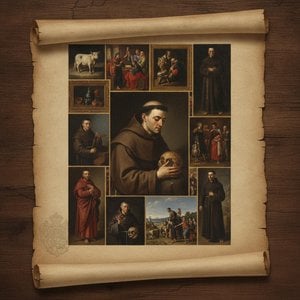
Immerse yourself in the dramatic world of Francisco de Zurbarán. Explore 25 iconic Spanish Baroque masterpieces defined by intense tenebrism and spiritual realism. Find inspiration for museum-quality art reproductions and decor. Discover all masterpieces on WahooArt.com.


 미리보기
미리보기
 공유하기
공유하기 공유하기
공유하기
 상세 정보
상세 정보

 다운로드
다운로드
 유사 작품
유사 작품 X-레이
X-레이 슬라이드 쇼
 통계 정보
통계 정보


 더 보기
더 보기









 유리 옵션은 110cm 미만 크기에서만 선택 가능합니다.


