
원하는 크기와 액자로 주문 제작되는, 작가들이 직접 캔버스에 손으로 그린 유화 작품입니다. ( 프린트 판매로 전환 디지털 이미지로 전환)





























작품의 원본 비율을 유지하는 미리 설정된 크기 중에서 선택하세요.

특정 프레임이나 공간에 맞도록 직접 크기를 입력할 수 있습니다. 선택하신 크기가 원본 이미지의 비율과 일치하지 않는 경우, 작품을 자르거나 추가적인 손으로 그린 요소를 사용하여 그림을 확장합니다. 제작 시작 전 승인을 위해 디지털 목업을 보내드립니다.
화면 미리 보기는 실제 자르기 또는 확장을 반영하지 않습니다. 최종 구성은 목업을 통해서만 정확하게 확인하실 수 있습니다.
맞춤 크기 제작도 가능하지만, 원본 비율을 유지하기 위해 사전 정의된 목록에서 크기를 선택하시는 것을 권장합니다.

Smugglers
복제본 크기
Jean Baptiste Camille Corot (1796–1875), considered one of the foremost landscape painters of his era, possessed an unparalleled ability to capture the subtle beauty of the natural world. His canvases rarely depict grand vistas or dramatic storms; instead, they offer intimate glimpses into rural landscapes bathed in soft light and imbued with a profound sense of tranquility.
Corot’s style aligns closely with the burgeoning Impressionist movement, though he resisted categorization. Unlike Monet or Renoir who prioritized capturing fleeting moments of color and luminosity, Corot focused on conveying the overall mood and atmosphere of a scene—a technique known as atmospherism. He achieved this remarkable feat through meticulous observation and layering of thin glazes of oil paint, allowing light to penetrate through the pigment and creating an ethereal effect.
Corot’s distinctive brushwork is characterized by loose, horizontal strokes that mimic the contours of hillsides and valleys. These strokes are blended seamlessly together, blurring edges and merging colors to create a hazy, dreamlike quality. Crucially, he employed a technique of glazing—applying thin layers of translucent paint over previously applied layers—to build up tonal depth and luminosity gradually. This painstaking process resulted in surfaces that shimmer with reflected light and evoke the feeling of observing a landscape through mist.
Corot emerged from the Romantic movement, which championed emotion and imagination as responses to the grandeur of nature. However, he distanced himself from the overtly sentimental tendencies of his contemporaries, prioritizing accuracy and restraint. His landscapes reflect a deep appreciation for the sublime—the awe-inspiring beauty that simultaneously inspires terror and reverence—but tempered with a humanist sensibility rooted in observation and empathy.
While Corot’s paintings rarely bear explicit symbolic references, they resonate with themes of solitude, contemplation, and communion with the natural world. The muted palette – dominated by ochre yellows, earthy browns, and subtle greens – reflects the colors of the soil and vegetation, grounding the viewer in a tangible connection to the landscape. These canvases invite viewers to pause, breathe deeply, and experience the restorative power of unspoiled beauty—a timeless message that continues to captivate audiences today.
Ultimately, Corot’s landscapes transcend mere representation; they evoke a profound emotional response. They convey a sense of peace, serenity, and melancholy – capturing the fleeting moments of beauty found in everyday rural life. Viewing his paintings is akin to stepping into a tranquil sanctuary where worries fade away and one finds solace in the enduring presence of nature.


1796 - 1875 , 프랑스
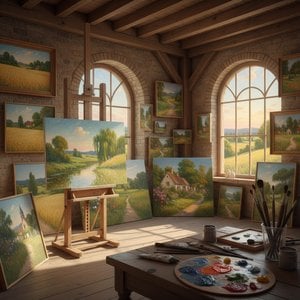
Discover the profound tranquility of rural art through an expert exploration of Impressionist landscapes. From pastoral scenes to textured oil masterpieces, learn how timeless nature-inspired artworks bring enduring elegance and serenity to sophisticated collectors.

Discover the ethereal beauty of Jean-Baptiste-Camille Corot. Explore how this master of light bridged Neoclassicism and Impressionism through his atmospheric landscapes, capturing the timeless essence of the French countryside with unparalleled poetic brilliance.


 미리보기
미리보기
 공유하기
공유하기 공유하기
공유하기
 상세 정보
상세 정보

 다운로드
다운로드
 유사 작품
유사 작품 X-레이
X-레이 슬라이드 쇼
 통계 정보
통계 정보

 더 보기
더 보기









 유리 옵션은 110cm 미만 크기에서만 선택 가능합니다.


