
빠른 제작과 다양한 마감 옵션을 제공하는 박물관 품질의 지클레이 또는 캔버스 프린트. ( 손으로 그린 그림 구매 디지털 이미지로 전환)





























작품의 원본 비율을 유지하는 미리 설정된 크기 중에서 선택하세요.

특정 프레임이나 공간에 맞춰 직접 치수를 입력하실 수 있습니다. 선택하신 사이즈가 원본 이미지의 비율과 일치하지 않을 경우, 작품을 크롭(자르기)하거나 이미지를 대칭 또는 단색 채우기로 확장하여 제작합니다. 제작 시작 전, 최종 확인을 위해 디지털 목업이 전송됩니다.
화면상의 미리보기는 실제 크롭이나 확장 상태를 반영하지 않으므로, 최종 구도는 오직 목업을 통해서만 정확하게 확인하실 수 있습니다.
맞춤 사이즈 제작도 가능하지만, 원본 비율을 유지하기 위해서는 사전 정의된 목록에서 치수를 선택하시는 것을 권장합니다.

untitled (447)
복제본 크기
Jean-Antoine Watteau (1684–1721), a name that resonates with elegance and fleeting beauty, stands as one of the pivotal figures in shaping eighteenth-century art. Born in Valenciennes, France—a city steeped in tradition yet yearning for innovation—Watteau’s artistic trajectory defied convention, propelling him away from the grandeur of Baroque formalism towards the ethereal realm of Rococo.
Initially hampered by institutional obstacles within Paris’s competitive art scene, Watteau persevered with unwavering dedication. His formative years spent sketching the vibrant life of his hometown instilled in him a profound appreciation for observation and an uncanny ability to capture the nuances of everyday existence—themes that would become central to his artistic vision.
Watteau’s breakthrough arrived with the invention of ‘fêtes galantes,’ a genre unlike any seen before. These idyllic scenes depicted aristocratic gatherings in woodland settings, infused with theatrical flair and bathed in soft, diffused light. Departing from the dramatic narratives favored by Baroque painters like Rubens and Rembrandt, Watteau prioritized atmosphere and emotion—creating landscapes that felt less like representations of reality and more like idealized fantasies.
Beyond mere visual beauty, Watteau’s paintings conveyed profound symbolic meaning. The woodland landscapes represented escape from societal constraints—a refuge for aristocratic lovers seeking solace in pastoral idylls. Musical instruments and dancing figures symbolized pleasure and entertainment, reflecting the hedonistic spirit of the Rococo era.
Most importantly, Watteau succeeded in capturing the elusive emotion of ‘jouissance,’ a state of blissful delight—the feeling of being utterly absorbed in beauty and sensation. His portraits, particularly those depicting Pierrot—a melancholic clown figure—explored themes of longing and vulnerability with remarkable sensitivity.
Watteau’s influence extended far beyond his own lifetime, inspiring subsequent generations of artists who embraced the Rococo aesthetic. His pioneering approach to color and composition paved the way for Impressionists like Monet and Renoir, demonstrating that art could transcend mere representation—that it could evoke profound emotional responses.
Today, reproductions of Watteau’s masterpieces continue to captivate audiences worldwide, offering a glimpse into a bygone era of aristocratic indulgence and artistic innovation. They serve as a testament to Watteau's enduring legacy: a celebration of beauty, movement, and the transformative power of imagination.


1684 - 1721 , 프랑스
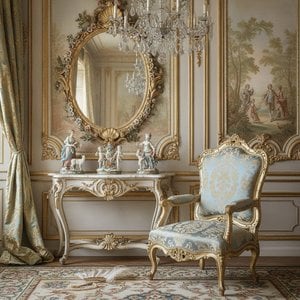
Discover the exquisite allure of Rococo art. Explore a curated guide to 18th-century French masterpieces, from Watteau to Fragonard, and learn how hand-painted oil reproductions can bring timeless elegance and luxury to your sophisticated interior design collection.

Immerse yourself in the splendor of Rococo art. Discover the era of elegance through masterworks by Watteau and Fragonard. Explore themes of romance, aristocratic leisure, and gilded ornamentation in this definitive guide to 18th-century French opulence.


 미리보기
미리보기
 공유하기
공유하기 공유하기
공유하기
 상세 정보
상세 정보

 다운로드
다운로드
 유사 작품
유사 작품 X-레이
X-레이 슬라이드 쇼
 통계 정보
통계 정보
 더 보기
더 보기









 유리 옵션은 110cm 미만 크기에서만 선택 가능합니다.


