빠른 제작과 다양한 마감 옵션을 제공하는 박물관 품질의 지클레이 또는 캔버스 프린트. ( 손으로 그린 그림 구매 디지털 이미지로 전환)





























작품의 원본 비율을 유지하는 미리 설정된 크기 중에서 선택하세요.

특정 프레임이나 공간에 맞춰 직접 치수를 입력하실 수 있습니다. 선택하신 사이즈가 원본 이미지의 비율과 일치하지 않을 경우, 작품을 크롭(자르기)하거나 이미지를 대칭 또는 단색 채우기로 확장하여 제작합니다. 제작 시작 전, 최종 확인을 위해 디지털 목업이 전송됩니다.
화면상의 미리보기는 실제 크롭이나 확장 상태를 반영하지 않으므로, 최종 구도는 오직 목업을 통해서만 정확하게 확인하실 수 있습니다.
맞춤 사이즈 제작도 가능하지만, 원본 비율을 유지하기 위해서는 사전 정의된 목록에서 치수를 선택하시는 것을 권장합니다.

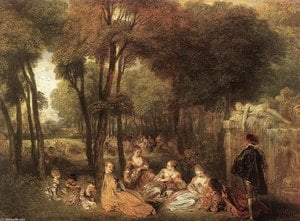
The Champs-Elysées
복제본 크기
Jean Antoine Watteau's "The Champs-Elysées," painted in 1719, is a quintessential example of the *fête galante* genre and a captivating glimpse into the aristocratic leisure culture of early 18th-century France. Measuring 33 x 43 cm, this oil on canvas masterpiece resides within the esteemed Wallace Collection in London, offering viewers a window into Watteau's masterful ability to blend landscape and figure painting with an unparalleled sense of elegance and charm.
The painting depicts a group of approximately twelve individuals gathered in what appears to be a park setting, likely the gardens on the Champs-Elysées in Paris. The figures are dressed in fashionable attire of the period, showcasing a variety of colors and styles that reflect the social status and individual tastes of the time. They engage in relaxed conversation and leisurely activities, creating an atmosphere of refined sociability. Watteau's composition skillfully utilizes depth; trees and foliage recede into the background, enhancing the sense of space and tranquility. The diffused lighting contributes to a soft, dreamlike quality that is characteristic of Rococo art.
Watteau's contribution to art history lies significantly in his development of the *fête galante*. This genre, meaning "elegant festival," specifically portrays scenes of aristocratic gatherings in idyllic outdoor settings. Unlike traditional historical or mythological paintings, *fêtes galantes* focused on depicting contemporary leisure activities and social interactions within a picturesque landscape. “The Champs-Elysées” perfectly embodies this style, showcasing Watteau’s skill in capturing the relaxed atmosphere and subtle nuances of his subjects' relationships. The painting isn't merely a depiction of a scene; it is an exploration of beauty, grace, and the pursuit of pleasure – central tenets of Rococo aesthetics.
Watteau’s technique in "The Champs-Elysées" is characterized by loose brushwork and a slightly hazy effect. He employed glazing techniques to build up layers of color, creating depth and luminosity. The composition relies on flowing lines and organic shapes – trees, figures, water features – which blend together harmoniously. Symbolism within the painting is subtle but present. The carefully chosen attire of the figures suggests their social standing and individual personalities. The overall setting, a meticulously rendered garden, represents an idealized vision of nature—a space for contemplation, conversation, and refined enjoyment. While not overtly symbolic, the scene evokes feelings of serenity, elegance, and the fleeting beauty of life.
"The Champs-Elysées" stands as a testament to Watteau’s artistic genius and his pivotal role in transitioning from Baroque to Rococo art. Beyond this iconic work, Watteau left behind a rich body of paintings including "Halt During the Hunt," "Les Charmes de la Vie (The Music Party)," "Harlequin and Columbine," and “The Pleasures of Life,” all housed within the Wallace Collection. For those interested in exploring more of Watteau's works or other artists, WahooArt offers a wide range of handmade oil painting reproductions. Additionally, for further information on the Wallace Collection, visit their official website at https://www.wallacecollection.org/.

1684 - 1721 , 프랑스

Discover the breathtaking elegance of Rococo portraiture. Explore an expert guide to 18th-century mastery, from pastel palettes to aristocratic grandeur, and learn how to bring this era of opulence into your home through museum-quality oil reproductions.

Immerse yourself in the splendor of Rococo art. Discover the era of elegance through masterworks by Watteau and Fragonard. Explore themes of romance, aristocratic leisure, and gilded ornamentation in this definitive guide to 18th-century French opulence.

Discover the exquisite allure of Rococo art. Explore a curated guide to 18th-century French masterpieces, from Watteau to Fragonard, and learn how hand-painted oil reproductions can bring timeless elegance and luxury to your sophisticated interior design collection.


 미리보기
미리보기
 공유하기
공유하기 공유하기
공유하기
 상세 정보
상세 정보 가이드 보기

 다운로드
다운로드
 유사 작품
유사 작품 X-레이
X-레이 슬라이드 쇼
 통계 정보
통계 정보


 더 보기
더 보기









 유리 옵션은 110cm 미만 크기에서만 선택 가능합니다.