































작품의 원본 비율을 유지하는 미리 설정된 크기 중에서 선택하세요.

특정 프레임이나 공간에 맞도록 직접 크기를 입력할 수 있습니다. 선택하신 크기가 원본 이미지의 비율과 일치하지 않는 경우, 작품을 자르거나 추가적인 손으로 그린 요소를 사용하여 그림을 확장합니다. 제작 시작 전 승인을 위해 디지털 목업을 보내드립니다.
화면 미리 보기는 실제 자르기 또는 확장을 반영하지 않습니다. 최종 구성은 목업을 통해서만 정확하게 확인하실 수 있습니다.
맞춤 크기 제작도 가능하지만, 원본 비율을 유지하기 위해 사전 정의된 목록에서 크기를 선택하시는 것을 권장합니다.

Pierrot
복제본 크기
In the hallowed halls of the Louvre Museum, there exists a painting that does more than merely occupy space; it breathes with the delicate, ephemeral spirit of an era long passed. Jean-Antoine Watteau’s Pierrot, executed between 1718 and 1719, is a profound masterpiece of the Rococo movement, capturing a moment of stillness amidst the theatricality of life. At first glance, the viewer is met with the striking figure of a man dressed in voluminous white theatrical attire, standing with a presence that is both commanding and strangely vulnerable. This is not the boisterous, comedic buffoon often associated with the commedia dell'arte, but a character imbued with a quiet, introspective dignity. The painting serves as a window into a world where the boundaries between performance and reality blur, inviting the observer to contemplate the masks we all wear.
The technical brilliance of Watteau is revealed through his masterful manipulation of light and color, creating an atmosphere that feels as though it were painted in the soft, pearlescent glow of twilight. Moving away from the heavy, dramatic shadows of the Baroque period, Watteau embraced a palette of pastel elegance—soft blues, muted greens, and creamy whites—that lends the canvas an ethereal, dreamlike quality. His brushwork is fluid and spontaneous, eschewing rigid lines in favor of a rhythmic texture that suggests movement even in stillness. The composition itself is a triumph of Rococo asymmetry; by positioning the central figure slightly off-center, Watteau creates a dynamic tension that draws the eye across the canvas, discovering the subtle details of the background figures and the lush, pastoral landscape that cradles the scene.
Beyond its visual splendor, Pierrot is deeply rooted in the cultural phenomenon of the fête galante—the idealized outdoor celebrations of the French aristocracy. Watteau was the undisputed architect of this genre, crafting scenes that celebrated leisure, romance, and the fleeting nature of pleasure. Within this specific work, every element serves a symbolic purpose. The presence of other figures in the periphery suggests a larger social tapestry, a world of music, dance, and flirtatious encounters. Even the inclusion of a small dog near the foreground acts as a silent sentinel of fidelity and companionship, grounding the fantastical elements of the scene in a sense of earthly devotion. The verdant trees and soft landscape represent fertility and the eternal cycle of renewal, providing a timeless backdrop to the transient human drama unfolding before us.
For the discerning collector or interior designer, this painting offers much more than mere decoration; it provides an emotional anchor for a space. The work possesses a unique ability to evoke nostalgia and a sense of refined tranquility. Whether placed in a sun-drenched morning room or a sophisticated study, a high-quality reproduction of Pierrot brings with it the prestige of art history and the soft, inviting warmth of the Rococo aesthetic. It is a piece that invites conversation, prompting viewers to linger on its subtle nuances and find inspiration in its celebration of grace, beauty, and the enduring mystery of the human soul.

1684 - 1721 , 프랑스
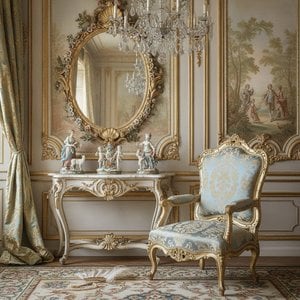
Discover the exquisite allure of Rococo art. Explore a curated guide to 18th-century French masterpieces, from Watteau to Fragonard, and learn how hand-painted oil reproductions can bring timeless elegance and luxury to your sophisticated interior design collection.

Immerse yourself in the splendor of Rococo art. Discover the era of elegance through masterworks by Watteau and Fragonard. Explore themes of romance, aristocratic leisure, and gilded ornamentation in this definitive guide to 18th-century French opulence.


 미리보기
미리보기
 프린트 구매
 공유하기
공유하기 공유하기
공유하기
 상세 정보
상세 정보

 다운로드
다운로드
 유사 작품
유사 작품 X-레이
X-레이 슬라이드 쇼

 더 보기
더 보기









 유리 옵션은 110cm 미만 크기에서만 선택 가능합니다.


