

작가가 직접 캔버스에 손으로 그린 유화 작품으로, 원하는 크기와 액자로 맞춤 제작해 드립니다. ( 프린트 판매로 전환 디지털 이미지 판매 채널로 전환)





























작품의 원본 비율을 그대로 유지하는 프리셋 사이즈 중에서 선택해 보세요.

특정 프레임이나 공간에 맞춰 원하는 크기를 직접 입력하실 수 있습니다. 선택하신 크기가 원본 이미지의 비율과 일치하지 않을 경우, 작품을 자르거나 추가적인 수작업 요소를 더해 그림을 확장하여 제작합니다. 제작 시작 전, 최종 확인을 위해 디지털 목업을 보내드립니다.
화면상의 미리 보기는 실제 크롭(자르기)이나 확장된 상태를 완벽히 반영하지 않을 수 있습니다. 최종 구도는 오직 목업을 통해서만 정확하게 확인하실 수 있습니다.
맞춤 크기 제작도 가능하지만, 원본의 비율을 그대로 유지하기 위해서는 미리 정의된 목록에서 크기를 선택하시는 것을 권장합니다.

Figure
복제본 규격
Jasper Johns' "Figure," a painting that immediately commands attention with its central, oversized numeral two, is far more than a simple depiction of quantity. It’s a carefully constructed meditation on perception, representation, and the very nature of visual language – a cornerstone of Johns’ distinctive artistic approach that bridged the gap between Abstract Expressionism and the burgeoning Pop Art movement. Born in 1930, Johns' career was defined by his deliberate subversion of conventional art-making practices, often employing familiar objects—flags, maps, targets—as subjects to challenge our assumptions about what constitutes “art.” "Figure" exemplifies this strategy brilliantly, inviting viewers to consider the inherent ambiguity and layered meanings embedded within seemingly straightforward imagery.
The painting’s palette is deliberately restrained – a muted blend of greys and browns that lends an almost photographic quality to the composition. Thick brushstrokes, applied with a controlled yet energetic hand, create a sense of texture and depth, preventing the image from feeling flat or overly stylized. Notice how Johns doesn't attempt to render the number two realistically; instead, he employs a fragmented, almost geometric approach, suggesting its presence through shape and form rather than direct representation. This technique is characteristic of Johns’ work – he prioritizes the *idea* of an object over a literal depiction, creating a visual puzzle for the viewer to unravel.
Johns' fascination with symbols—particularly those deeply rooted in American iconography—is central to understanding his work. The number two itself carries significant cultural weight, representing duality, balance, or even a sense of incompleteness. In the context of the painting, it functions as an anchor, drawing the eye and establishing a visual hierarchy. However, Johns deliberately avoids providing any definitive interpretation; he leaves the meaning open to the viewer’s own contemplation. This ambiguity is not accidental—it's a deliberate tactic designed to engage the audience in a dialogue with the artwork.
Furthermore, the painting subtly references the tradition of “figure painting,” a historical movement that emphasized realistic representation of the human form. The title itself – "Figure" – acts as a playful wink at this established artistic lineage, suggesting a connection between the abstract and the representational. The use of numerals echoes the visual language of advertising and signage, further blurring the boundaries between art and everyday life—a key characteristic of Pop Art.
“Figure” was created during a period of profound transformation in American art. Following World War II, artists were grappling with questions about identity, representation, and the role of art in society. Abstract Expressionism, with its emphasis on spontaneous gesture and emotional expression, had dominated the artistic landscape for decades. However, by the late 1950s, a new generation of artists—including Johns, Rauschenberg, and Warhol—began to challenge these conventions, exploring alternative approaches to art-making.
Johns’ shift towards using everyday objects as subjects reflected this broader cultural shift. He rejected the introspective focus of Abstract Expressionism in favor of a more outward-looking approach, engaging with the visual culture of American society. “Figure” embodies this transition—it's a painting that looks beyond the purely personal and engages with the collective consciousness.
Despite its seemingly simple composition, "Figure" possesses a remarkable emotional resonance. The muted colors, fragmented forms, and ambiguous symbolism create a sense of quiet contemplation – inviting viewers to slow down and consider the painting’s deeper meanings. Johns' work continues to resonate with audiences today because it speaks to fundamental questions about perception, representation, and the relationship between art and reality.
Reproductions of “Figure” offer a unique opportunity to experience this artwork firsthand, bringing its subtle complexities into your home or office. WahooArt’s hand-painted reproductions capture the essence of Johns' masterful technique and imbue the image with a vibrant, authentic quality that is unmatched by digital prints. Consider how this piece can add a touch of intellectual intrigue and understated elegance to any space – a testament to the enduring power of Jasper Johns’ artistic vision.
재스퍼 존스의 "Figure"은(는) Portrait 구도로 이루어져 있습니다. 프린트 크기를 결정하시기 전에 비율을 확인해 보시는 것이 좋습니다.
재스퍼 존스의 "Figure"의 수작업 복제화는 본 웹사이트의 리넨 캔버스 위에 손으로 직접 그린 유화 복제화에서 만나보실 수 있으며, 현재 페이지를 통해 주문 가능합니다.
재스퍼 존스의 "Figure"의 프린트를 소장하시려면, 현재 페이지에서 간편하게 주문하실 수 있습니다: 코튼 캔버스 또는 아카이브용 캔버스지에 인쇄된 파인 아트 프린트.
재스퍼 존스의 "Figure"의 권장 용도는 Statement입니다. 그 외에도 다양한 용도로 활용하실 수 있습니다.
재스퍼 존스의 "Figure"의 기록된 수치는 다음과 같습니다: 밝기 brilliant, 휘도 Bright Balance.
재스퍼 존스의 "Figure" 작품은 Portrait 방향의 Large 크기로 인쇄하는 것을 추천합니다.
"Figure"의 작가는 재스퍼 존스입니다.

1930 - , 미국

존 컨스터블 대표작 25선을 만나보세요. 영국 풍경화 거장의 자연주의 회화, 데담 밸리의 아름다움과 헤이 웨인의 정취를 담은 명화를 감상하세요. WahooArt에서 고품질 예술 작품 복제본을 소장하고 특별한 인테리어를 완성해보세요. 지금 바로 컬렉션을 탐험하세요!
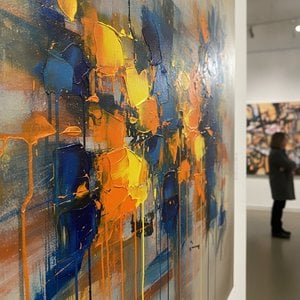
Master the high-impact world of contemporary abstraction. Discover how bold colors, textures, and modern movements like Abstract Expressionism can transform your space with premium, high-energy art curated for the design-conscious professional.
존 싱어 사전트의 대표작 25선을 만나보세요. 인상주의 초상화부터 빛과 색채가 아름다운 유화까지, 그의 예술 세계를 탐험하고 WahooArt에서 고품질 아트 프린트로 거실 장식을 완성하세요. 지금 온라인 컬렉션을 확인하세요!

Explore the profound emotional depth of Lyrical Abstraction. Discover how masters like Raymond Parker used color and form to bridge Impressionism and Abstract Expressionism. Learn about this pivotal movement through our expert-led art history guide.

추상표현주의의 심장을 뛰게 한 10대 걸작을 만나보세요. 폴록, 로스코 등 거장의 작품 비하인드 스토리와 예술적 영감을 WahooArt에서! 지금 바로 미술품 컬렉션을 탐험하고, 당신의 공간에 특별한 예술적 감성을 더하세요. WahooArt.com

 실제 크기로 보기
 보내기
보내기 공유하기
공유하기
 상세 보기
상세 보기 가이드 보기

 이미지 다운로드
 유사 작품 더 보기
 X-레이
X-레이 슬라이드 쇼 보기
 통계 정보
통계 정보
 상세 보기
상세 보기









 유리 옵션은 110cm 미만 크기에서만 선택 가능합니다.


