
 1795
1795 5.0 x 29.0 cm
 Museu de São Roque
원하는 크기와 액자로 주문 제작되는, 작가들이 직접 캔버스에 손으로 그린 유화 작품입니다. ( 프린트 주문으로 전환 이미지로 전환)
작품의 원본 비율을 유지하는 미리 설정된 크기 중에서 선택하세요.

특정 프레임이나 공간에 맞도록 직접 크기를 입력할 수 있습니다. 선택하신 크기가 원본 이미지의 비율과 일치하지 않는 경우, 작품을 자르거나 추가적인 손으로 그린 요소를 사용하여 그림을 확장합니다. 제작 시작 전 승인을 위해 디지털 목업을 보내드립니다.
화면 미리 보기는 실제 자르기 또는 확장을 반영하지 않습니다. 최종 구성은 목업을 통해서만 정확하게 확인하실 수 있습니다.
맞춤 크기 제작도 가능하지만, 원본 비율을 유지하기 위해 사전 정의된 목록에서 크기를 선택하시는 것을 권장합니다.

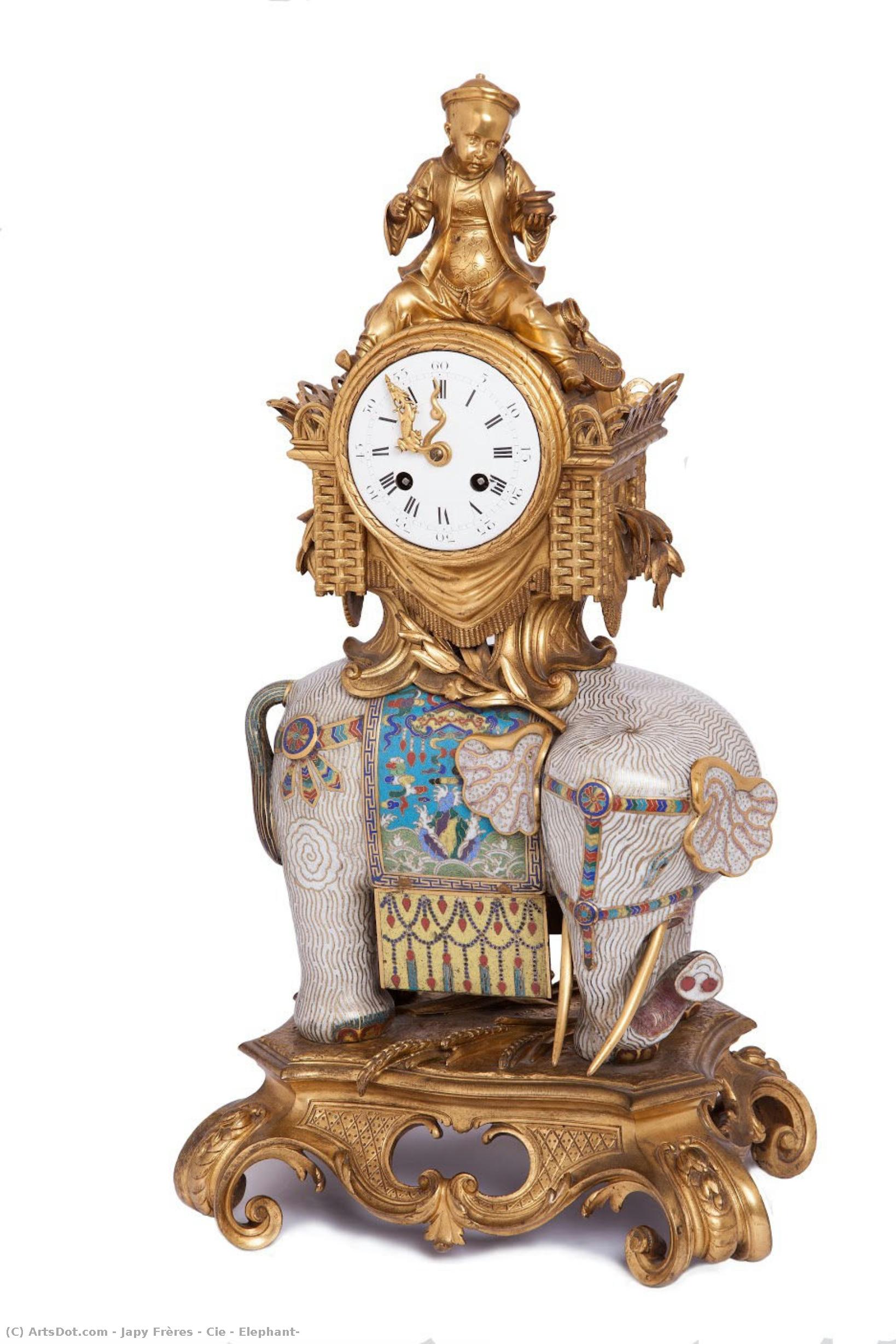
Elephant
복제본 크기

In the heart of Beaucourt, France, a revolution was quietly unfolding, one second at a time. Long before the modern era of automation, the name Japy Frères & Cie emerged as a beacon of industrial ingenuity and horological artistry. Founded in the late 18th century by Frédéric Japy and his wife Suzanne Cuvier, this illustrious company did far more than merely assemble gears and springs; they fundamentally reimagined the relationship between craftsmanship and mass production. While the world was accustomed to timepieces being the solitary work of individual artisans, the Japy family envisioned a future where precision could be shared with the masses through a groundbreaking, integrated manufacturing process.
The story of the Japy dynasty is one of profound transition, moving from the delicate traditions of the 1700s into the robust industrialism of the 19th century. Frédéric Japy, a man possessed by an unwavering desire to innovate, recognized that the traditional, fragmented methods of clockmaking were insufficient for a changing world. By concentrating all manufacturing activities under a single roof in Beaucourt, he pioneered a method reminiscent of the modern assembly line. This revolutionary approach allowed for unprecedented oversight and efficiency, effectively doubling production output and setting a new standard for the French clockmaking landscape. It was a period where the mechanical met the methodical, creating a rhythm of production that would sustain the company for over 150 years.
Despite their monumental shift toward industrialization, Japy Frères & Cie never allowed the soul of their work to be lost to the machine. To them, a timepiece was not merely a functional instrument but an object of profound beauty and aesthetic significance. Their commitment to excellence is most vibrantly seen in their mastery of enamel dials—a delicate technique involving the application of thin, colored glass layers onto metal surfaces. These dials achieved a level of luminosity and precision that became the gold standard for the industry, influencing countless other horologists across Europe. To hold a Japy timepiece is to witness the marriage of scientific exactitude and painterly grace.
As the company evolved, particularly under the leadership of Frédéric’s sons—Pierre, Fritz, and Louis—the brand entered its "golden age" between 1850 and 1930. During this era, they achieved a remarkable feat: making high-quality horology accessible to the "common man." Their ability to produce reliable, beautiful watches and clocks at a price point reachable by the general public allowed their influence to permeate every level of society. This period of expansion was marked by several significant milestones:
The historical significance of Japy Frères & Cie extends far beyond the ticking of a clock. They represent a pivotal moment in French history when the artisanal traditions of the past collided with the technological promises of the future. Their legacy is etched into the very fabric of industrial history, serving as a precursor to the mass-production techniques that would later define the 20th century. While the firm eventually diversified and saw its various branches sold off in the early 1900s, the impact of their innovation remains indelible.
Today, when collectors and historians look back at the era of French horology, they see the fingerprints of the Japy family on nearly every significant advancement. They proved that scale does not have to come at the cost of soul, and that industrial progress can be a vessel for artistic expression. Their timepieces remain as enduring symbols of an era when France led the world in both mechanical precision and aesthetic elegance, reminding us that even in an age of machines, the human touch remains the most vital component of true art.

1771 - 1932 , France


최신 미술 뉴스, 특별 혜택 및 인테리어 아이디어를 가장 먼저 만나보세요.
프로젝트에 대해 알려주시면 저희 미술 전문가들이 맞춤형 아트 제안 3가지를 전달해 드립니다.
당신만을 위한 맞춤형 옵션 3가지를 무료로 추천해 드립니다!


 미리보기
미리보기
 공유하기
공유하기 공유하기
공유하기
 상세 정보
상세 정보

 다운로드
다운로드
 유사 작품
유사 작품 X-레이
X-레이 슬라이드 쇼
 더 보기
더 보기






































 유리 옵션은 110cm 미만 크기에서만 선택 가능합니다.


