
x


 Namban Style
 1610
1610 93.0 x 59.0 cm
 Національний музей декоративних мистецтв Мадрида
빠른 제작과 다양한 마감 옵션을 제공하는 박물관 품질의 지클레이 또는 캔버스 프린트. ( 손으로 그린 그림 구매 이미지 구매)
작품의 원본 비율을 유지하는 미리 설정된 크기 중에서 선택하세요.

특정 프레임이나 공간에 맞춰 직접 치수를 입력하실 수 있습니다. 선택하신 사이즈가 원본 이미지의 비율과 일치하지 않을 경우, 작품을 크롭(자르기)하거나 이미지를 대칭 또는 단색 채우기로 확장하여 제작합니다. 제작 시작 전, 최종 확인을 위해 디지털 목업이 전송됩니다.
화면상의 미리보기는 실제 크롭이나 확장 상태를 반영하지 않으므로, 최종 구도는 오직 목업을 통해서만 정확하게 확인하실 수 있습니다.
맞춤 사이즈 제작도 가능하지만, 원본 비율을 유지하기 위해서는 사전 정의된 목록에서 치수를 선택하시는 것을 권장합니다.

Japanese chest
복제본 크기

In the heart of Kyoto, Japan—a city where ancient temples stand in silent vigil over serene, moss-covered gardens—lies a tradition that breathes through the very sap of the earth. The Zohikos Kyoto workshop represents more than just a collection of artisans; it is a living lineage of urushi lacquering that has endured for over four centuries. This meticulous craft is an embodiment of Japanese philosophy, weaving together the principles of harmony, balance, and a profound respect for the natural world. To encounter a piece from this workshop is to witness a transformation where humble wood is elevated into objects of breathtaking beauty and enduring elegance, achieved through a technique that demands infinite patience and a spiritual understanding of one's materials.
The history of this artistry finds its roots deep within the Edo period, an era when lacquerware flourished as a potent symbol of imperial prestige and social standing. As generations of masters passed their secrets from hand to hand, the workshop’s lineage became a repository of accumulated knowledge. The foundation of their work rests upon urushi, the precious sap harvested from the lacquer tree, Toxicodendron vernix. This remarkable substance possesses the unique ability to fuse seamlessly with wood fibers, creating a bond so resilient that it resists cracking or peeling through the centuries. The creation of a single piece is a slow, meditative journey involving meticulous sanding, polishing, and the painstaking application of multiple layers of resin mixed with pigments, each new coat built upon the strength of the last.
The brilliance of the Kyoto workshop lies in its ability to master complex decorative methods that turn functional objects into fine art. One of the most celebrated techniques is maki-e, a process in which fine metal powders are sprinkled onto wet lacquer to create shimmering, ethereal designs. This method allows for an incredible range of artistic expression, from delicate floral motifs to sweeping landscapes. Furthermore, the workshop has historically engaged with the Namban style, characterized by striking gold maki-e on a deep black ground, often inlaid with iridescent mother-of-pearl shell and accented with gilt-metal fittings. These intricate decorations frequently feature animals and botanical elements, reflecting a deep connection to the seasonal rhythms of Japan.
While the workshop remains anchored in these classical traditions, it has never remained stagnant. The contemporary artisans of Zohikos Kyoto workshop skillfully navigate the intersection of heritage and innovation. By integrating modern design sensibilities with ancient methods, they ensure their work resonates with a global audience. This evolution is supported by a commitment to precision that borders on the scientific; today’s masters may utilize advanced microscopy and material science to optimize the durability and aesthetic luster of their pieces, ensuring that the brilliance of the lacquer remains as vivid today as it was during the Edo period.
The achievements of the Kyoto workshop extend far beyond the borders of Japan. Historically, their exquisite creations—ranging from travel chests and portable altars to jewelry boxes and inro—were highly sought after by emperors, dignitaries, and international collectors alike. During the era of maritime trade, beautiful Namban artworks were imported into Spain and Europe, influencing Western perceptions of Eastern luxury and craftsmanship. The workshop's ability to blend Japanese techniques with Western-style furniture forms has created a unique aesthetic language that continues to captivate the art world.
Today, the significance of the Zohikos Kyoto workshop lies in its role as a guardian of cultural identity. In an age of mass production, their dedication to the slow, deliberate process of urushi serves as a vital reminder of the value of craftsmanship. Their work continues to be celebrated for:
As they continue to champion the art of lacquerware, the artisans of Kyoto ensure that the legacy of urushi remains not merely a relic of the past, but a vibrant, breathing component of the contemporary fine arts landscape.

Explore the profound beauty of Japanese Ukiyo-e art. Discover the legacy of Hokusai and the Utagawa school through an expert exploration of Edo-period aesthetics, seasonal motifs, and the enduring global influence of Japan's 'Floating World' on fine art history.

Explore the profound beauty of Japanese landscape painting. From Hokusai's iconic vistas to Zen-inspired compositions, discover the spiritual depth and historical mastery of Ukiyo-e art in this expert cultural retrospective.

Explore the ephemeral beauty of Japanese Ukiyo-e art. From the dynamic warriors of Kuniyoshi to serene landscapes, discover the profound history, masterful techniques, and global influence of these iconic woodblock prints in our deep cultural retrospective.
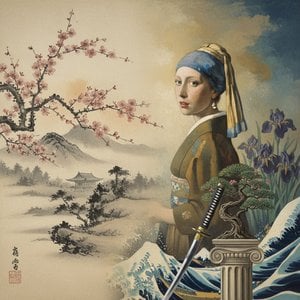
Explore the profound influence of Japanese artistry on global masterpieces. From Ukiyo-e prints to Zen aesthetics, discover how Eastern elegance transformed Western art history in this deep cultural reflection for fine art enthusiasts and collectors.

Embark on a cultural journey through Japan's Edo Period. Discover the profound beauty of Ukiyo-e masters like Kuniyoshi and Toshinobu, exploring the vibrant legacy of Kabuki and Sumo through an art-history lens for the true classic art enthusiast.


최신 미술 뉴스, 특별 혜택 및 인테리어 아이디어를 가장 먼저 만나보세요.
프로젝트에 대해 알려주시면 저희 미술 전문가들이 맞춤형 아트 제안 3가지를 전달해 드립니다.
당신만을 위한 맞춤형 옵션 3가지를 무료로 추천해 드립니다!


 미리보기
미리보기
 공유하기
공유하기 공유하기
공유하기
 상세 정보
상세 정보

 다운로드
다운로드
 유사 작품
유사 작품 X-레이
X-레이 슬라이드 쇼
 더 보기
더 보기






































 유리 옵션은 110cm 미만 크기에서만 선택 가능합니다.


