
 43.0 x 140.0 cm
 국립중앙박물관
온라인 미리보기보다 훨씬 뛰어난 품질의 고해상도 디지털 이미지를 구매해 보세요.
각 파일은 사내 전문가가 고급 도구와 숙련된 수동 리터칭 기술을 사용하여 세심하게 준비합니다. 우리는 모든 이미지가 탁월한 선명도, 정확한 색상 재현력, 그리고 미세한 디테일까지 완벽하게 갖추도록 보장합니다.
최종 파일은 전문적인 편집 및 인쇄 환경에서 즉시 사용할 수 있도록 최적화되어 72시간 이내에 이메일로 발송됩니다. 이는 세계적인 디자인 스튜디오, 출판사 및 갤러리가 신뢰하는 것과 동일한 품질입니다.
개인 소장 및 전시, 인쇄, 창작 프로젝트를 위한 고해상도 파일을 다운로드하세요. ( 프린트 판매로 전환 손으로 그린 그림 구매)
WahooArt.com를 선택하시면 단순히 이미지를 받는 것을 넘어, 정밀한 보정 과정을 거친 전문적인 디지털 예술 작품을 만나보실 수 있습니다. 모든 작품에는 만족 보장 서비스가 함께 제공되며, 주문 시 다음과 같은 사항들이 자동으로 포함됩니다:

주문 후 72시간 이내에 고해상도 디지털 이미지 파일이 이메일로 발송되며, 즉시 사용하실 수 있습니다.

귀하의 작품은 고급 AI 도구와 수동 편집 과정을 거쳐 전문적으로 최적화되며, 이를 통해 디테일과 선명도, 색상의 정확도를 극대화합니다.

파일을 실수로 삭제하거나 분실하셨나요? 걱정 마세요. 언제든 무료로 다시 보내드립니다.

관세나 부가세, 배송비 부담 없이 작품을 즉시 감상하세요 - 디지털 다운로드는 언제나 면세 혜택이 적용됩니다.

전문적인 도구와 색상 관리 시스템을 통해 디지털 이미지가 원본의 색상을 최대한 정확하게 구현하도록 보장합니다.

구매하신 디지털 이미지에 만족하지 못하실 경우, 100일 이내에 별도의 조건 없이 수정 또는 100% 환불을 진행해 드립니다.

만족스럽지 않으신가요? 디지털 파일을 받으신 후 100일 이내에 어떠한 조건 없이 전액 환불해 드립니다.

이미지 3매 구매 시 10% 할인 - 5매 구매 시 15% 할인 - 10매 이상 구매 시 20% 할인. 크리에이티브 프로젝트, 갤러리, 에이전시에 매우 유용합니다.

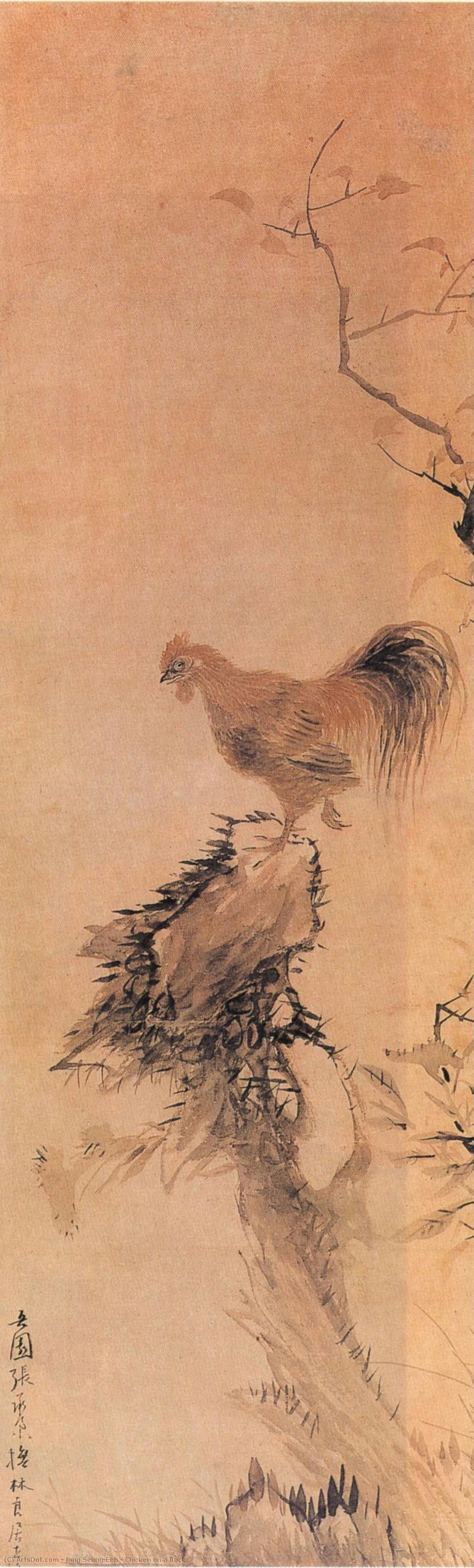
In the twilight of the Joseon Dynasty, a period of profound cultural transition in Korea, there emerged a painter whose brush possessed the rare ability to capture both the ephemeral beauty of nature and the enduring dignity of the human spirit. Jang Seung-eop, known more intimately by his art name Owon, was not merely a practitioner of traditional techniques but a transformative force in Korean art history. Born in Seoul in 1843, his life was a tapestry of brilliant artistic triumph and personal turbulence, a narrative so compelling that it was later immortalized in the cinematic masterpiece Chi-hwa-seon. Unlike many of his contemporaries who sought status through lineage, Owon’s ascent was fueled by raw, unadulterated talent, eventually earning him the rare distinction of holding an official rank within the royal court—a testament to a skill that even the highest authorities could not ignore.
The artistry of Owon was characterized by a breathtaking synthesis of realism and the classical aesthetics of the East. While he drew deep inspiration from the sophisticated traditions of Chinese and Japanese landscape painting, he remained steadfastly rooted in the Korean soul. His work avoided the encroaching Western influences of his era, choosing instead to refine the delicate balance of calligraphy and ink wash. He possessed an uncanny ability to breathe life into the inanimate; a single stroke could convey the rugged texture of ancient stone or the soft, translucent petal of a spring blossom. His compositions were masterclasses in harmony, where every element—from the sweeping curves of a mountain range to the minute details of a scholar’s study—contributed to a sense of profound equilibrium.
Owon’s repertoire was as diverse as the landscapes he depicted, ranging from grand, sweeping vistas to intimate, soul-stirring portraits. He was a master of genre painting, finding extraordinary beauty in the mundane rhythms of everyday life. His canvases often transported viewers to bustling marketplaces or serene, secluded gardens, capturing the vitality of the Korean people with an observant and empathetic eye. This mastery extended into his botanical and animal studies, where works such as Flowers and Animals demonstrated his ability to render organic life with both scientific precision and poetic grace. Through his use of ink and light color on paper, he achieved a luminosity that made his subjects appear to vibrate with life.
Beyond the landscapes, Owon’s portraiture remains some of the most evocative of his era. In works like Portrait of a Beauty, he moved beyond mere physical likeness to capture the internal essence and social grace of his subjects. His ability to render delicate facial features and tranquil gazes allowed him to communicate complex emotions through subtle shifts in line and shade. This period of his development saw him perfecting the art of the screen painting, such as the magnificent Still Life with Bronze Vessels and Flowering Plants, where he utilized the expansive format to create intricate, multi-layered narratives of elegance and abundance.
The historical significance of Jang Seung-eop cannot be overstated. As one of the "Three Wons" of late Joseon painting, he served as a bridge between the rigid traditions of the past and a more expressive, realistic approach to subject matter. His legacy is not found merely in the museums that house his delicate scrolls, but in the very foundation of modern Korean aesthetic identity. He proved that tradition could be revitalized through observation and emotion without losing its cultural essence. Today, as we look upon his works, we see more than just ink on paper; we see the heartbeat of a bygone era, preserved through the masterful hand of an artist who saw the divine in the details of the world around him.

1843 - 1897 , South Korea

 미리보기
미리보기
 공유하기
공유하기 공유하기
공유하기
 상세 정보
상세 정보

 다운로드
다운로드
 유사 작품
유사 작품 X-레이
X-레이 슬라이드 쇼
 통계 정보
통계 정보 더 보기
더 보기


