x


빠른 제작과 다양한 마감 옵션을 제공하는 박물관 품질의 지클레이 또는 캔버스 프린트. ( 손으로 그린 그림 구매 이미지 구매)
작품의 원본 비율을 유지하는 미리 설정된 크기 중에서 선택하세요.

특정 프레임이나 공간에 맞춰 직접 치수를 입력하실 수 있습니다. 선택하신 사이즈가 원본 이미지의 비율과 일치하지 않을 경우, 작품을 크롭(자르기)하거나 이미지를 대칭 또는 단색 채우기로 확장하여 제작합니다. 제작 시작 전, 최종 확인을 위해 디지털 목업이 전송됩니다.
화면상의 미리보기는 실제 크롭이나 확장 상태를 반영하지 않으므로, 최종 구도는 오직 목업을 통해서만 정확하게 확인하실 수 있습니다.
맞춤 사이즈 제작도 가능하지만, 원본 비율을 유지하기 위해서는 사전 정의된 목록에서 치수를 선택하시는 것을 권장합니다.

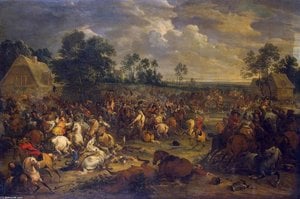
A Battle
복제본 크기

In the grand tapestry of the Dutch Golden Age, few artists captured the thundering pulse of military glory and the elegant grace of the equine form as vividly as Jan van Huchtenburgh. Born in Haarlem around 1647, his life was shaped by both the intimate bonds of family and the sweeping movements of European history. Following the early loss of his father, Jan found a guiding light in his elder brother, Jacob, whose artistic ambitions provided a foundation for Jan’s own burgeoning talent. Under the watchful eye of mentors like Thomas Wijck and the influential Nicolaes Pieterszoon Berchem, Jan began to master the delicate balance between anatomical precision and the atmospheric drama required to bring a battlefield to life.
His journey was not confined to the borders of the Netherlands; it was a pilgrimage through the very heart of European artistic innovation. His travels to Italy allowed him to breathe in the dramatic chiaroscuro of the Italian masters, absorbing a sense of psychological depth that would later infuse his cavalry clashes with a haunting realism. This period of exploration reached a crescendo during his time in Paris, where he worked within the prestigious Manufacture des Gobelins. Collaborating with luminaries such as Charles Le Brun and Adam Frans van der Meulen, Jan contributed sketches that would eventually adorn grand tapestries, cementing his reputation as an artist capable of translating the chaos of war into a structured, aesthetic triumph.
The true essence of Huchtenburgh’s genius lies in his ability to transform the terrifying spectacle of combat into a choreographed ballet of muscle and steel. He was not merely a painter of scenes, but a chronicler of an era defined by imperial expansion and aristocratic prestige. His work often centered on the intense energy of cavalry engagements, where the swirling dust, the glint of sunlight on sabers, and the strained anatomy of charging horses created a sensory experience for the viewer. This mastery of movement was particularly evident in his service to Prince Eugene of Savoy. Accompanying the Prince on military campaigns, Jan produced a monumental series of ten battle scenes, including legendary depictions of the Battle of Blenheim and the Siege of Belgrade.
Beyond the smoke of the battlefield, Huchtenburg’s versatility extended to the more refined realms of equestrian portraiture and landscape. He possessed a rare ability to capture the nobility of the horse, treating each animal not just as a beast of burden, but as a protagonist in its own right. His later years in Amsterdam saw him engaging with the broader art market as an engraver, publisher, and dealer, ensuring that his influence reached far beyond the canvas. Through his meticulous attention to detail and his command over light and shadow, Jan van Huchtenburgh left behind a legacy that continues to evoke the spirit of the Baroque—a period where art served as both a mirror to the triumphs of man and a window into the sublime power of nature.

1647 - 1733

렘브란트 반 레인 명작 25선을 만나보세요. 빛과 그림자의 거장이 그린 역사화, 초상화 속 예술의 정수를 감상하고, 네덜란드 황금시대 바로크 미술의 깊이를 느껴보세요. WahooArt.com에서 고품질 복제화를 컬렉션하세요.
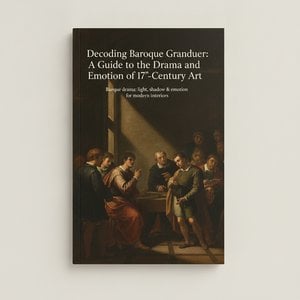
Explore the breathtaking drama of 17th-century Baroque art. Our expert guide decodes the use of chiaroscuro, emotional intensity, and historical grandeur to help you appreciate and curate timeless masterpieces for your collection.
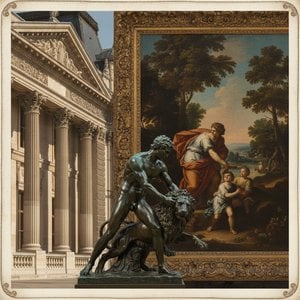
Explore the profound elegance of Baroque Classicism. Discover how 17th-century masters synthesized dramatic emotion with classical order through the lens of the Counter-Reformation and the works of legends like Carlo Maratta and Andrea Sacchi.
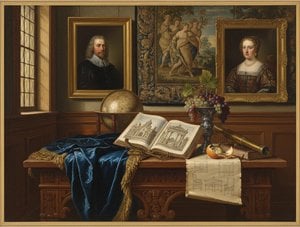
Journey through 17th century art with masterpieces by Rembrandt, Vermeer & Caravaggio. Explore Baroque paintings, Dutch Golden Age techniques & timeless beauty. Find museum-quality reproductions and elevate your home decor on WahooArt.com.

Journey through the Golden Age with our guide to the Top 10 Dutch Baroque masterpieces! Explore iconic paintings by Rembrandt, Vermeer & Frans Hals. Find museum-quality art reproductions and elevate your home decor at WahooArt.com.


최신 미술 뉴스, 특별 혜택 및 인테리어 아이디어를 가장 먼저 만나보세요.
프로젝트에 대해 알려주시면 저희 미술 전문가들이 맞춤형 아트 제안 3가지를 전달해 드립니다.
당신만을 위한 맞춤형 옵션 3가지를 무료로 추천해 드립니다!


 미리보기
미리보기
 공유하기
공유하기 공유하기
공유하기
 상세 정보
상세 정보

 다운로드
다운로드
 유사 작품
유사 작품 X-레이
X-레이 슬라이드 쇼


 더 보기
더 보기






































 유리 옵션은 110cm 미만 크기에서만 선택 가능합니다.