
빠른 제작과 다양한 마감 옵션을 제공하는 박물관 품질의 지클레이 또는 캔버스 프린트. ( 손으로 그린 그림 구매 디지털 이미지로 전환)





























작품의 원본 비율을 유지하는 미리 설정된 크기 중에서 선택하세요.

특정 프레임이나 공간에 맞춰 직접 치수를 입력하실 수 있습니다. 선택하신 사이즈가 원본 이미지의 비율과 일치하지 않을 경우, 작품을 크롭(자르기)하거나 이미지를 대칭 또는 단색 채우기로 확장하여 제작합니다. 제작 시작 전, 최종 확인을 위해 디지털 목업이 전송됩니다.
화면상의 미리보기는 실제 크롭이나 확장 상태를 반영하지 않으므로, 최종 구도는 오직 목업을 통해서만 정확하게 확인하실 수 있습니다.
맞춤 사이즈 제작도 가능하지만, 원본 비율을 유지하기 위해서는 사전 정의된 목록에서 치수를 선택하시는 것을 권장합니다.

The Lucca Madonna
복제본 크기
Jan van Eyck’s *Lucca Madonna*, completed around 1437, stands as a cornerstone of Early Netherlandish painting—a testament to meticulous observation and profound symbolic resonance. More than just a portrait of Mary cradling Jesus, it embodies the spiritual aspirations of its time, captivating viewers with its luminous beauty and masterful execution.
The painting depicts Mary seated on a wooden throne adorned with four lion statues crafted from brass—a deliberate reference to Solomon’s throne, symbolizing divine authority. This monumental chair dominates the scene, establishing a vertical axis that draws the eye upwards towards the canopy overhead. Two vases flank Mary, adding visual balance and subtly hinting at the virtues of humility and simplicity. The inclusion of a window behind Mary introduces depth and perspective, mirroring the architectural grandeur of churches during this period.
At its core, *Lucca Madonna* speaks to themes of motherhood, purity, and divine grace. Mary’s posture conveys serenity and devotion—a deliberate echo of depictions found in illuminated manuscripts and altarpieces. The infant Jesus, positioned prominently in her arms, symbolizes innocence and Christ’s divine presence. The vases and bowl serve as emblems of piety and contemplation, reinforcing the painting's spiritual message.
Van Eyck revolutionized artistic practice with his pioneering use of oil paint—a medium that allowed for unprecedented levels of realism and luminosity. He achieved this remarkable effect through a technique known as “wet-in-wet,” applying thin layers of pigment simultaneously to create subtle gradations of color and capturing the velvety texture of fabrics like Mary’s robe. The meticulous detail evident in every brushstroke—from the delicate folds of drapery to the luminous sheen on Jesus’ face—demonstrates Van Eyck's unparalleled skill.
*Lucca Madonna* flourished during the Burgundian Renaissance, a period marked by artistic innovation and intellectual fervor. This movement saw artists pushing boundaries in terms of realism and symbolism, reflecting the humanist ideals prevalent at the time. Its commission likely stemmed from a desire to honor Mary—the Virgin Mother—and express devotion within the context of religious piety.
Despite its age, *Lucca Madonna* continues to inspire admiration and contemplation. Its exquisite craftsmanship and profound symbolism transcend temporal boundaries, reminding us of the enduring power of art to convey spiritual truths. WahooArt.com offers meticulously crafted oil painting reproductions that allow collectors and enthusiasts alike to experience the majesty of this iconic masterpiece.
For more information on Jan van Eyck and his artistic legacy, visit WahooArt.com.


1390 - 1441 , 네덜란드
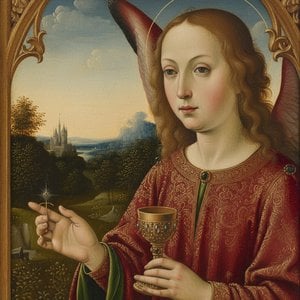
Embark on a journey through the luminous world of Early Netherlandish art. Discover the revolutionary oil techniques, microscopic realism, and sacred symbolism used by masters like Jan van Eyck to redefine Western art history in this expert-led guide.

Delve into the luminous revolution of Early Netherlandish painting. Unveil how Jan van Eyck and Flemish masters pioneered oil techniques to achieve unparalleled depth, sacred symbolism, and breathtaking realism, forever shaping the legacy of Western art history.
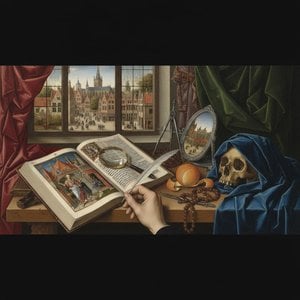
Discover the profound beauty of the Early Netherlandish Renaissance. Explore the revolutionary oil techniques, intricate symbolism, and masterful realism of Northern masters like Jan van Eyck in this expert-led guide for classical art enthusiasts.


 미리보기
미리보기
 공유하기
공유하기 공유하기
공유하기
 상세 정보
상세 정보 Guide
Guide

 다운로드
다운로드
 유사 작품
유사 작품 X-레이
X-레이 슬라이드 쇼
 통계 정보
통계 정보

 더 보기
더 보기









 유리 옵션은 110cm 미만 크기에서만 선택 가능합니다.


