A Masterpiece of Detail and Devotion
Jan van Eyck's Small Triptych (outer panels), completed in 1437 and currently residing within the Gemäldegalerie in Dresden, Germany, isn’t merely a painting; it’s an immersive experience. This intimate triptych, far smaller than its more famous cousin, the Ghent Altarpiece, offers a remarkably concentrated distillation of van Eyck's revolutionary techniques and profound understanding of human emotion and religious symbolism. It’s a testament to his meticulous observation of the world – from the glint of light on polished metal to the subtle expressions etched upon faces – and a poignant glimpse into the devotional practices of its intended audience.
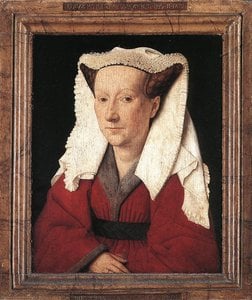
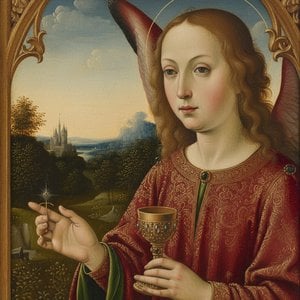
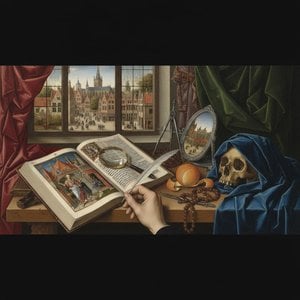
The outer panels depict two scenes of profound significance, each rendered with an astonishing level of realism that would become synonymous with Early Netherlandish painting. On one side, a man, presumably a donor, stands in humble reverence before an angel, both figures bathed in the soft glow of candlelight. The gesture of supplication, the delicate folds of his garments, and the ethereal quality of the angel’s form speak volumes about faith, humility, and the promise of divine grace. On the opposite panel, a woman sits serenely, a bird perched gently on her shoulder – a potent symbol of hope, fidelity, and perhaps even motherhood. A book rests open before her, suggesting contemplation, learning, and a connection to sacred knowledge. The inclusion of a clock in the background subtly anchors the scene within the temporal realm, reminding us of the fleeting nature of earthly existence and the enduring power of faith.
The Alchemy of Oil Paint
What truly distinguishes this triptych – and van Eyck’s entire oeuvre – is his pioneering use of oil paint. As detailed in scholarly resources like The Art Media Oil On Canvas, this medium allowed him to achieve a level of detail and luminosity previously unattainable with tempera. The rich, vibrant colors – the deep reds of the robes, the subtle blues of the sky, the burnished gold of the angel’s halo – are achieved through painstaking layering and glazing techniques. The surface itself is not merely painted; it's sculpted with light and shadow, creating a palpable sense of depth and volume. The meticulous rendering of textures—the rough fabric of the donor’s cloak, the delicate feathers of the bird—is a testament to van Eyck’s unparalleled observational skills.
Symbolism and Devotional Context
The Small Triptych is rich in iconography, reflecting the complex theological and cultural landscape of 15th-century Europe. The central inner panels, depicting the Virgin Mary and the Christ Child, are rendered with a tender intimacy that speaks to the deeply personal nature of Marian devotion. The left wing features Archangel Michael presenting a kneeling donor, a common motif in altarpieces designed to encourage viewers to contemplate their own relationship with God. St. Catherine of Alexandria, depicted reading a prayer book on the right wing, represents wisdom and piety – virtues highly valued within the Church. The presence of the clock serves as a reminder of mortality and the importance of preparing for the afterlife. The richly decorated frames, bearing Latin inscriptions, further underscore the intended audience’s education and cultural sophistication, suggesting this triptych was commissioned for a discerning patron—likely a wealthy cleric or nobleman.
A Legacy Preserved
The Small Triptych stands as a pivotal work in the history of art, demonstrating van Eyck's mastery of technique and his profound understanding of human experience. Alongside other celebrated works like Annunciation (van Eyck, Washington) and the emotionally charged Crucifixion and Last Judgement diptych, it continues to captivate art enthusiasts and historians alike. At WahooArt.com, we are proud to offer meticulously crafted hand-painted reproductions of this extraordinary masterpiece, allowing you to bring the beauty and depth of van Eyck’s vision into your own home or office. Explore our collection today and experience the enduring power of Early Netherlandish art.



 미리보기
미리보기
 손으로 그린 그림 구매
 공유하기
공유하기 공유하기
공유하기
 상세 정보
상세 정보

 다운로드
다운로드
 유사 작품
유사 작품 X-레이
X-레이 슬라이드 쇼


 더 보기
더 보기






































 유리 옵션은 110cm 미만 크기에서만 선택 가능합니다.