
빠른 제작과 다양한 마감 옵션을 제공하는 박물관 품질의 지클레이 또는 캔버스 프린트. ( 손으로 그린 그림 구매 디지털 이미지로 전환)





























작품의 원본 비율을 유지하는 미리 설정된 크기 중에서 선택하세요.

특정 프레임이나 공간에 맞춰 직접 치수를 입력하실 수 있습니다. 선택하신 사이즈가 원본 이미지의 비율과 일치하지 않을 경우, 작품을 크롭(자르기)하거나 이미지를 대칭 또는 단색 채우기로 확장하여 제작합니다. 제작 시작 전, 최종 확인을 위해 디지털 목업이 전송됩니다.
화면상의 미리보기는 실제 크롭이나 확장 상태를 반영하지 않으므로, 최종 구도는 오직 목업을 통해서만 정확하게 확인하실 수 있습니다.
맞춤 사이즈 제작도 가능하지만, 원본 비율을 유지하기 위해서는 사전 정의된 목록에서 치수를 선택하시는 것을 권장합니다.

Adam and Eve
복제본 크기
Jan van Eyck’s “Adam and Eve” transcends mere depiction; it embodies the very genesis of Western art, marking a decisive break from medieval traditions and establishing oil painting as the dominant medium for portraying religious narratives. Painted circa 1432, this monumental altarpiece resides within the Sint Janskathedraal in Ghent, Belgium—a testament to Flemish artistic ambition and devotion.
Symbolism: Beyond its narrative depiction, "Adam and Eve" is laden with symbolic significance. The positioning of Adam and Eve—facing away from God—represents humanity’s separation from divine grace. The Tree of Knowledge symbolizes enlightenment but also carries the burden of moral responsibility. The meticulous detail in depicting the fruit itself underscores the consequences of transgression.
Emotional Impact: Viewing “Adam and Eve” evokes a profound contemplation on themes of innocence, temptation, and redemption. Van Eyck’s masterful rendering captures not only the physical appearance of the figures but also their emotional states—a palpable sense of vulnerability and apprehension amidst God's stern gaze. The painting continues to inspire awe and wonder centuries later, cementing its place as an enduring masterpiece of artistic achievement.


1390 - 1441 , 네덜란드
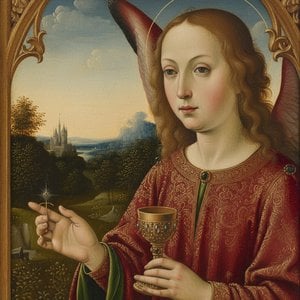
Embark on a journey through the luminous world of Early Netherlandish art. Discover the revolutionary oil techniques, microscopic realism, and sacred symbolism used by masters like Jan van Eyck to redefine Western art history in this expert-led guide.

Delve into the luminous revolution of Early Netherlandish painting. Unveil how Jan van Eyck and Flemish masters pioneered oil techniques to achieve unparalleled depth, sacred symbolism, and breathtaking realism, forever shaping the legacy of Western art history.
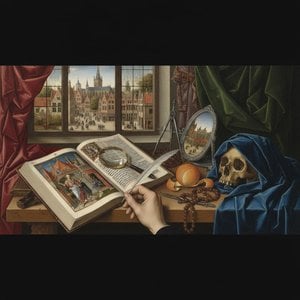
Discover the profound beauty of the Early Netherlandish Renaissance. Explore the revolutionary oil techniques, intricate symbolism, and masterful realism of Northern masters like Jan van Eyck in this expert-led guide for classical art enthusiasts.


 미리보기
미리보기
 공유하기
공유하기 공유하기
공유하기
 상세 정보
상세 정보 가이드 보기

 다운로드
다운로드
 유사 작품
유사 작품 X-레이
X-레이 슬라이드 쇼
 통계 정보
통계 정보
 더 보기
더 보기









 유리 옵션은 110cm 미만 크기에서만 선택 가능합니다.


