

 Oil On CanvasWallArtBaroque Landscape
 1660
1660 120.0 x 160.0 cm
 콘칭크릴 뮤지엄 브로네 쿠흐텐
빠른 제작과 다양한 마감 옵션을 선택할 수 있는 박물관 수준의 지클레이 및 캔버스 프린트. ( 수작업 채색 복제본 주문하기 디지털 이미지 판매 채널로 전환)





























작품의 원본 비율을 그대로 유지하는 프리셋 사이즈 중에서 선택해 보세요.

액자나 벽면 크기에 맞춰 필요한 가로와 세로 길이를 입력해 주세요. 프린트는 원본 이미지보다 크게 제작할 수 없으며 오직 자르는 것만 가능하므로, 비율이 다른 사이즈를 선택할 경우 이미지의 일부가 잘려 나갈 수 있습니다. 인쇄 작업에 들어가기 전, 최종 확인을 위해 디지털 목업을 보내드립니다. 이 페이지에 표시된 이미지는 실제 잘리는 영역을 나타내지 않으며, 오직 목업을 통해서만 정확한 확인이 가능합니다.
The Ford
복제본 규격
Jan Siberechts' "The Ford," painted in 1672, isn’t merely a landscape; it’s a carefully constructed tableau of Flemish serenity and understated elegance. Housed within the Koninklijk Museum voor Schone Kunsten in Antwerp, Belgium – a treasure trove of Flemish artistry – this oil on canvas invites us into a tranquil scene that speaks volumes about the beauty of rural life and the burgeoning artistic sensibilities of its time. Measuring 120 x 160 cm, the painting possesses a remarkable intimacy, drawing the viewer close to the figures and the gentle flow of the river.
Siberechts, born in Antwerp in 1627, navigated a fascinating artistic lineage. Trained initially by his father, a sculptor, he ultimately forged a distinct style deeply rooted in Flemish tradition yet subtly influenced by the Italianate landscape painters who were gaining prominence across Europe. His early works demonstrated an acute observation of the Flemish countryside, capturing its textures and light with remarkable precision. “The Ford” exemplifies this skill, showcasing a masterful understanding of atmospheric perspective – the distant hills dissolving into a hazy blue, while the foreground retains a crisp clarity.
At first glance, “The Ford” presents a scene of quiet domesticity. Two women are the focal point, occupying distinct yet harmonious spaces within the composition. One stands gracefully by the riverbank, holding a golden jug – its purpose subtly suggestive, perhaps for water or a simple gesture of offering. Her attire, a pristine white blouse accented with vibrant red sleeves and skirt, immediately draws attention to her figure. Beside her sits another woman, dressed in a more subdued black gown, engaged in conversation, creating a dynamic interplay between stillness and interaction.
The artist’s meticulous attention to detail is evident throughout the painting. The folds of the women's clothing are rendered with exquisite realism, each seam and texture painstakingly depicted. Siberechts expertly employs chiaroscuro – the dramatic contrast between light and shadow – to sculpt the figures and create a sense of depth. Notice how the sunlight catches the woman’s face, illuminating her features while leaving the background softly shaded, enhancing the overall atmosphere of tranquility.
“The Ford” is more than just a pretty picture; it's imbued with symbolic meaning reflective of its era. The presence of the women by the river can be interpreted as representing domesticity, fertility, and the cyclical nature of rural life. The golden jug, a symbol of abundance and hospitality, adds to this interpretation. Furthermore, the painting’s style aligns perfectly with the Baroque period's emphasis on realism and dramatic effect – a shift away from the more restrained Mannerism that preceded it.
It’s important to consider the historical context in which “The Ford” was created. Around 1672, Antwerp was experiencing a flourishing of artistic activity, fueled by royal patronage and a growing interest in landscape painting. Siberechts' work reflects this vibrant cultural climate, showcasing his ability to capture both the beauty of the Flemish countryside and the sophisticated aesthetic sensibilities of the time. The inclusion of figures within the landscape – a relatively new trend – suggests an engagement with contemporary artistic developments.
Jan Siberechts’ “The Ford” stands as a pivotal work in the development of English landscape painting, having been commissioned by George Villiers, 2nd Duke of Buckingham during his visit to Antwerp. His subsequent move to England and continued practice there solidified his position as a pioneer, introducing a distinctly Flemish sensibility to the burgeoning English tradition. The painting’s influence can be seen in later works that adopted a similar approach – depicting idyllic rural scenes with carefully rendered figures within the landscape.
Today, reproductions of “The Ford” are readily available through platforms like WahooArt.com, allowing art lovers to experience this timeless masterpiece firsthand. Its enduring appeal lies not only in its technical brilliance but also in its ability to evoke a sense of peace and nostalgia – a reminder of the simple beauty of rural life and the artistry of Jan Siberechts.
"The Ford"은(는) 1660년에 제작되었습니다. 이 시기는 얀 시베레흐츠의 예술적 경력과 당시의 시대상을 잘 보여줍니다.
얀 시베레흐츠은(는) 1660년에 "The Ford"을(를) 제작했을 당시 33세였습니다. 이 나이는 작가의 출생 연도인 1627을(를) 기준으로 계산되었습니다.
얀 시베레흐츠의 "The Ford"의 통계 페이지에서는 해당 작품의 월간 방문 수, 작가의 가장 많이 조회된 작품과의 비교, 그리고 방문자 유입 경로 등 공개 방문 통계를 제공합니다.


1627 - 1703 , 벨기에

Explore the dramatic brilliance of the Flemish Baroque movement. Discover how masters like Peter Paul Rubens utilized chiaroscuro and dynamic composition to redefine art history through light, shadow, and unparalleled emotion.

Explore the profound beauty of village scene art. From Impressionist light to pastoral realism, discover how timeless landscapes capture nostalgia through expert artistry and historical depth. Perfect for collectors seeking evocative, museum-quality landscape inspirations.
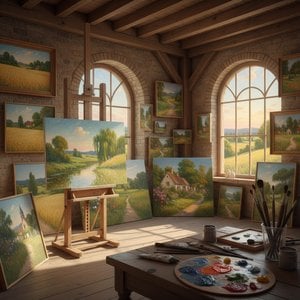
Discover the profound tranquility of rural art through an expert exploration of Impressionist landscapes. From pastoral scenes to textured oil masterpieces, learn how timeless nature-inspired artworks bring enduring elegance and serenity to sophisticated collectors.

 실제 크기로 보기
 보내기
보내기 공유하기
공유하기
 상세 보기
상세 보기 가이드 보기

 이미지 다운로드
 유사 작품 더 보기
 X-레이
X-레이 슬라이드 쇼 보기
 통계 정보
통계 정보 상세 보기
상세 보기









 유리 옵션은 110cm 미만 크기에서만 선택 가능합니다.


