


빠른 제작과 다양한 마감 옵션을 제공하는 박물관 수준의 지클레이 및 캔버스 프린트. ( 수작업 채색 복제본 주문하기 디지털 이미지로 전환)





























작품의 원본 비율을 그대로 유지하는 프리셋 사이즈 중에서 선택해 보세요.

액자나 벽면 크기에 맞춰 필요한 가로와 세로 길이를 입력해 주세요. 프린트는 원본 이미지보다 크게 제작할 수 없으며 오직 자르는 것만 가능하므로, 비율이 다른 사이즈를 선택할 경우 이미지의 일부가 잘려 나갈 수 있습니다. 인쇄 작업에 들어가기 전, 최종 확인을 위해 디지털 목업을 보내드립니다. 이 페이지에 표시된 이미지는 실제 잘리는 영역을 나타내지 않으며, 오직 목업을 통해서만 정확한 확인이 가능합니다.
Skarga`s Sermon
복제본 크기
In the grand tapestry of Polish Romanticism, few works command the room with as much gravity and historical weight as Jan Matejko’s masterpiece, Skarga's Sermon. Created in 1864, this monumental oil on canvas serves as a window into a pivotal moment of spiritual and political tension. The scene captures a gathering of souls within a dimly lit room, where the air seems thick with the weight of impending change. At the heart of this composition is the Jesuit priest Piotr Skarga, whose powerful sermon acts as the catalyst for the profound emotions displayed by those gathered around him. Through his commanding presence, Matej and the artist invites us to witness not just a religious service, but a moment of intense national reflection.
The painting is a triumph of narrative depth, where every figure contributes to a larger story of duty and dissent. Dressed in the intricate, old-fashioned attire of the 17th century, the individuals present—some standing in rapt attention, others lost in somber thought—embody the various facets of a society at a crossroads. The artist masterfully utilizes body language and facial expressions to convey the underlying tensions of an era marked by upheaval. It is a scene that transcends mere historical documentation, offering instead a visceral experience of the psychological landscape of Poland during a time of great turmoil.
Technically, Skarga's Sermon is a testament to Matejko’s extraordinary skill in handling large-scale oil painting. The artist employs a somber and dramatic color palette, dominated by deep browns, heavy blacks, and striking reds. This choice of tones does more than just set the historical stage; it creates a chiaroscuro effect that pulls the viewer into the very center of the congregation. The light seems to struggle against the shadows, highlighting the textures of fine fabrics, the glint of metal, and the weathered skin of the listeners, lending an almost tactile quality to the canvas.
For the discerning collector or interior designer, this work offers an unparalleled sense of prestige and intellectual depth. The composition is dense and layered, rewarding repeated viewings with new discoveries—from the subtle interplay of light on a dining table to the quiet, brooding presence of figures tucked into the periphery. A high-quality reproduction of such a piece brings more than just decoration to a space; it introduces a profound sense of history and a sophisticated, dramatic atmosphere that can serve as the definitive focal point of a curated gallery or an elegant study.
Beyond its aesthetic brilliance, Skarga's Sermon carries a heavy symbolic burden. As a work of historical painting, it was designed to stir the soul and remind the viewer of the complexities of the Polish spirit. The sermon itself, delivered by Skarga, is a metaphor for the call to conscience and the necessity of unity in the face of external threats. This emotional resonance is what has allowed the painting to endure as one of Jan Matejko's most celebrated achievements, housed within the prestigious National Museum in Warsaw.
To possess or display a reproduction of this work is to engage with a piece of cultural heritage that speaks of resilience and introspection. It is an ideal choice for those who appreciate art that tells a story, offering a sophisticated blend of historical accuracy and Romantic passion. Whether viewed as a study in light and shadow or as a profound historical narrative, Skarga's Sermon remains an enduring icon of artistic and national importance.
"Skarga`s Sermon"에서는 Gentle 대비와 Discordant Palette 조화가 어우러져 있습니다.
얀 마테이코의 "Skarga`s Sermon"에 담긴 정서적 톤은 Somber입니다. 이는 작품이 전달하는 감정을 요약한 것입니다.
"Skarga`s Sermon"은(는) Romanticism 양식의 작품입니다. 이 사조는 해당 작품이 속한 예술적 전통을 나타냅니다.


1838 - 1893 , 폴란드

Explore the profound beauty of Victorian Romanticism. Discover how 19th-century masters captured the sublime through untamed landscapes and raw emotion. A sophisticated guide for art enthusiasts seeking to understand the era of passion, nature, and technical brilliance.
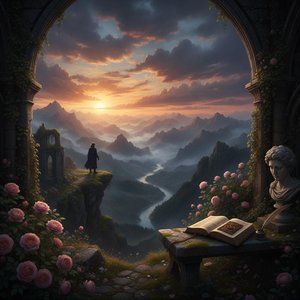
Experience the raw emotion and dramatic landscapes of the Romanticism movement. From Delacroix to Friedrich, explore 10 timeless masterpieces that define an era. Find museum-quality reproductions to inspire your decor. Discover all masterpieces on WahooArt.com.
 미리보기
미리보기
 공유하기
공유하기 공유하기
공유하기
 상세 정보
상세 정보 가이드 보기

 다운로드
다운로드
 유사 작품 더 보기
 X-레이
X-레이 슬라이드 쇼 보기
 질의응답
질의응답
 통계 정보
통계 정보

 더 보기
더 보기









 유리 옵션은 110cm 미만 크기에서만 선택 가능합니다.


![The Battle Of Grunwald [tannenberg] — 얀 마테이코, Romantic Historical Painting](/media/artworks/images-thumb/76/63/7663bffc0e03f3032abe818c6c091ed6.jpg)


