
 Oil On CanvasWallArtBaroque Realism
Baroque Realism
Oil On CanvasWallArtBaroque Realism
Baroque Realism 1663Early Modern
 국립 미술관 (National Gallery of Art)
원하는 크기와 액자로 주문 제작되는, 작가들이 직접 캔버스에 손으로 그린 유화 작품입니다. ( 프린트 판매로 전환 디지털 이미지로 전환)





























작품의 원본 비율을 유지하는 미리 설정된 크기 중에서 선택하세요.

특정 프레임이나 공간에 맞도록 직접 크기를 입력할 수 있습니다. 선택하신 크기가 원본 이미지의 비율과 일치하지 않는 경우, 작품을 자르거나 추가적인 손으로 그린 요소를 사용하여 그림을 확장합니다. 제작 시작 전 승인을 위해 디지털 목업을 보내드립니다.
화면 미리 보기는 실제 자르기 또는 확장을 반영하지 않습니다. 최종 구성은 목업을 통해서만 정확하게 확인하실 수 있습니다.
맞춤 크기 제작도 가능하지만, 원본 비율을 유지하기 위해 사전 정의된 목록에서 크기를 선택하시는 것을 권장합니다.

The Dancing Couple
복제본 크기
To gaze upon Jan Steen’s “The Dancing Couple” is to be instantly swept up in the boisterous, uninhibited spirit of a seventeenth-century Dutch kermis. Painted in 1663, this masterpiece serves as much more than a mere visual record of a village fair; it is an immersive sensory experience that captures the very heartbeat of the Dutch Golden Age. Steen, a master of the human comedy, avoids the stiff formality often found in the portraits of his era, choosing instead to plunge his audience into a room teeming with life, laughter, and a touch of delightful disorder. As the eye wanders through the scene, one encounters a tapestry of social interaction—flirtatious glances, spirited conversations, and the rhythmic movement of dancers—all set against a backdrop of domestic abundance.
The painting functions as a window into a pivotal moment of social history, where the boundaries between classes often blurred under the influence of celebration. Steen meticulously renders the textures of the era, from the heavy folds of fine fabrics to the humble surfaces of wooden tables and earthenware. Every object, whether it be a delicate wine glass catching the light or a simple bowl resting near the edge of a chair, contributes to a sense of lived-in reality. For the collector or interior designer, this work offers a profound sense of warmth and vitality, making it an ideal centerpiece for spaces that celebrate conviviality and the richness of human connection.
Technically, “The Dancing Couple” is a triumph of Baroque realism. Steen employs a sophisticated command of light and shadow to direct the viewer's gaze, pulling us toward the central figures whose movement anchors the composition amidst the surrounding frenzy. His brushwork, while precise enough to capture the glint of liquid in a glass or the subtle expression on a child's face, possesses a fluid energy that mirrors the subject matter itself. This technique allows the painting to breathe, creating an atmosphere where the air feels thick with the scent of food, the sound of music, and the warmth of a crowded room.
Beyond the surface beauty lies a deeper layer of symbolic storytelling. Steen was renowned for his ability to weave subtle moral lessons into seemingly chaotic scenes. In the tradition of the kermis paintings, the abundance of food, drink, and revelry often served as a gentle satire on the lack of moderation, inviting the viewer to reflect on the balance between enjoying life's pleasures and maintaining virtue. This duality—the tension between exuberant joy and quiet moral reflection—is what gives the work its enduring psychological depth. It is not merely a painting to be looked at, but a narrative to be read, offering layers of meaning that reveal themselves upon repeated viewing.
For those seeking to infuse their homes with character and historical soul, a high-quality reproduction of “The Dancing Couple” provides an unparalleled opportunity. The painting’s palette, rich with earthy tones punctuated by vibrant highlights, possesses a timeless elegance that complements both classical and contemporary decor. It brings a sense of storytelling to a room, acting as a conversation starter that transcends time. Whether placed in a grand dining hall to echo the festive spirit of the original or in a more intimate study to provide a window into the past, Steen’s work remains a powerful testament to the enduring beauty of the everyday human experience.


1626 - 1679 , 네덜란드

렘브란트, 베르메르의 걸작부터 할스의 인물화까지! 네덜란드 황금시대 미술의 10대 명품을 만나보세요. 예술적 깊이와 아름다움을 담은 작품들을 WahooArt에서 감상하고, 고품질 아트 프린트로 당신의 공간에 특별함을 더하세요. 지금 바로 WahooArt.com에서 모든 걸작을 발견하세요!

Explore the Dutch Golden Age of painting! Discover key artists like Vermeer & ter Borch, their innovative techniques, and the rich cultural context behind these Baroque masterpieces. Learn about collecting & appreciating this iconic art period.
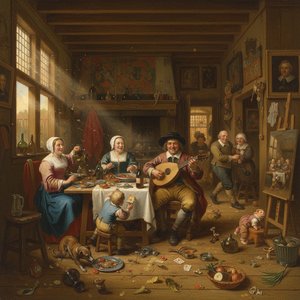
Explore the life & art of Jan Steen, a leading Dutch Golden Age painter renowned for his humorous genre scenes & insightful social commentary. Discover his techniques, legacy, and collecting tips.

Journey through the Golden Age with our guide to the Top 10 Dutch Baroque masterpieces! Explore iconic paintings by Rembrandt, Vermeer & Frans Hals. Find museum-quality art reproductions and elevate your home decor at WahooArt.com.
Discover the breathtaking beauty of Dutch Golden Age landscapes. Explore the mastery of light, chiaroscuro, and 17th-century realism through an expert art history lens, celebrating the enduring legacy of the Dutch Masters for discerning collectors and art lovers.


 미리보기
미리보기
 공유하기
공유하기 공유하기
공유하기
 상세 정보
상세 정보 가이드 보기

 다운로드
다운로드
 유사 작품
유사 작품 X-레이
X-레이 슬라이드 쇼
 통계 정보
통계 정보 더 보기
더 보기









 유리 옵션은 110cm 미만 크기에서만 선택 가능합니다.


