웹 미리보기 화면을 훨씬 뛰어넘는 인쇄용 파일을 만나보세요. 저희가 판매하는 모든 디지털 이미지는 스톡 데이터베이스 내의 고해상도 마스터 파일(일반적으로 가로 5,000~15,000픽셀)을 기반으로 합니다. 따라서 대형 인쇄나 정밀한 크롭 작업 시에도 세밀한 디테일을 자신 있게 구현할 수 있습니다.
저희 스튜디오를 거치는 모든 파일은 정교한 손길을 거칩니다. 디지털 전문가가 원작과 대조하여 색상을 점검하고 필요 시 보정하며, 전문 리터칭 도구를 사용하여 선명도와 디테일을 높입니다. 이 과정에서 작가의 붓 터치와 화풍을 충실히 유지하는 것을 원칙으로 합니다. 그 결과, 단순한 스캔본에 필터를 입힌 듯한 느낌이 아닌, 마치 실제 회화 작품을 보는 듯한 이미지를 구현해냅니다.
최종 완료 전 확인 단계가 있습니다. 전문가가 검토하실 수 있도록 72시간 이내에 이메일로 이미지를 보내드립니다. 결과물이 만족스럽지 않으신가요? 수정이나 보완을 요청하시거나, 품질이 기대에 미치지 못할 경우 환불을 요청하실 수 있습니다.
출판사, 디자인 스튜디오, 갤러리 및 인쇄소가 신뢰하는 바로 그 품질입니다.
개인 소장 및 전시, 인쇄, 창작 프로젝트를 위한 고해상도 파일을 다운로드하세요. ( 프린트 판매로 전환 수작업 채색 복제본 주문하기)
WahooArt.com를 선택하시면 단순히 이미지를 받는 것을 넘어, 정밀한 보정 과정을 거쳐 완성된 전문적인 디지털 예술 작품을 만나보실 수 있습니다. 모든 작품에는 만족 보장 서비스가 함께 제공되며, 주문 시 다음과 같은 사항들이 자동으로 포함됩니다:
주문 후 72시간 이내에 고해상도 디지털 이미지 파일이 이메일로 발송되며, 즉시 사용하실 수 있습니다.
귀하의 작품은 고급 AI 기술과 정교한 수동 편집 과정을 거쳐 전문적으로 최적화되며, 이를 통해 디테일과 선명도, 색상의 정확도를 극대화합니다.
파일을 실수로 삭제하거나 분실하셨나요? 걱정 마세요. 언제든 무료로 다시 보내드립니다.
관세나 부가세, 배송비 부담 없이 작품을 즉시 소장하세요 - 디지털 다운로드는 언제나 면세 혜택이 적용됩니다.
전문적인 도구와 색상 관리 시스템을 통해 디지털 이미지가 원본의 색상을 최대한 정확하게 구현하도록 보장합니다.
구매하신 디지털 이미지에 만족하지 못하실 경우, 100일 이내에 별도의 조건 없이 수정 또는 100% 환불을 진행해 드립니다.
만족스럽지 않으신가요? 디지털 파일을 받으신 후 100일 이내에 조건 없이 전액 환불해 드립니다.
이미지 3매 구매 시 10% 할인 - 5매 구매 시 15% 할인 - 10매 이상 구매 시 20% 할인. 크리에이티브 프로젝트, 갤러리, 에이전시에 매우 유용합니다.

Jan Hackaert, a name perhaps less familiar than those of Rembrandt or Vermeer, nevertheless stands as a significant figure within the vibrant tapestry of the Dutch Golden Age. Born in Amsterdam around 1628 and tragically passing away in 1685, Hackaert’s life was one dedicated to capturing the essence of landscape – not merely depicting scenes, but imbuing them with atmosphere, light, and a subtle, almost mystical quality. His career unfolded across Germany and Switzerland, yet his most enduring legacy lies in the meticulously rendered Italianate landscapes that defined much of his output.
Early biographical details about Hackaert are scarce, shrouded in the typical obscurity that often accompanies artists working during this period. He seems to have embarked on a series of journeys, notably traveling through Switzerland and Germany, likely seeking inspiration and opportunities. It’s within these foreign lands that his distinctive style began to take shape – a synthesis of observation and artistic license. A particularly intriguing anecdote reveals the complexities of his work; accounts suggest he was occasionally met with suspicion by local miners when sketching their operations in the mountains. The workers, understandably perplexed by his detailed renderings, viewed him as either a spy or even a practitioner of dark arts, leading to complaints and highlighting the potential for misinterpretation inherent in representing unfamiliar subjects.
Hackaert’s contribution to the artistic landscape extended beyond individual paintings. He frequently served as a landscape painter for other prominent artists, acting as a crucial collaborator. His skill was particularly valued by Nicolas Berchem and Adriaen van de Velde, who relied on his expertise to create atmospheric backgrounds that elevated their compositions. This role underscores Hackaert’s understanding of composition and color theory – he wasn't simply painting pretty pictures; he was contributing to the overall narrative and emotional impact of larger works.
A defining characteristic of Hackaert’s work is his embrace of the Italianate style, which was immensely fashionable during the Dutch Golden Age. This wasn't merely imitation; rather, he skillfully adapted Italian techniques to the Dutch landscape tradition. He masterfully employed light and shadow, creating a sense of depth and drama that mirrored the works of Venetian masters. The influence of the Italian Renaissance is evident in his use of perspective, color palettes, and the depiction of classical ruins or distant mountains – elements frequently incorporated into his compositions.
Interestingly, one particular painting—his depiction of Lake Zurich—became a source of considerable confusion for decades. Due to Hackaert’s adeptness at simulating southern Italian light and atmosphere, the lake was mistakenly identified as an Italian lake for years after its creation. This anecdote serves as a testament to his technical skill and the widespread fascination with Italian landscapes during that era.
Hackaert's paintings are characterized by a meticulous attention to detail and a sophisticated understanding of color mixing. He primarily worked in oil on panel, utilizing layering techniques to build up rich textures and luminous effects. His brushwork is often subtle yet remarkably expressive, conveying the feel of wind, water, and sunlight with remarkable precision. Hackaert’s use of glazes—thin layers of translucent paint applied over dried underlayers—allowed him to achieve a remarkable level of depth and luminosity, capturing the fleeting qualities of light in natural settings.
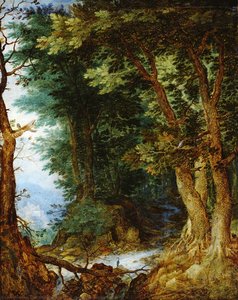
He was known for his ability to render foliage with astonishing realism, creating a sense of immersion within the depicted landscapes. His compositions frequently feature elements such as winding paths, distant hills, and shimmering water surfaces, all rendered with a remarkable degree of accuracy and atmospheric perspective. The integration of figures—often shepherds or hunters—added a human element to these idyllic scenes, further enhancing their appeal.
While Jan Hackaert may not be as widely celebrated as some of his contemporaries, his contributions to the Dutch landscape tradition are undeniable. His paintings offer a captivating glimpse into the beauty of the German and Swiss countryside during the 17th century, imbued with the spirit of the Golden Age. He demonstrated an exceptional ability to capture the essence of light and atmosphere, creating works that continue to resonate with viewers today.
Hackaert’s legacy extends beyond his individual paintings; he played a vital role in shaping the artistic landscape by collaborating with other prominent artists. His work serves as a valuable example of how artists could adapt foreign styles while maintaining their own unique vision. His meticulous approach to detail and atmospheric rendering cemented his place as a skilled and influential figure within the Dutch Golden Age art world.

1628 - 1685 , Netherlands

 실제 크기로 보기
 보내기
보내기 공유하기
공유하기
 상세 보기
상세 보기 가이드 보기

 이미지 다운로드
 유사 작품 더 보기
 X-레이
X-레이 슬라이드 쇼 보기
 Q&A
Q&A 통계 정보
통계 정보
 상세 보기
상세 보기