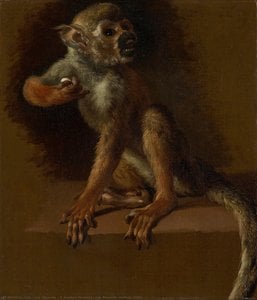
Oil On CanvasWallArtDutch Golden Age
 1650
1650 50.0 x 43.0 cm
 Mauritshuis
작가가 직접 캔버스에 손으로 그린 유화 작품으로, 원하는 크기와 액자로 맞춤 제작해 드립니다. ( 프린트 판매로 전환 디지털 이미지 판매 채널로 전환)





























작품의 원본 비율을 그대로 유지하는 프리셋 사이즈 중에서 선택해 보세요.

액자나 벽면 크기에 맞춰 필요한 가로와 세로 길이를 입력해 주세요. 본 작품은 수작업으로 제작되므로, 요청하신 비율에 따라 작가가 그림의 가장자리를 조금 더 넓게 그리거나 일부를 조정하여 작업할 수 있습니다. 작업 시작 전, 최종 확인을 위해 디지털 목업 이미지를 보내드립니다. 이 페이지에 표시된 이미지는 실제 결과물과 다를 수 있으며, 오직 목업 이미지만이 정확한 결과물을 보여줍니다.
Dead Partridge
복제본 규격
Jan Baptist Weenix’s “Dead Partridge,” painted around 1650-1652 and now residing within the esteemed Mauritshuis in The Hague, is more than just a depiction of a fallen bird; it's a meticulously crafted meditation on mortality, observation, and the subtle poetry of the natural world. Born in Amsterdam during a period of burgeoning artistic innovation, Weenix emerged as a pivotal figure in Dutch Golden Age painting, particularly renowned for his pioneering approach to Italianate landscapes infused with human presence – a technique that profoundly influenced generations of artists to come. This particular work, rendered in oil on canvas measuring 50 x 43 cm, exemplifies his mastery of chiaroscuro and his uncanny ability to capture the fleeting essence of life’s transience.
The composition is strikingly simple yet deeply resonant. A single, dead partridge hangs suspended from a nail, its feathers arranged in an almost deliberate, unsettling display against a muted beige background. The bird's posture – feet tied together, plumage spread wide – immediately evokes a sense of vulnerability and finality. Crucially, the scene isn’t presented with overt drama or pathos; instead, Weenix employs a quiet restraint that amplifies the painting’s contemplative mood. This deliberate lack of sentimentality is characteristic of his style, prioritizing precise observation and technical skill over emotional excess.
Weenix's genius lies not just in his subject matter but also in his masterful manipulation of light and shadow. The painting’s illumination is carefully controlled, creating a dramatic interplay between dark tones and subtle highlights that imbue the scene with depth and volume. The artist utilizes *chiaroscuro* – the contrasting of strong light and deep shadows – to sculpt the bird's form, drawing the viewer’s eye directly to its lifeless body. Notice how the folds of the feathers are rendered with painstaking detail, each strand appearing almost tangible. The subtle gradations of color—from the rich browns and ochres of the plumage to the cool grays and beiges of the background—further enhance the painting's realism and atmospheric quality.
Furthermore, Weenix’s technique is reminiscent of other prominent Dutch Masters like Willem Kalf and Balthasar van der Ast, both known for their meticulous attention to detail and their ability to capture the textures of everyday objects. The artist’s brushwork is remarkably smooth and controlled, contributing to the painting's overall sense of serenity and composure. The careful rendering of the nail itself—its rough texture and slightly tarnished surface—adds a layer of realism that elevates the work beyond mere representation.
“Dead Partridge” was painted during the Dutch Golden Age, a period of unprecedented artistic flourishing fueled by economic prosperity and intellectual curiosity. The painting reflects the era’s fascination with still life – a genre that allowed artists to explore themes of mortality, beauty, and the transient nature of earthly possessions. The partridge itself held symbolic significance in 17th-century Dutch culture, often associated with abundance, fertility, and even death—a poignant reminder of the cyclical nature of life and decay. The painting’s setting – a simple, neutral background – further emphasizes the bird's vulnerability and underscores its role as the central focus of attention.
Interestingly, Weenix’s work draws inspiration from Italianate traditions, particularly the depictions of hunting scenes found in the paintings of artists like Jacopo de’ Barbari. This influence is evident in the painting’s composition—the bird's pose and the arrangement of its feathers echo those seen in earlier Italian works. However, Weenix transforms these borrowed elements into something uniquely his own, imbuing them with a distinctly Dutch sensibility.
Today, “Dead Partridge” stands as a testament to Jan Baptist Weenix’s artistic vision and technical skill. If you're captivated by this hauntingly beautiful painting, consider commissioning a high-quality reproduction from our skilled artisans. We meticulously recreate the original’s nuances—the subtle gradations of color, the delicate brushwork, and the evocative atmosphere—to ensure that your reproduction captures the essence and beauty of this timeless masterpiece. Explore our available reproductions here.
"Dead Partridge"은(는) 얀 바프티스트 비닉의 작품입니다. 이 페이지의 정보는 얀 바프티스트 비닉의 원작에 대해 설명합니다.
얀 바프티스트 비닉의 "Dead Partridge"의 색채 분석은 Statement한 대비와 Unified Palette한 조화를 보여줍니다.
얀 바프티스트 비닉의 "Dead Partridge"과(와) 유사한 작품들은 해당 작품의 유사한 작품 페이지에서 확인하실 수 있습니다.

얀 바프티스트 위닉스는 세밀한 관찰력과 상상력 넘치는 비전이 결합된 독보적인 화풍으로 네덜란드 황금기 내에서 매우 특별한 위치를 차지하고 있습니다. 렘브란트나 베르메르와 같은 당대의 거장들과 비교했을 때 그의 예술적 결과물이 상대적으로 방대하지는 않았을지라도, 네덜란드 미술사에 남긴 위업은 부정할 수 없습니다. 특히 인물이 어우러진 이탈리아 풍경에 대한 그의 혁신적인 탐구는 후대에 깊은 울림을 주는 양식적 선례를 남겼습니다. 1621년 활기 넘치는 항구가 있던 암스테르담 근처에서 태어난 위닉스는 건축가 가문의 혈통을 이어받았는데, 이러한 배경은 지적·구조적 변화가 역동적이던 당시 시대상 속에서 그의 예술적 형성기에 중요한 밑거름이 되었을 것입니다.
의학적 질환으로 인해 언어 장애를 겪는 등 개인적인 시련이 있었음에도 불구하고, 위닉스는 문학과 예술에 대한 뜨거운 열정을 간직하고 있었습니다. 그의 어머니는 아들이 렘브란트의 처남인 얀 미커 밑에서 도제로 일할 수 있도록 적극적으로 뒷받침해 주었습니다. 이러한 초기 교육은 그의 작품 세계를 상징하는 특징인 정교한 드로잉과 관찰에 대한 절제된 접근 방식을 심어주었습니다. 이후 그는 위트레에서 아브라함 블로마르트의 지도 아래 기량을 더욱 연마하였고, 암스테르담으로 돌아와 클라스 코르넬리스존 모예르트에게 수학하며 네덜란드 예술계의 주류 흐름 속에 자신의 뿌리를 단단히 내렸습니다.
위닉스의 예술적 궤적은 그의 여행을 통해 근본적으로 변화하였는데, 가장 결정적인 순간은 1643년 니콜라스 피테르스존 베르헴과 함께 떠난 로마 여정이었습니다. 이 여정을 통해 그는 벤뷰헬스(Bentvueghels) 길드의 활기찬 지적·예술적 환경을 접하게 되었고, 이는 그의 예술적 스펙트럼을 더욱 확장하는 계기가 되었습니다. 로마에서 그는 따뜻하고 황금빛이 감도는 빛과 고전적인 풍경을 특징으로 하는 이탈리아 양식을 받아들였습니다. 이는 기존 네덜란드 회화의 차갑고 침울한 톤과는 아름다운 대조를 이루었습니다. 이러한 로마에서의 경험은 남유럽의 거친 아름다움을 북유럽의 시선으로 재해석한 '이탈리아풍 풍경화'의 거장으로 거듭나게 해주었습니다.
이 시기 그의 작품은 고전적 배경의 웅장함과 인간적인 친밀함을 조화롭게 결합했습니다. 해상 무역의 숨결이 느껴지는 항구 장면부터 영원성을 불러일으키는 광활한 전망에 이르기까지, 위닉스는 장소의 분위기를 포착하는 독보적인 능력을 보여주었습니다. 그의 숙련된 솜씨는 단순히 넓은 지평선에만 머물지 않았습니다. 그는 정물화를 통해 삶의 고요하면서도 때로는 본능적인 현실을 포착하는 데에도 탁월했습니다. 사냥한 동물이나 야생 동물을 묘사할 때 보여준 놀라운 사실주의는, 사냥개의 거친 털부터 깃털의 섬세한 광택에 이르기까지 모든 질감을 숨 막힐 듯 정교하게 구현해냈습니다.
얀 바프티스트 위닉스의 진정한 가치는 네덜란드 전통의 거친 사실주의와 이탈리아풍 운동의 이상적인 아름다움 사이의 간극을 메운 능력에 있습니다. 그는 사냥이 끝난 후와 같은 작품에서 발견되는 극적인 긴장감부터 동물 연구에서 느껴지는 고요하고 엄숙한 강렬함에 이르기까지, 매우 다양한 주제를 자유자로 넘나들었습니다. 그의 붓끝을 통해 관람객은 관찰된 자연 세계와 상상된 고전적 과거 사이의 경계가 아름답게 흐려지는 환상적인 세계로 초대받습니다.
그의 삶과 작품을 되돌아볼 때, 그의 영속적인 중요성을 정의하는 몇 가지 핵심 요소는 다음과 같습니다:
비록 1661년, 그의 삶은 비교적 짧게 마감되었지만, 얀 바프티스트 위닉스가 남긴 흔적은 풍경화의 진화 과정 속에 여전히 선명하게 남아 있습니다. 그는 후대의 예술가들에게 지평선이란 단순히 경계선이 아니라, 빛과 역사, 그리고 인간의 감정이 펼쳐지는 하나의 캔버스임을 가르쳐 주었습니다.

1621 - 1661

Embark on a sophisticated journey through the Dutch Golden Age. Unveil the dramatic brilliance of Rembrandt’s chiaroscuro and the expressive landscapes of 17th-century masters in this authoritative exploration of light, shadow, and enduring artistic legacy.

Explore the breathtaking mastery of Dutch Golden Age landscapes. From Italianate light to atmospheric realism, discover the techniques of 17th-century masters and learn how to bring these timeless, museum-quality masterpieces into your home through expert oil reproductions.

 실제 크기로 보기
 보내기
보내기 공유하기
공유하기
 상세 보기
상세 보기 가이드 보기

 이미지 다운로드
 유사 작품 더 보기
 X-레이
X-레이 슬라이드 쇼 보기
 Q&A
Q&A 통계 정보
통계 정보 상세 보기
상세 보기









 유리 옵션은 110cm 미만 크기에서만 선택 가능합니다.