
 Oil On CanvasWallArtRomantic Landscape
 1811
1811 76.0 x 65.0 cm
 예일 영국 미술관
원하는 크기와 액자로 주문 제작되는, 작가들이 직접 캔버스에 손으로 그린 유화 작품입니다. ( 프린트 판매로 전환 디지털 이미지로 전환)





























작품의 원본 비율을 유지하는 미리 설정된 크기 중에서 선택하세요.

특정 프레임이나 공간에 맞도록 직접 크기를 입력할 수 있습니다. 선택하신 크기가 원본 이미지의 비율과 일치하지 않는 경우, 작품을 자르거나 추가적인 손으로 그린 요소를 사용하여 그림을 확장합니다. 제작 시작 전 승인을 위해 디지털 목업을 보내드립니다.
화면 미리 보기는 실제 자르기 또는 확장을 반영하지 않습니다. 최종 구성은 목업을 통해서만 정확하게 확인하실 수 있습니다.
맞춤 크기 제작도 가능하지만, 원본 비율을 유지하기 위해 사전 정의된 목록에서 크기를 선택하시는 것을 권장합니다.

An Unknown Woman
복제본 크기
James Ward's "An Unknown Woman," painted in 1811, isn’t merely a depiction of a woman; it’s a poignant study in unspoken desire and the bittersweet ache of unrequited affection. This intimate portrait, rendered in oil on canvas with meticulous detail, captures a moment suspended between observation and yearning – a silent narrative whispered across time. Ward, a key figure in 19th-century British art, skillfully blended influences from his brother-in-law, George Morland, with the burgeoning Romantic sensibility of the era, creating an image that resonates with both classical grace and emotional depth.
The subject, identified only as “An Unknown Woman,” is seated in a simple chair, her gaze directed towards the viewer – a direct address that immediately establishes a connection. Her attire, a modest yellow dress adorned with a delicate white lace collar and a bonnet, speaks to the social conventions of the period while simultaneously hinting at an underlying vulnerability. The background, subtly rendered with two chairs and a potted plant, provides context without distracting from the central figure. Notice the careful attention to light and shadow; Ward masterfully employs chiaroscuro – the dramatic contrast between light and dark – to sculpt the woman’s face and create a sense of depth and mystery.
Ward's technique is characterized by a remarkable level of realism tempered with an expressive use of color. He employs a restrained palette, dominated by muted earth tones – ochres, browns, and greys – that lend the scene a sense of quiet dignity. However, subtle touches of yellow in the dress and hints of green in the foliage introduce warmth and vitality. The brushwork is smooth and refined, reflecting Ward’s meticulous approach to detail. The painting's composition—the woman centered within the frame, her gaze fixed on the viewer—is a deliberate choice designed to draw the eye and invite contemplation. It echoes the conventions of portraiture while simultaneously imbuing the image with an emotional charge.
Ward’s artistic development is particularly fascinating. Initially influenced by Morland's genre scenes, he gradually transitioned towards more ambitious landscapes and portraits, absorbing elements from artists like Benjamin West and Thomas Lawrence. “An Unknown Woman” represents a pivotal moment in his career, showcasing his growing mastery of psychological portraiture and his ability to convey complex emotions through subtle gestures and expressions.
Beyond its technical merits, "An Unknown Woman" is rich in symbolic meaning. The woman’s averted gaze suggests a guardedness, a reluctance to fully reveal her thoughts or feelings. Her posture—seated calmly yet with an air of quiet intensity—hints at a deep well of emotion. The painting invites us to speculate about her story: who is she? What has brought her to this moment of contemplation? The lack of explicit narrative allows the viewer to project their own experiences and emotions onto the image, transforming it into a mirror reflecting our own desires and vulnerabilities.
Furthermore, the title itself—"An Unknown Woman"—underscores the painting’s central theme: the power of unspoken longing. It speaks to the universal human experience of unfulfilled affections and the poignant beauty of moments that remain forever shrouded in mystery. The image resonates with a timeless quality, capturing a fleeting glimpse into the heart of human emotion.
Reproductions of “An Unknown Woman” offer a remarkable opportunity to experience Ward’s artistry firsthand. Whether displayed in a formal gallery setting or incorporated into a personal interior design scheme, this painting continues to captivate viewers with its quiet intensity and evocative beauty. Consider framing the reproduction in a classic style to complement the painting's historical context, or opt for a contemporary frame that adds a touch of modern flair. The image’s subtle color palette and nuanced composition make it an ideal choice for creating a serene and contemplative atmosphere.

제임스 워드(1769-1859)는 매혹적인 동물화와 낭만적인 풍경화, 그리고 통찰력 넘치는 초상화로 이름을 떨친 영국의 저명한 화가입니다. 비록 당대의 다른 거장들에 비해 상대적으로 덜 주목받기도 했으나, 그만의 독창적인 화풍과 탁월한 기량은 19세기 영국 미술의 발전에 지대한 영향을 미쳤습니다.
1769년 10월 23일 영국 런던에서 태어난 제임스 워드는 판화가인 형 윌리엄 워드의 동생으로 자라났습니다. 창의적인 예술가 집안의 환경 속에서 그의 예술적 재능은 자연스럽게 꽃을 피울 수 있었습니다. 비록 정규 교육을 일부 받기도 했으나, 그의 예술적 성장은 주로 스스로의 관찰과 끊임없는 연습을 통해 이루어진 자기 주도적인 과정이었습니다.
워드의 예술적 경력은 그가 받은 영향에 따라 크게 두 시기로 나뉩니다. 초기부터 1803년경까지 그의 작품은 처남인 조지 몰랜드(George Morland)의 화풍과 매우 닮아 있었는데, 주로 일상적인 삶을 다룬 풍속화적 성격이 강했습니다. 그러나 이후 그는 바로크 거장 피터 파울 루벤스(Peter Paul Rubens)에게서 깊은 영감을 얻으며 커다란 전환점을 맞이합니다. 이를 통해 더욱 역동적인 구도와 풍부한 색채, 그리고 빛과 그림자를 극적으로 활용하는 드라마틱한 화풍을 구축하게 되었습니다.
워드만의 독보적인 스타일은 그를 동시대의 다른 화가들과 차별화하는 핵심 요소였습니다. 그는 역사화부터 초상화, 풍경화, 그리고 동물화에 이르기까지 다양한 장르에서 탁월한 능력을 발휘했습니다. 그의 예술적 정수를 보여주는 대표작들은 다음과 같습니다:
그의 회화는 특히 동물을 묘사할 때 나타나는 세밀한 디테일과, 자연의 아름다움 및 경외감을 강조하는 낭만적 감수성이 조화를 이루는 것이 특징입니다.
워드는 테오필루스 레빗과 같은 저명한 인물들의 후원을 받으며 수많은 작품 활동을 이어갔습니다. 그는 로열 아카데미에 정기적으로 작품을 출품하며 자신의 독창성과 기술력을 인정받았고, 1811년에는 로열 아카데미의 정회원으로 입회하며 영국 미술계 내에서 확고한 입지를 다졌습니다.
워드는 1855년 뇌졸중으로 인해 예술 활동에 제약을 받기 전까지 매우 왕성하게 작품 활동을 이어갔습니다. 비록 과거의 명성과 달리 말년에는 상대적인 빈곤 속에서 1859년 11월 17일 생을 마감하였습니다.
삶의 후반기에 경제적 어려움을 겪었음에도 불구하고, 영국 미술사에 남긴 제임스 워드의 영향력은 부정할 수 없습니다. 사실주의와 낭만주의를 결합한 그의 독특한 화풍은 후대 동물화가들과 풍경화가들에게 길을 열어주었습니다. 오늘날 그의 작품들은 테이트 브리튼(Tate Britain)과 예일 영국 미술 센터(Yale Center for British Art) 등 세계적인 미술관에 소장되어 그 가치를 빛내고 있습니다.
제임스 워드는 영국 미술이 신고전주의에서 낭만주의로 이행하던 과도기적 시기에 매우 중요한 위치를 차지합니다. 그는 전통적인 풍속화와 새롭게 부상하던 풍경화 및 자연주의 사이의 간극을 메우며, 오늘날까지도 우리에게 깊은 영감과 감동을 주는 매혹적인 유산을 남겼습니다.

1769 - 1859 , 영국

단테 가브리엘 로세티의 시대를 초월하는 걸작 25선을 만나보세요. 프레라파엘리트 운동의 정수를 담은 그림 속 아름다움과 상징을 탐험하고, WahooArt에서 고품질 미술 작품으로 공간에 예술적인 감성을 더하세요. 지금 바로 컬렉션을 확인하세요!

Explore the captivating world of James Ward (1769-1859), a master of British Romantic landscape & animal painting. Discover his iconic 'Gordale Scar' and exquisite portraits – a timeless art investment. Learn about his influences, style, and enduring legacy.
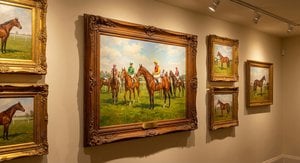
Explore 25 iconic Sir Alfred Munnings paintings! Discover the beauty of British Impressionism, equine art & rural England. Find museum-quality reproductions and elevate your home decor with WahooArt. Explore the full collection online.

Explore the life & art of James Sant (1820-1916), renowned Victorian portraitist to Queen Victoria. Discover his captivating depictions of childhood, landscapes, and aristocratic society. Learn about his legacy & find fine art reproductions.

제임스 애벗 맥닐 휘슬러의 최고 걸작 25선을 만나보세요. 야간 풍경부터 아랑미술관 소장품까지, 예술가의 삶과 작품 세계를 탐험합니다. 색채와 분위기가 완벽한 조화를 이루는 그림들을 WahooArt.com에서 감상하고 특별한 공간을 완성하세요.


 미리보기
미리보기
 공유하기
공유하기 공유하기
공유하기
 상세 정보
상세 정보 가이드 보기

 다운로드
다운로드
 유사 작품
유사 작품 X-레이
X-레이 슬라이드 쇼
 통계 정보
통계 정보 더 보기
더 보기









 유리 옵션은 110cm 미만 크기에서만 선택 가능합니다.


