
x


 Harlem Renaissance
 1938
1938 20.0 x 25.0 cm
빠른 제작과 다양한 마감 옵션을 제공하는 박물관 품질의 지클레이 또는 캔버스 프린트. ( 손으로 그린 그림 구매 이미지 구매)
작품의 원본 비율을 유지하는 미리 설정된 크기 중에서 선택하세요.

특정 프레임이나 공간에 맞춰 직접 치수를 입력하실 수 있습니다. 선택하신 사이즈가 원본 이미지의 비율과 일치하지 않을 경우, 작품을 크롭(자르기)하거나 이미지를 대칭 또는 단색 채우기로 확장하여 제작합니다. 제작 시작 전, 최종 확인을 위해 디지털 목업이 전송됩니다.
화면상의 미리보기는 실제 크롭이나 확장 상태를 반영하지 않으므로, 최종 구도는 오직 목업을 통해서만 정확하게 확인하실 수 있습니다.
맞춤 사이즈 제작도 가능하지만, 원본 비율을 유지하기 위해서는 사전 정의된 목록에서 치수를 선택하시는 것을 권장합니다.

The Heiress
복제본 크기

To look through the lens of James Van Der Zee is to witness the heartbeat of a golden era. More than a mere photographer, Van Der Zee acted as a visual historian, an anthropologist of the soul, and a meticulous chronicler of the Harlem Renaissance. His work does not simply record faces; it captures the profound dignity, the burgeoning elegance, and the unyielding aspirations of Black New Yorkers during one of the most transformative periods in American history. Through his camera, the streets of Harlem were transformed into stages of sophisticated domesticity and vibrant social triumph, preserving a legacy that might otherwise have been lost to the shadows of time.
Born in 1886 in the quiet town of Lenox, Massachusetts, Van Der Zee’s journey toward artistic mastery began with a profound sensitivity to rhythm and light. Before he ever mastered the darkroom, he was a gifted musician, an aspiring violinist who understood the cadence of storytelling. This early immersion in music likely informed his photographic eye, allowing him to compose images with a lyrical grace. His first foray into photography was born of pure, resourceful passion; at just fourteen years old, he acquired his first camera and improvised a makeshift darkroom within his family home. These formative years of self-taught experimentation laid the groundwork for a career defined by technical precision and an innate ability to find beauty in the everyday.
The trajectory of Van Der Zee’s life shifted dramatically when he moved to Harlem in 1905. While working humble jobs as a waiter and elevator operator, his artistic ambitions never wavered. He was deeply embedded in the cultural fabric of the community, eventually becoming a key figure in the Harlem Orchestra. This deep connection to the local rhythm of life provided him with unparalleled access to the people who would become his most iconic subjects. In 1915, a pivotal professional opportunity arose in Newark, New Jersey, where he joined a portrait studio. Starting as a darkroom assistant and rising to the rank of portraitist, he refined the technical skills necessary to create the stylized, polished aesthetic that would become his trademark.
Upon returning to Harlem in 1916, Van Der Zee established a permanent creative foothold by founding the Toussaint Conservatory of Art and Music alongside his sister, Jennie Louise Van De Zee. This studio became much more than a place of business; it was a cornerstone of the Harlem artistic ecosystem. Here, he could blend his photographic prowess with his love for the arts, creating a space where Black creativity could flourish. His work during this period began to capture the rising Black middle class, documenting families in their finest attire, celebrating milestones like baptisms and weddings, and immortalizing the sophisticated socialites of the Jazz Age.
The true historical significance of Van Der Zee lies in his ability to present a counter-narrative to the prevailing racial stereotypes of his time. While much of the mainstream media focused on caricature, Van Der Zee’s portraits emphasized elegance, prosperity, and poise. He utilized lighting and composition to bestow a sense of grandeur upon his subjects, whether they were famous intellectuals or local shopkeepers. His lens captured the essence of the "New Negro" movement—a period of intense pride and self-determination.
His portfolio is a breathtaking tapestry of Harlem life, featuring legendary figures such as:
Through works like The Heiress, he showcased a world of refined domesticity, using symmetrical compositions and rich textures to evoke a sense of stability and grace. Even in his more candid captures of social events, such as the Harlem Society Tea, there is an unmistakable sense of ceremony. Van Der Zee did not just take pictures; he constructed a visual identity for a community, ensuring that the splendor of Harlem’s Golden Age would remain etched in the collective memory of the world forever.

1886 - 1983

제임스 애벗 맥닐 휘슬러의 최고 걸작 25선을 만나보세요. 야간 풍경부터 아랑미술관 소장품까지, 예술가의 삶과 작품 세계를 탐험합니다. 색채와 분위기가 완벽한 조화를 이루는 그림들을 WahooArt.com에서 감상하고 특별한 공간을 완성하세요.
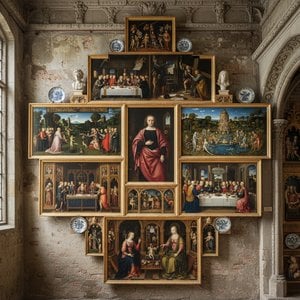
Journey into the Early Netherlandish Renaissance! Explore 10 iconic paintings by Jan van Eyck, Rogier van der Weyden & more. Discover stunning detail, symbolism, and oil painting techniques. Find museum-quality art reproductions for your home at WahooArt.com.

Explore the revolutionary art of Hugo van der Goes – a master of Early Netherlandish painting renowned for his dramatic realism, psychological depth & profound influence on Renaissance artists. Discover his iconic works and lasting legacy.

Explore 10 iconic paintings dominated by black tones, from Rembrandt’s chiaroscuro to Goya's dark expressions. Discover the stories behind these masterpieces & find museum-quality art reproductions for your home at .
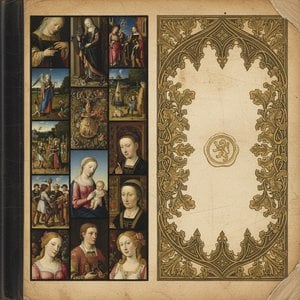
Journey into the world of Early Netherlandish painting! Explore 10 masterpieces by Jan van Eyck, Rogier van der Weyden & more. Discover stunning detail, symbolism & Renaissance art for your home decor. Find museum-quality reproductions on WahooArt.com


최신 미술 뉴스, 특별 혜택 및 인테리어 아이디어를 가장 먼저 만나보세요.
프로젝트에 대해 알려주시면 저희 미술 전문가들이 맞춤형 아트 제안 3가지를 전달해 드립니다.
당신만을 위한 맞춤형 옵션 3가지를 무료로 추천해 드립니다!


 미리보기
미리보기
 공유하기
공유하기 공유하기
공유하기
 상세 정보
상세 정보

 다운로드
다운로드
 유사 작품
유사 작품 X-레이
X-레이 슬라이드 쇼
 더 보기
더 보기






































 유리 옵션은 110cm 미만 크기에서만 선택 가능합니다.


