빠른 제작과 다양한 마감 옵션을 선택할 수 있는 박물관 수준의 지클레이 및 캔버스 프린트. ( 수작업 채색 복제본 주문하기 디지털 이미지 판매 채널로 전환)





























작품의 원본 비율을 그대로 유지하는 프리셋 사이즈 중에서 선택해 보세요.

특정 프레임이나 공간에 맞춰 직접 치수를 입력하실 수 있습니다. 선택하신 사이즈가 원본 이미지의 비율과 일치하지 않을 경우, 작품을 크롭(자르기)하거나 이미지를 대칭 또는 단색 채우기로 확장하여 제작합니다. 제작 시작 전, 최종 확인을 위해 디지털 목업이 전송됩니다.
화면상의 미리보기는 실제 크롭이나 확장 상태를 반영하지 않으므로, 최종 구도는 오직 목업을 통해서만 정확하게 확인하실 수 있습니다.
맞춤 사이즈 제작도 가능하지만, 원본 비율을 유지하기 위해서는 사전 정의된 목록에서 치수를 선택하시는 것을 권장합니다.

The Golden Age (study)
복제본 규격
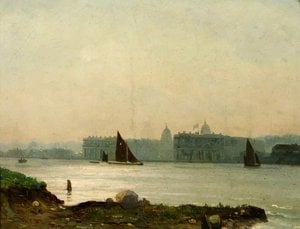
James Francis Danby's "The Golden Age (Study)," painted in 1827, isn’t merely a landscape; it’s a visceral plunge into the heart of the Romantic movement. This evocative work, rendered in meticulous black and white photography, offers a tantalizing glimpse into the artist’s creative process – a preparatory study for what would become a monumental canvas brimming with dramatic light and shadowed emotion. The photograph itself, a testament to early photographic techniques, captures the essence of Danby's vision with remarkable clarity, revealing the subtle brushstrokes and layered composition that define his unique style.
Born in County Wexford, Ireland, in 1793, James Francis Danby’s life was shaped by both privilege and profound loss. The sudden death of his father at a young age propelled him to Dublin, where he received rigorous training under the tutelage of esteemed landscape artists like James Arthur O’Connor and George Petrie. This formative period instilled in him not just technical proficiency but also a deep appreciation for landscape as a conduit for expressing intense emotion – a core tenet of Romanticism. Danby's work frequently explored themes of sublime beauty, dramatic weather, and the power of nature to evoke both awe and terror, drawing inspiration from the rugged Irish coastline and the vastness of the European wilderness.
“The Golden Age (Study)” exemplifies Danby’s masterful command of atmospheric perspective and dramatic lighting. The composition is carefully constructed to draw the viewer into a scene teeming with figures amidst a sprawling, wooded landscape. Notice how he utilizes light – a diffused, almost ethereal glow – to sculpt the forms of the trees and the human subjects, creating a sense of depth and mystery. The loose brushwork visible in the photograph hints at the energetic application of paint characteristic of Danby’s finished works. The placement of figures, seemingly caught in a moment of contemplation or perhaps even apprehension, adds a layer of narrative complexity to the scene. It's clear that this wasn’t simply a depiction of scenery; it was an attempt to capture a specific mood and feeling.
The title itself, “The Golden Age,” evokes a sense of nostalgia and perhaps even melancholy – a yearning for a lost ideal. While the exact meaning remains open to interpretation, it’s likely referencing a period of prosperity and beauty now fading into memory. The presence of figures within the landscape suggests humanity's relationship with nature: are they masters or subjects? The animal figure, partially obscured in the background, could represent instinct, wildness, or perhaps even a connection to the ancient past. More broadly, the painting speaks to the Romantic fascination with the sublime – that feeling of awe and terror inspired by the overwhelming power of nature. Danby’s work invites us to contemplate our place within this grand, untamed world.
Reproductions of “The Golden Age (Study)” offer a remarkable opportunity to bring the intensity and beauty of Danby’s Romantic vision into your home or office. Whether adorning a grand salon or adding character to a more intimate space, this artwork serves as a powerful reminder of the enduring appeal of landscape painting and the profound emotional impact of art. Consider commissioning a hand-painted reproduction – a faithful recreation that captures not only the visual details but also the spirit and atmosphere of this iconic work.


1793 - 1861 , 아일랜드

Explore the breathtaking mastery of Dutch Golden Age landscapes. From Italianate light to atmospheric realism, discover the techniques of 17th-century masters and learn how to bring these timeless, museum-quality masterpieces into your home through expert oil reproductions.

 실제 크기로 보기
 보내기
보내기 공유하기
공유하기
 상세 보기
상세 보기 가이드 보기

 이미지 다운로드
 유사 작품 더 보기
 X-레이
X-레이 슬라이드 쇼 보기
 통계 정보
통계 정보


 상세 보기
상세 보기









 유리 옵션은 110cm 미만 크기에서만 선택 가능합니다.