

 Acrylic On CanvasWallArtExpressionist Symbolism
 1891
1891 38.0 x 46.0 cm
작가가 직접 캔버스에 손으로 그린 유화 작품으로, 원하는 크기와 액자로 맞춤 제작해 드립니다. ( 프린트 판매로 전환 디지털 이미지 판매 채널로 전환)





























작품의 원본 비율을 그대로 유지하는 프리셋 사이즈 중에서 선택해 보세요.

액자나 벽면 크기에 맞춰 필요한 가로와 세로 길이를 입력해 주세요. 본 작품은 수작업으로 제작되므로, 요청하신 비율에 따라 작가가 그림의 가장자리를 조금 더 넓게 그리거나 일부를 조정하여 작업할 수 있습니다. 작업 시작 전, 최종 확인을 위해 디지털 목업 이미지를 보내드립니다. 이 페이지에 표시된 이미지는 실제 결과물과 다를 수 있으며, 오직 목업 이미지만이 정확한 결과물을 보여줍니다.
The Wise Judges
복제본 규격
James Ensor's "The Wise Judges," painted in 1891, isn’t merely a depiction of a courtroom scene; it’s a carefully constructed interrogation of power, authority, and the very nature of judgment. This tempera work, measuring just 38 x 46 cm, now residing within the Royal Museums of Fine Arts of Belgium, possesses an unsettling beauty that continues to resonate with viewers over a century later. Ensor, born in Ostend—a town steeped in maritime history and a vibrant crossroads of cultures – expertly utilizes a muted palette and deliberately simplified forms to create an atmosphere thick with unease and subtle critique. The painting immediately draws the eye to the figures seated around the table, their faces rendered with childlike simplicity, almost as if they’ve been sketched by a young child themselves. This deliberate lack of detail isn't accidental; it serves to expose the potential naiveté or inherent flaws within those entrusted with wielding judicial power.
“The Wise Judges” firmly establishes Ensor as a pivotal figure within the burgeoning Expressionist movement, though he predates its formal definition. His style is characterized by bold lines, vibrant yet restrained colors, and a fascinating interplay between realism and abstraction. He doesn’t shy away from distortion; the figures are slightly skewed, their proportions subtly off-kilter, creating a sense of unease and disorientation. This deliberate manipulation of form reflects Ensor's broader artistic project – to expose the anxieties and contradictions inherent in modern society. The influence of Symbolism is also evident, particularly in the use of objects as symbols rather than simply decorative elements. The empty chairs scattered around the table are a powerful visual metaphor for absence, suggesting that justice isn’t always served, or perhaps that there are unseen forces at play.
Created in Brussels during a period of significant social and political upheaval, “The Wise Judges” can be understood as a commentary on the established order. Belgium itself was grappling with questions of national identity and governance, and Ensor’s work reflects this broader sense of uncertainty. The painting's satirical edge speaks to a growing disillusionment with institutions – particularly those claiming authority – prevalent throughout Europe at the time. It’s important to remember that Ensor wasn’t simply depicting a courtroom; he was offering a critique of the *idea* of justice, questioning whether the system truly served its intended purpose. The painting's creation coincided with a period of intense artistic experimentation and social commentary, making it a vital document of its era.
“The Wise Judges” continues to captivate viewers not just for its technical skill but also for its profound emotional impact. The painting’s unsettling atmosphere, combined with the ambiguous nature of the scene, invites us to confront uncomfortable questions about power, truth, and justice. A high-quality reproduction captures this essence beautifully, allowing you to bring this thought-provoking artwork into your home or office. WahooArt offers meticulously crafted hand-painted reproductions that faithfully recreate Ensor’s unique style and symbolic depth. Whether you're an art collector, a design enthusiast, or simply someone seeking a piece with historical significance and emotional resonance, “The Wise Judges” is a compelling addition to any collection. Consider how the muted tones and simplified forms can contribute to a contemplative atmosphere within your space – a subtle reminder of the complexities inherent in our pursuit of justice.
"The Wise Judges"의 명암 대비는 Statement로 기록되었습니다. 대비는 밝은 부분과 어두운 부분의 차이가 얼마나 강한지를 나타냅니다.
제임스 엔서의 "The Wise Judges"의 기록된 휘도는 Gentle Luminance입니다.
Expressionist Symbolism 양식의 작품 "The Wise Judges"은 벨기에에서 태어난 작가에 의해 제작되었습니다.

James Sidney Edouard, Baron Ensor (Ostend, 13 April 1860 – 19 November 1949) was a Belgian painter and printmaker who stands as one of the most influential figures in the development of Expressionism and Surrealism. Born into an English father and Belgian mother amidst the vibrant atmosphere of Ostend’s annual Carnival—a formative experience that profoundly shaped his artistic vision—Ensor embarked on a lifelong journey to explore the darker recesses of human psychology and challenge conventional aesthetic standards.
From a young age, Ensor demonstrated an innate talent for drawing and painting, nurtured by local instructors and fueled by an unwavering fascination with observation. His formative years were spent studying at the College of the Blessed Virgin in Ostend, where he honed his skills alongside fellow artists like Fernand Khnopff and Theo Van Rysselberghe—artists who would later become associated with the influential *Les XX* group.
Ensor’s artistic trajectory took a decisive turn in the late 1880s as he abandoned academic realism for a bold embrace of grotesque expressionism. Influenced by Rembrandt, Francisco Goya, and Japanese woodcuts—artists who championed emotional intensity and unsettling imagery—he began to populate his canvases with disturbing tableaux featuring skeletons battling over a hanged man, masks embodying hidden identities, and allegorical figures confronting existential anxieties.
Among Ensor’s most celebrated works are *The Scandalized Masks* (1883), which captures the pervasive influence of disguise and social critique; *Skeletons Fighting over a Hanged Man* (1891), a haunting meditation on mortality and decay; and *Christ's Entry into Brussels* (1888–89)—a monumental painting that satirizes religious hypocrisy with unflinching boldness. Recurring throughout Ensor’s oeuvre are explorations of death, social injustice, psychological torment, and the boundless potential for imaginative distortion—themes that continue to resonate powerfully with audiences today.
James Ensor's uncompromising artistic vision irrevocably altered the course of modern art. Rejecting academic conventions and embracing subjective experience, he paved the way for subsequent generations of artists who dared to confront uncomfortable truths and challenge established norms. His pioneering use of grotesque imagery—coupled with his masterful manipulation of color and line—established a distinctive stylistic vocabulary that profoundly impacted Expressionist painters like Edvard Munch and Ernst Ludwig Kirchner—artists who similarly sought to convey inner turmoil and psychological complexity.

1860 - 1949 , 벨기에
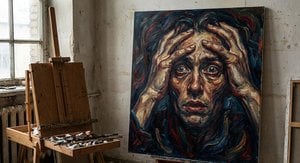
Explore the powerful world of Figurative Expressionism with WahooArt. Discover key artists like Kirchner & Beckmann, understand its emotional depth, and learn how to collect this influential 20th-century art movement.
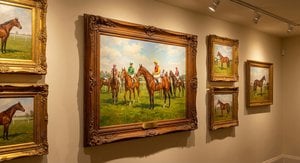
Explore 25 iconic Sir Alfred Munnings paintings! Discover the beauty of British Impressionism, equine art & rural England. Find museum-quality reproductions and elevate your home decor with WahooArt. Explore the full collection online.

Explore the raw emotion of Expressionism with WahooArt. Discover its history, key artists like Kirchner & Munch, and lasting influence on modern art. Expert insights for collectors & enthusiasts.

Explore the unsettling yet captivating world of James Ensor, a pioneer of Expressionism. Discover his satirical masterpieces, symbolic imagery & lasting influence on modern art. High-quality reproductions available at WahooArt.

제임스 애벗 맥닐 휘슬러의 최고 걸작 25선을 만나보세요. 야간 풍경부터 아랑미술관 소장품까지, 예술가의 삶과 작품 세계를 탐험합니다. 색채와 분위기가 완벽한 조화를 이루는 그림들을 WahooArt.com에서 감상하고 특별한 공간을 완성하세요.

 실제 크기로 보기
 보내기
보내기 공유하기
공유하기
 상세 보기
상세 보기 가이드 보기

 이미지 다운로드
 유사 작품 더 보기
 X-레이
X-레이 슬라이드 쇼 보기
 Q&A
Q&A 통계 정보
통계 정보 상세 보기
상세 보기









 유리 옵션은 110cm 미만 크기에서만 선택 가능합니다.


