

빠른 제작과 다양한 마감 옵션을 선택할 수 있는 박물관 수준의 지클레이 및 캔버스 프린트. ( 수작업 채색 복제본 주문하기 디지털 이미지 판매 채널로 전환)





























작품의 원본 비율을 그대로 유지하는 프리셋 사이즈 중에서 선택해 보세요.

특정 프레임이나 공간에 맞춰 직접 치수를 입력하실 수 있습니다. 선택하신 사이즈가 원본 이미지의 비율과 일치하지 않을 경우, 작품을 크롭(자르기)하거나 이미지를 대칭 또는 단색 채우기로 확장하여 제작합니다. 제작 시작 전, 최종 확인을 위해 디지털 목업이 전송됩니다.
화면상의 미리보기는 실제 크롭이나 확장 상태를 반영하지 않으므로, 최종 구도는 오직 목업을 통해서만 정확하게 확인하실 수 있습니다.
맞춤 사이즈 제작도 가능하지만, 원본 비율을 유지하기 위해서는 사전 정의된 목록에서 치수를 선택하시는 것을 권장합니다.

The Gendarmes
복제본 규격
James Ensor's "The Gendarmes," a powerfully evocative monochromatic etching, isn’t merely a depiction of a scene; it’s a carefully constructed tableau brimming with social commentary and unsettling psychological depth. Completed in 1888, this work immediately draws the viewer into a densely packed urban landscape – a chaotic confluence of soldiers, civilians, and an atmosphere thick with unspoken tension. The image, born from Ensor's unique perspective as a Belgian artist living in Ostend, reflects his fascination with masks, carnivals, and the darker aspects of human nature, all rendered through the meticulous precision of etching technique.
The composition itself is deliberately claustrophobic. Figures are layered upon one another, creating an almost suffocating sense of proximity. Linear perspective is subtly flattened, suggesting a stage-like presentation rather than a realistic portrayal of space – a deliberate choice that amplifies the feeling of observation and detachment. The soldiers, rendered with exaggerated features and a certain severity in their expressions, dominate the scene, embodying authority and order. Yet, even within this framework of control, there’s an undeniable undercurrent of unease, hinting at the potential for rebellion or dissent simmering beneath the surface.
Ensor's mastery lies in his command of etching. The work is executed with thick, expressive lines that define forms with remarkable clarity while simultaneously generating a rich textural quality. These aren’t delicate, refined lines; they possess a palpable energy, conveying the urgency and intensity of the scene. The monochromatic palette – primarily shades of grey – further enhances this effect, stripping away any distractions and focusing attention on the intricate details of the composition and the expressive power of the linework. The process itself—incising into a metal plate and then applying ink before pressing onto paper—is evident in the grainy texture that surfaces, lending the image a tactile quality that invites close examination.
Notably, Ensor employed gouache additions to the etching plate, subtly enhancing certain areas with color. This layering of techniques adds another layer of complexity and visual interest, particularly noticeable in the faces of some figures, where the use of color contributes to their psychological intensity. The careful control demonstrated in this process speaks volumes about Ensor’s artistic discipline and his ability to manipulate the etching medium to achieve a specific effect.
“The Gendarmes” is far more than just a snapshot of a street scene; it's a potent symbol of societal control and the anxieties of the late 19th century. The uniforms and weaponry of the soldiers immediately evoke notions of authority, law enforcement, and potentially, repression. However, Ensor doesn’t simply celebrate these symbols of order. Instead, he presents them within a context that suggests their potential for misuse or abuse. The watchful gaze of the gendarmes, coupled with the apprehensive expressions of the onlookers, hints at a power dynamic fraught with tension.
The presence of masks – a recurring motif in Ensor’s work – is particularly significant. They represent hidden identities, deception, and the performance of social roles. The scene itself can be interpreted as a commentary on the superficiality of appearances and the underlying anxieties of a rapidly changing society. Considering Ensor's upbringing amidst the spectacle of Ostend's carnival, it’s reasonable to suggest that this image reflects his lifelong engagement with themes of disguise and the unsettling nature of human behavior.
James Ensor stands as a pivotal figure in the development of both Expressionism and Surrealism. “The Gendarmes” exemplifies his unique artistic vision – a blend of realism, symbolism, and psychological intensity that continues to resonate with viewers today. His willingness to challenge conventional artistic norms and explore unsettling subject matter paved the way for future generations of artists who sought to express their inner worlds through unconventional means. Reproductions of this powerful etching offer a remarkable opportunity to experience firsthand the genius of James Ensor and to contemplate the enduring relevance of his profound social commentary.
제임스 엔서의 "The Gendarmes" 작품은 Landscape 방향의 Medium 크기로 인쇄하는 것을 추천합니다.
제임스 엔서의 "The Gendarmes"에 담긴 분위기는 Dramatic이며, 정서적 어조는 Melancholic입니다.
"The Gendarmes"의 작가는 제임스 엔서입니다. 이 작품은 제임스 엔서의 이름으로 등록되어 있습니다.
"The Gendarmes" 작품은 리넨 캔버스 위에 손으로 직접 그린 유화 복제화로 만나보실 수 있습니다. 다양한 사이즈 중 선택하여 현재 페이지에서 주문하실 수 있습니다.
제임스 엔서의 "The Gendarmes"의 이미지는 작품의 다운로드 페이지에서 다운로드하실 수 있습니다: 고해상도 디지털 이미지 다운로드.
"The Gendarmes" 작품은 코튼 캔버스 또는 아카이브용 캔버스지에 인쇄된 파인 아트 프린트로 만나보실 수 있습니다. 주문은 현재 페이지에서 원하시는 사이즈를 선택하여 진행하실 수 있습니다.
제임스 엔서의 "The Gendarmes"의 기록된 휘도는 Gentle Luminance입니다.

James Sidney Edouard, Baron Ensor (Ostend, 13 April 1860 – 19 November 1949) was a Belgian painter and printmaker who stands as one of the most influential figures in the development of Expressionism and Surrealism. Born into an English father and Belgian mother amidst the vibrant atmosphere of Ostend’s annual Carnival—a formative experience that profoundly shaped his artistic vision—Ensor embarked on a lifelong journey to explore the darker recesses of human psychology and challenge conventional aesthetic standards.
From a young age, Ensor demonstrated an innate talent for drawing and painting, nurtured by local instructors and fueled by an unwavering fascination with observation. His formative years were spent studying at the College of the Blessed Virgin in Ostend, where he honed his skills alongside fellow artists like Fernand Khnopff and Theo Van Rysselberghe—artists who would later become associated with the influential *Les XX* group.
Ensor’s artistic trajectory took a decisive turn in the late 1880s as he abandoned academic realism for a bold embrace of grotesque expressionism. Influenced by Rembrandt, Francisco Goya, and Japanese woodcuts—artists who championed emotional intensity and unsettling imagery—he began to populate his canvases with disturbing tableaux featuring skeletons battling over a hanged man, masks embodying hidden identities, and allegorical figures confronting existential anxieties.
Among Ensor’s most celebrated works are *The Scandalized Masks* (1883), which captures the pervasive influence of disguise and social critique; *Skeletons Fighting over a Hanged Man* (1891), a haunting meditation on mortality and decay; and *Christ's Entry into Brussels* (1888–89)—a monumental painting that satirizes religious hypocrisy with unflinching boldness. Recurring throughout Ensor’s oeuvre are explorations of death, social injustice, psychological torment, and the boundless potential for imaginative distortion—themes that continue to resonate powerfully with audiences today.
James Ensor's uncompromising artistic vision irrevocably altered the course of modern art. Rejecting academic conventions and embracing subjective experience, he paved the way for subsequent generations of artists who dared to confront uncomfortable truths and challenge established norms. His pioneering use of grotesque imagery—coupled with his masterful manipulation of color and line—established a distinctive stylistic vocabulary that profoundly impacted Expressionist painters like Edvard Munch and Ernst Ludwig Kirchner—artists who similarly sought to convey inner turmoil and psychological complexity.

1860 - 1949 , 벨기에

Master the nuances of Giclée printing with our expert guide. Discover how pigment-based inks and museum-grade substrates create fade-resistant, high-fidelity art reproductions designed for discerning collectors seeking unparalleled quality and longevity.
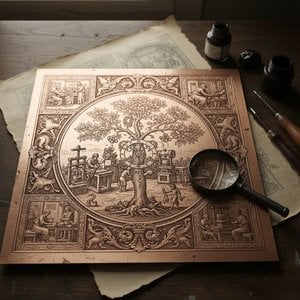
Explore the intricate world of etching and intaglio printmaking. Discover how masters use acid and metal to create profound textures and lines, from Romanticism to modern era, through an expert lens of art history and technical mastery.

 실제 크기로 보기
 보내기
보내기 공유하기
공유하기
 상세 보기
상세 보기 가이드 보기

 이미지 다운로드
 유사 작품 더 보기
 X-레이
X-레이 슬라이드 쇼 보기
 통계 정보
통계 정보

 상세 보기
상세 보기









 유리 옵션은 110cm 미만 크기에서만 선택 가능합니다.


