

빠른 제작과 다양한 마감 옵션을 선택할 수 있는 박물관 수준의 지클레이 및 캔버스 프린트. ( 수작업 채색 복제본 주문하기 디지털 이미지 판매 채널로 전환)





























작품의 원본 비율을 그대로 유지하는 프리셋 사이즈 중에서 선택해 보세요.

특정 프레임이나 공간에 맞춰 직접 치수를 입력하실 수 있습니다. 선택하신 사이즈가 원본 이미지의 비율과 일치하지 않을 경우, 작품을 크롭(자르기)하거나 이미지를 대칭 또는 단색 채우기로 확장하여 제작합니다. 제작 시작 전, 최종 확인을 위해 디지털 목업이 전송됩니다.
화면상의 미리보기는 실제 크롭이나 확장 상태를 반영하지 않으므로, 최종 구도는 오직 목업을 통해서만 정확하게 확인하실 수 있습니다.
맞춤 사이즈 제작도 가능하지만, 원본 비율을 유지하기 위해서는 사전 정의된 목록에서 치수를 선택하시는 것을 권장합니다.

Squelette regardant des chinoiseries
복제본 규격
In the quiet, monochrome depths of James Ensor’s "Squelette regardant des chinoiseries," we are invited into a space that feels simultaneously intimate and profoundly unsettling. Painted around 1908, this masterful composition transcends a mere depiction of a domestic interior to become a psychological landscape. At first glance, the viewer encounters a room furnished with the familiar comforts of a bourgeois home—a couch, a chair, and the silent companionship of two dogs. Yet, as the eye adjusts to the starkness of the scene, the presence of a skeletal figure emerges, gazing intently at decorative chinoiserie panels. This juxtaposition of the domestic and the macabre creates a tension that is quintessential to Ensor’s vision, forcing us to confront the inescapable reality of death amidst the fleeting beauty of worldly possessions.
The technique employed here is nothing short of hypnotic. Eschewing the vibrant palettes often associated with late 19th-century art, Ensor utilizes a bold black ink wash that lends the work an almost sculptural quality. The absence of color serves to amplify the emotional weight of the subject matter; without the distraction of hue, the viewer is left to navigate the textures of light and shadow. The artist’s hand is visible in the varying gradations of the wash, ranging from smooth, ghostly transitions to jagged, anxious lines that mirror the internal unrest of the scene. For the collector or designer, this piece offers a sophisticated monochromatic elegance, providing a focal point that commands attention through its depth and structural intensity rather than through overt ornamentation.
To understand the profound impact of this work, one must look toward the cultural ferment of the early 20th century. Ensor was working during an era of immense transition, where the fascination with Eastern aesthetics—specifically chinoiserie—acted as a decorative counterpoint to Western traditions. By placing a skeletal figure in contemplation of these exotic, delicate patterns, Ensor highlights a poignant dialogue between the permanent and the ephemeral. The chinoiserie represents the height of ornamental luxury and cultural curiosity, while the skeleton serves as a memento mori, a stark reminder that even the most exquisite human creations are subject to the passage of time.
This thematic duality makes the artwork an extraordinary choice for those looking to infuse a space with intellectual and emotional resonance. It is not merely a decoration but a conversation piece that explores themes of isolation, memory, and the gaze. The way the skeletal figure is positioned—centrally yet subtly off-kilter—suggests a world slightly out of balance, inviting the observer to reflect on their own relationship with the transient nature of life. Whether placed in a contemporary gallery setting or a classic study, this reproduction carries with it the heavy, beautiful shadows of Ensor’s Belgian heritage, offering a timeless window into the human condition.

James Sidney Edouard, Baron Ensor (Ostend, 13 April 1860 – 19 November 1949) was a Belgian painter and printmaker who stands as one of the most influential figures in the development of Expressionism and Surrealism. Born into an English father and Belgian mother amidst the vibrant atmosphere of Ostend’s annual Carnival—a formative experience that profoundly shaped his artistic vision—Ensor embarked on a lifelong journey to explore the darker recesses of human psychology and challenge conventional aesthetic standards.
From a young age, Ensor demonstrated an innate talent for drawing and painting, nurtured by local instructors and fueled by an unwavering fascination with observation. His formative years were spent studying at the College of the Blessed Virgin in Ostend, where he honed his skills alongside fellow artists like Fernand Khnopff and Theo Van Rysselberghe—artists who would later become associated with the influential *Les XX* group.
Ensor’s artistic trajectory took a decisive turn in the late 1880s as he abandoned academic realism for a bold embrace of grotesque expressionism. Influenced by Rembrandt, Francisco Goya, and Japanese woodcuts—artists who championed emotional intensity and unsettling imagery—he began to populate his canvases with disturbing tableaux featuring skeletons battling over a hanged man, masks embodying hidden identities, and allegorical figures confronting existential anxieties.
Among Ensor’s most celebrated works are *The Scandalized Masks* (1883), which captures the pervasive influence of disguise and social critique; *Skeletons Fighting over a Hanged Man* (1891), a haunting meditation on mortality and decay; and *Christ's Entry into Brussels* (1888–89)—a monumental painting that satirizes religious hypocrisy with unflinching boldness. Recurring throughout Ensor’s oeuvre are explorations of death, social injustice, psychological torment, and the boundless potential for imaginative distortion—themes that continue to resonate powerfully with audiences today.
James Ensor's uncompromising artistic vision irrevocably altered the course of modern art. Rejecting academic conventions and embracing subjective experience, he paved the way for subsequent generations of artists who dared to confront uncomfortable truths and challenge established norms. His pioneering use of grotesque imagery—coupled with his masterful manipulation of color and line—established a distinctive stylistic vocabulary that profoundly impacted Expressionist painters like Edvard Munch and Ernst Ludwig Kirchner—artists who similarly sought to convey inner turmoil and psychological complexity.

1860 - 1949 , 벨기에

Discover the raw emotion of Symbolic Expressionism. Our expert guide explores how masters like Munch use color and form to convey inner feelings, offering inspiration for collectors looking to bring powerful, soulful art into their modern homes.

제임스 애벗 맥닐 휘슬러의 최고 걸작 25선을 만나보세요. 야간 풍경부터 아랑미술관 소장품까지, 예술가의 삶과 작품 세계를 탐험합니다. 색채와 분위기가 완벽한 조화를 이루는 그림들을 WahooArt.com에서 감상하고 특별한 공간을 완성하세요.
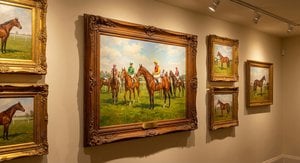
Explore 25 iconic Sir Alfred Munnings paintings! Discover the beauty of British Impressionism, equine art & rural England. Find museum-quality reproductions and elevate your home decor with WahooArt. Explore the full collection online.
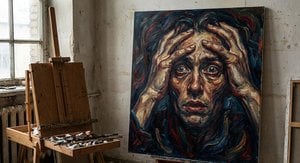
Explore the powerful world of Figurative Expressionism with WahooArt. Discover key artists like Kirchner & Beckmann, understand its emotional depth, and learn how to collect this influential 20th-century art movement.

Explore the unsettling yet captivating world of James Ensor, a pioneer of Expressionism. Discover his satirical masterpieces, symbolic imagery & lasting influence on modern art. High-quality reproductions available at WahooArt.

 실제 크기로 보기
 보내기
보내기 공유하기
공유하기
 상세 보기
상세 보기 가이드 보기

 이미지 다운로드
 유사 작품 더 보기
 X-레이
X-레이 슬라이드 쇼 보기
 통계 정보
통계 정보

 상세 보기
상세 보기









 유리 옵션은 110cm 미만 크기에서만 선택 가능합니다.


