무료 아트 컨설팅

x
프린트 구매하기 프린트 구매하기작품 구매하기 작품 구매하기 공유하기공유하기
상세 정보상세 정보 즐겨찾기에 추가 즐겨찾기에 추가 다운로드다운로드 유사 작품유사 작품 X-레이X-레이 슬라이드 쇼슬라이드 쇼

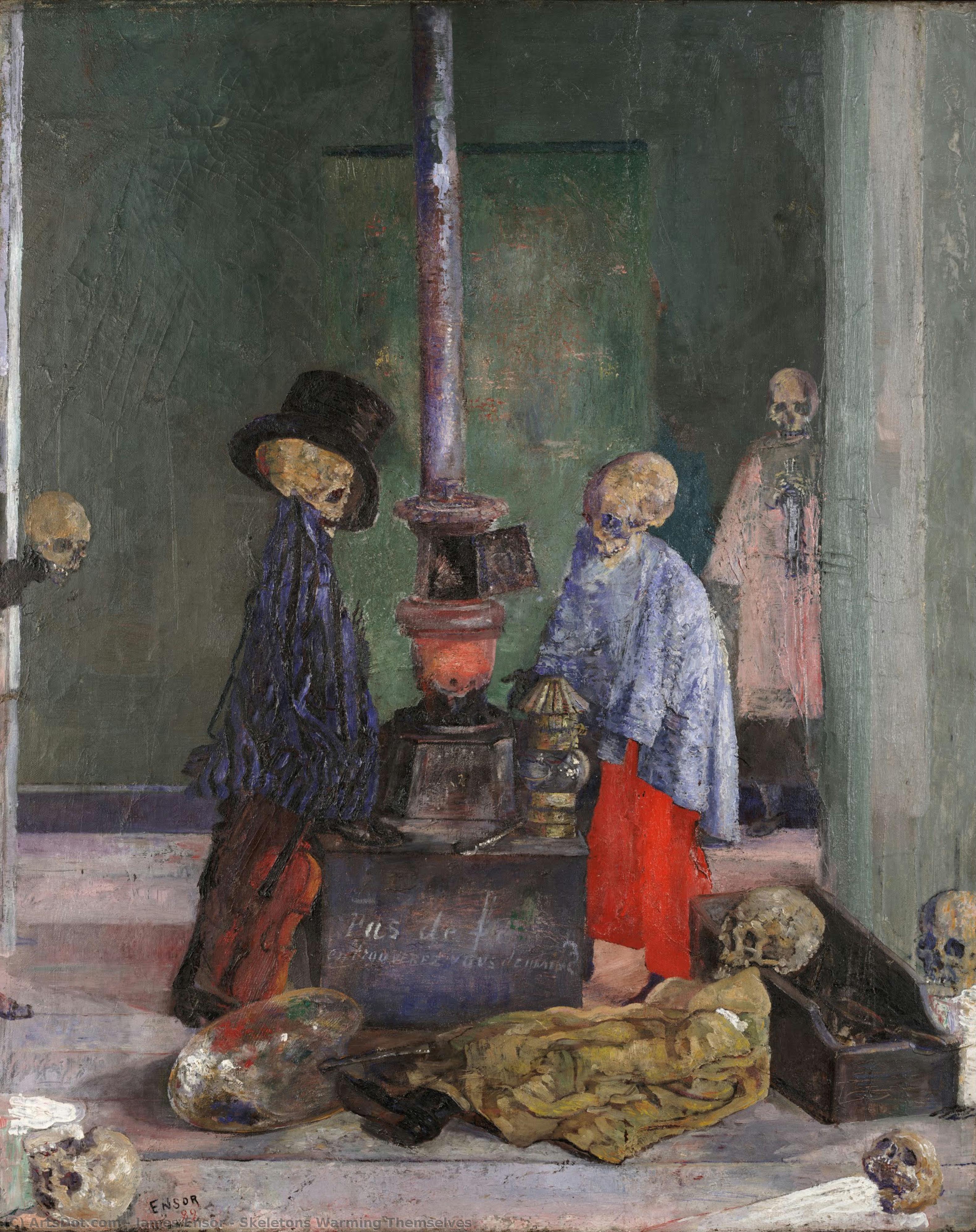
Skeletons Warming Themselves

James Ensor는 표현주의와 초현실주의의 선구자였으며 그의 기괴하고 충격적인 작품들로 유명합니다. 가면 예술과 종교적 비판을 통해 인간 본성의 어두운 측면을 탐구하는 그의 독특한 스타일은 미술사에서 중요한 위치를 차지합니다.

온라인 미리보기보다 훨씬 뛰어난 품질의 고해상도 디지털 이미지를 구매해 보세요.

각 파일은 사내 전문가가 고급 도구와 숙련된 수동 리터칭 기술을 사용하여 세심하게 준비합니다. 우리는 모든 이미지가 탁월한 선명도, 정확한 색상 재현력, 그리고 미세한 디테일까지 완벽하게 갖추도록 보장합니다.

최종 파일은 전문적인 편집 및 인쇄 환경에서 즉시 사용할 수 있도록 최적화되어 72시간 이내에 이메일로 발송됩니다. 이는 세계적인 디자인 스튜디오, 출판사 및 갤러리가 신뢰하는 것과 동일한 품질입니다.

디지털 이미지

개인 소장 및 전시, 인쇄, 창작 프로젝트를 위한 고해상도 파일을 다운로드하세요.

최종 결제 금액

$9.99

모든 디지털 이미지 주문에 포함된 혜택

전문적인 디지털 이미지 전송 보장

WahooArt.com를 선택하시면 단순히 이미지를 받는 것을 넘어, 정밀한 보정 과정을 거친 전문적인 디지털 예술 작품을 만나보실 수 있습니다. 모든 작품에는 만족 보장 서비스가 함께 제공되며, 주문 시 다음과 같은 사항들이 자동으로 포함됩니다:

shipping_icon
빠른 이메일 전송

주문 후 72시간 이내에 고해상도 디지털 이미지 파일이 이메일로 발송되며, 즉시 사용하실 수 있습니다.

canvas_icon
AI 기술로 향상된 디지털 파일

귀하의 작품은 고급 AI 도구와 수동 편집 과정을 거쳐 전문적으로 최적화되며, 이를 통해 디테일과 선명도, 색상의 정확도를 극대화합니다.

insurance_icon
평생 무료 재전송 서비스

파일을 실수로 삭제하거나 분실하셨나요? 걱정 마세요. 언제든 무료로 다시 보내드립니다.

tax_icon
추가 수입 비용 없음 - 언제나

관세나 부가세, 배송비 부담 없이 작품을 즉시 감상하세요 - 디지털 다운로드는 언제나 면세 혜택이 적용됩니다.

color_icon
정확한 색상 보장

전문적인 도구와 색상 관리 시스템을 통해 디지털 이미지가 원본의 색상을 최대한 정확하게 구현하도록 보장합니다.

return_icon
60일 만족 보장제

구매하신 디지털 이미지에 만족하지 못하실 경우, 60일 이내에 수정 또는 100% 환불을 진행해 드립니다 - 어떠한 문의도 필요 없습니다.

guarantee_icon
100% 환불 보장

만족하지 못하셨나요? 디지털 파일을 수령하신 후 60일 이내라면 별도의 이유를 밝힐 필요 없이 전액 환불해 드립니다.

discount_icon
대량 주문 할인

이미지 3매 구매 시 10% 할인 - 5매 구매 시 15% 할인 - 10매 이상 구매 시 20% 할인. 크리에이티브 프로젝트, 갤러리, 에이전시에 매우 유용합니다.

작품 정보 요약

  • Year: 1889
  • Notable elements: Masks, skeletons, stove
  • Medium: Oil on canvas
  • Artist: James Ensor
  • Subject or theme: Mortality, art's demise
  • Influences: Dance of Death
  • Artistic style: Macabre realism

예술 상식 퀴즈

각 질문의 정답은 하나뿐입니다.

질문 1:
What is the primary symbolic meaning suggested by the phrase ‘No fire. Will you find any tomorrow?’ in James Ensor’s *Skeletons Warming Themselves*?
질문 2:
The X-radiograph revealed what hidden image beneath James Ensor’s *Skeletons Warming Themselves*?
질문 3:
Considering the context of medieval and Renaissance print cycles, what is the likely allegorical purpose of depicting skeletons in *Skeletons Warming Themselves*?
질문 4:
What does the presence of a palette and brush alongside the skeletons suggest in *Skeletons Warming Themselves*?
질문 5:
James Ensor's upbringing in Ostend significantly influenced his art. What specific element of Ostendian history likely fueled his artistic vision?

수집품 상세 설명

A Haunting Still Life: James Ensor’s *Skeletons Warming Themselves*

James Ensor's 1889 painting, *Skeletons Warming Themselves*, isn’t merely a depiction of figures around a hearth; it’s a profoundly unsettling meditation on mortality, artistic endeavor, and the lingering echoes of history. Emerging from the artist’s uniquely layered background – his English father and Belgian mother, coupled with a childhood steeped in Ostend's macabre discoveries of skeletal remains – Ensor crafts an image that simultaneously invites contemplation and evokes a chilling unease. The painting possesses a remarkable duality: on one level, it presents a domestic scene, almost banal in its arrangement of skeletons, a palette, brushes, and a violin; yet, beneath this veneer lies a complex web of symbolism and historical reference that demands careful consideration.

The Palette of Decay and Creation

Ensor’s masterful manipulation of monochrome creates an atmosphere thick with melancholy. The stark black and white palette emphasizes the skeletal forms, lending them an almost porcelain quality while simultaneously highlighting their vulnerability. Notice how the artist subtly shifts tones – a slight darkening around the edges of the skeletons, suggesting age and decay, contrasts sharply with the brighter areas where they are clustered near the stove. This careful use of value is crucial to the painting’s impact, drawing the viewer's eye across the composition and reinforcing the central theme of transience. The inclusion of the palette and brush isn’t accidental; it directly references Ensor’s own artistic practice, suggesting a cycle of creation and destruction, life and death inextricably linked.

Echoes of Ostend and the Dance of Death

The setting itself is deeply rooted in Ensor's personal history. The stove, inscribed with “Pas de feu” (“No fire”) and followed by “en trouverez vous demain?” (“Will you find any tomorrow?”), immediately evokes a sense of abandonment and uncertainty. This cryptic message resonates with the historical context of Ostend, where human bones were routinely unearthed for centuries – remnants of past conflicts and a constant reminder of mortality. Furthermore, *Skeletons Warming Themselves* aligns itself with the tradition of the “Dance of Death” prints, popular during the medieval and Renaissance periods. These allegorical images frequently depicted skeletons as symbols of universal death, often engaging in satirical commentary on various professions and social classes. Ensor’s work subtly echoes this tradition, transforming the skeletal figures into a group engaged in quiet contemplation – perhaps even a shared ritual of remembrance.

A Hidden Portrait and the Artist's Struggle

Interestingly, X-radiographs revealed that *Skeletons Warming Themselves* was created over an earlier painting: a bust-length portrait of a young girl. This layering of images speaks volumes about Ensor’s artistic process and his personal circumstances at the time. The decision to rework an existing canvas suggests a period of economic hardship, a common struggle for many artists in late 19th-century Europe. It also hints at a possible desire to move beyond a previous work, perhaps seeking a new direction or grappling with unresolved emotions. The painting becomes not just a visual statement but a window into the artist’s creative journey and his internal landscape.

A hand-painted reproduction of *Skeletons Warming Themselves* offers a unique opportunity to bring this haunting masterpiece into your home. Its evocative imagery, rich symbolism, and historical depth will undoubtedly spark conversation and serve as a poignant reminder of the ephemeral nature of life itself. The meticulous detail captured in the reproduction allows you to appreciate Ensor’s masterful technique and his profound exploration of the human condition – a truly captivating addition to any art collection or interior design scheme.

유사한 작품들


작가 소개

James Ensor: A Pioneer of Expressionism and Surrealism

James Sidney Edouard, Baron Ensor (Ostend, 13 April 1860 – 19 November 1949) was a Belgian painter and printmaker who stands as one of the most influential figures in the development of Expressionism and Surrealism. Born into an English father and Belgian mother amidst the vibrant atmosphere of Ostend’s annual Carnival—a formative experience that profoundly shaped his artistic vision—Ensor embarked on a lifelong journey to explore the darker recesses of human psychology and challenge conventional aesthetic standards.

Early Influences and Artistic Training

From a young age, Ensor demonstrated an innate talent for drawing and painting, nurtured by local instructors and fueled by an unwavering fascination with observation. His formative years were spent studying at the College of the Blessed Virgin in Ostend, where he honed his skills alongside fellow artists like Fernand Khnopff and Theo Van Rysselberghe—artists who would later become associated with the influential *Les XX* group.

The Shift Towards Grotesque Expressionism

Ensor’s artistic trajectory took a decisive turn in the late 1880s as he abandoned academic realism for a bold embrace of grotesque expressionism. Influenced by Rembrandt, Francisco Goya, and Japanese woodcuts—artists who championed emotional intensity and unsettling imagery—he began to populate his canvases with disturbing tableaux featuring skeletons battling over a hanged man, masks embodying hidden identities, and allegorical figures confronting existential anxieties.

Key Masterpieces and Recurring Themes

Among Ensor’s most celebrated works are *The Scandalized Masks* (1883), which captures the pervasive influence of disguise and social critique; *Skeletons Fighting over a Hanged Man* (1891), a haunting meditation on mortality and decay; and *Christ's Entry into Brussels* (1888–89)—a monumental painting that satirizes religious hypocrisy with unflinching boldness. Recurring throughout Ensor’s oeuvre are explorations of death, social injustice, psychological torment, and the boundless potential for imaginative distortion—themes that continue to resonate powerfully with audiences today.

A Legacy Beyond Style: Influence on Modern Art

James Ensor's uncompromising artistic vision irrevocably altered the course of modern art. Rejecting academic conventions and embracing subjective experience, he paved the way for subsequent generations of artists who dared to confront uncomfortable truths and challenge established norms. His pioneering use of grotesque imagery—coupled with his masterful manipulation of color and line—established a distinctive stylistic vocabulary that profoundly impacted Expressionist painters like Edvard Munch and Ernst Ludwig Kirchner—artists who similarly sought to convey inner turmoil and psychological complexity.

제임스 엔서

제임스 엔서

1860 - 1949 , 벨기에

주요 정보

  • Artistic Movement Or Style: Expressionism 및 Surrealism
  • Artists Who Influenced This Artist:
    • 피터 브뤼겔 더 엘더
    • 프란시스코 고야
    • 윌스 스미스 휘슬러
  • Date Of Birth: April 13, 1860
  • Date Of Death: November 19, 1949
  • Full Name: James Sidney Edouard Ensor
  • Nationality: Belgian
  • Notable Artworks:
    • The Scandalized Masks
    • Skeletons Fighting...
    • Christ's Entry into Brussels
  • Place Of Birth: Ostend, Belgium